















What Is a Handle Vacuum Cup and How Does It Work?
Introduction
In the modern landscape of manufacturing and industrial applications, the Handle Vacuum Cup has emerged as a vital component in material handling systems. These tools are instrumental in the efficient movement and transportation of various materials, such as glass, metal, and wood. This article delves into the intricacies of Handle Vacuum Cups, explaining their working principles, components, types, applications, and the innovations that are shaping their future.
Components of a Handle Vacuum Cup
● Key Parts: Handle, Vacuum Pad, and Pump
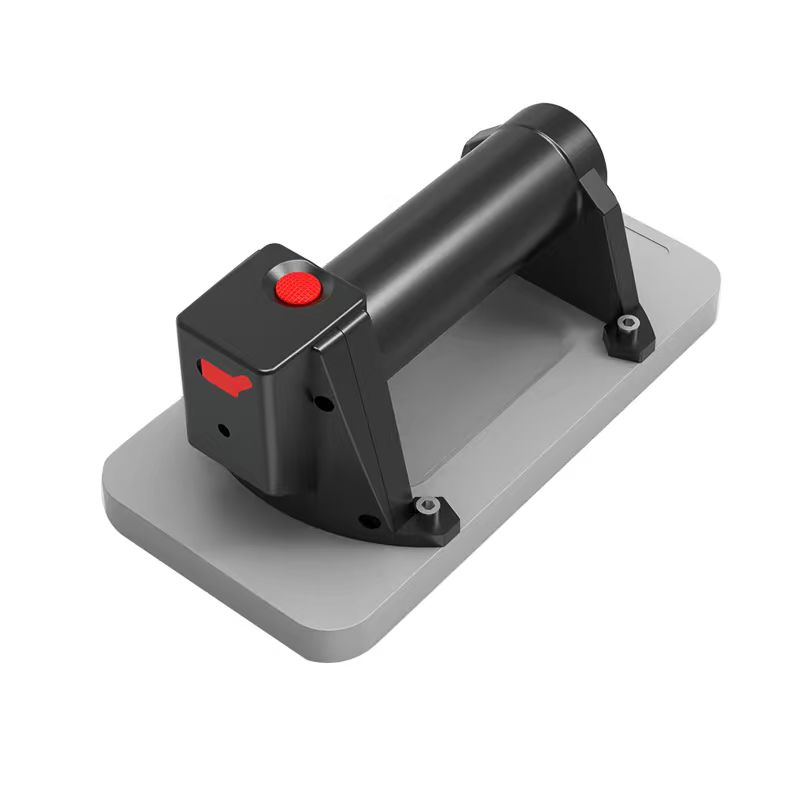
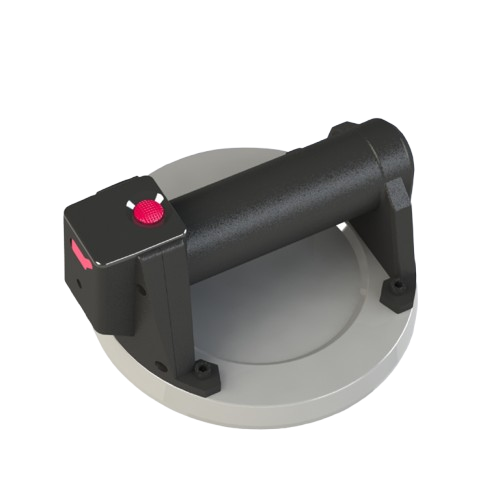
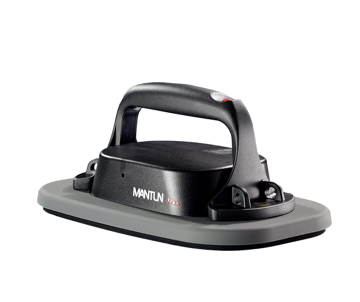
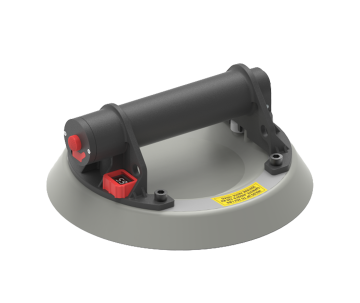
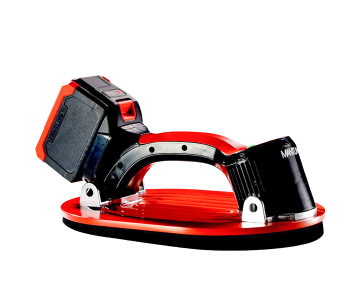
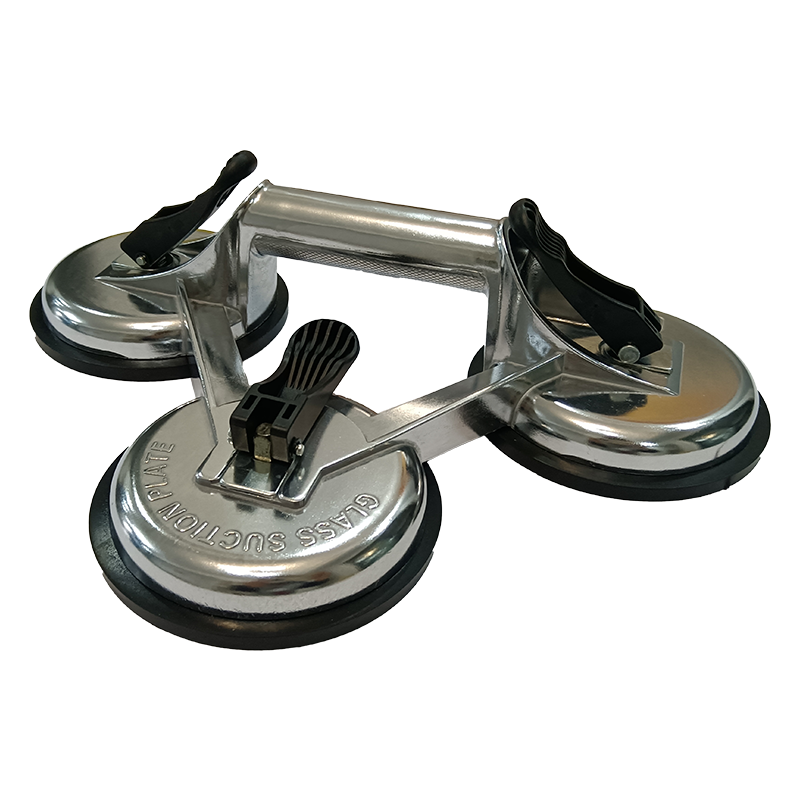
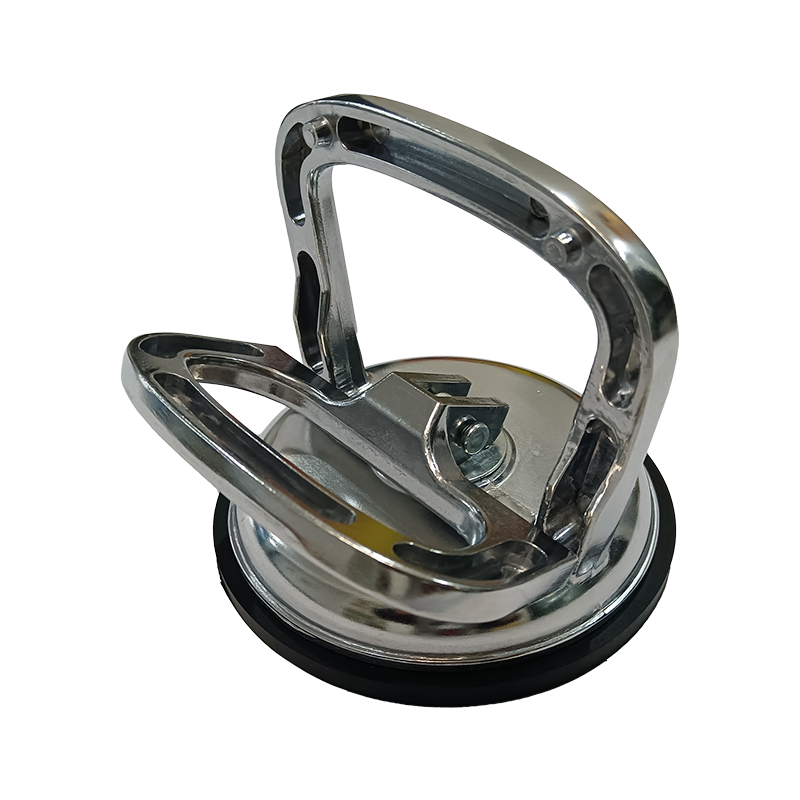
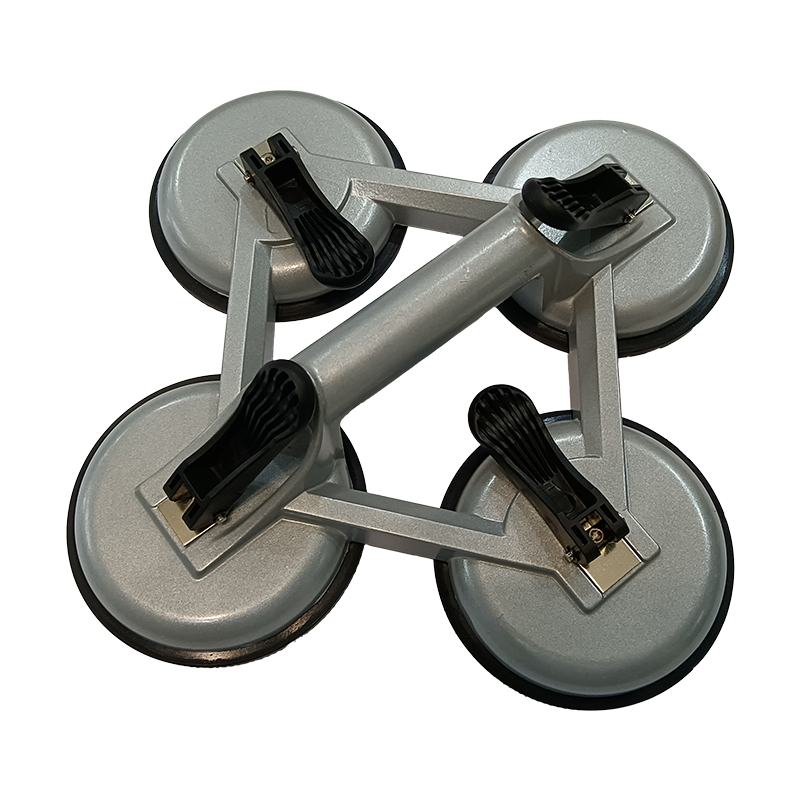
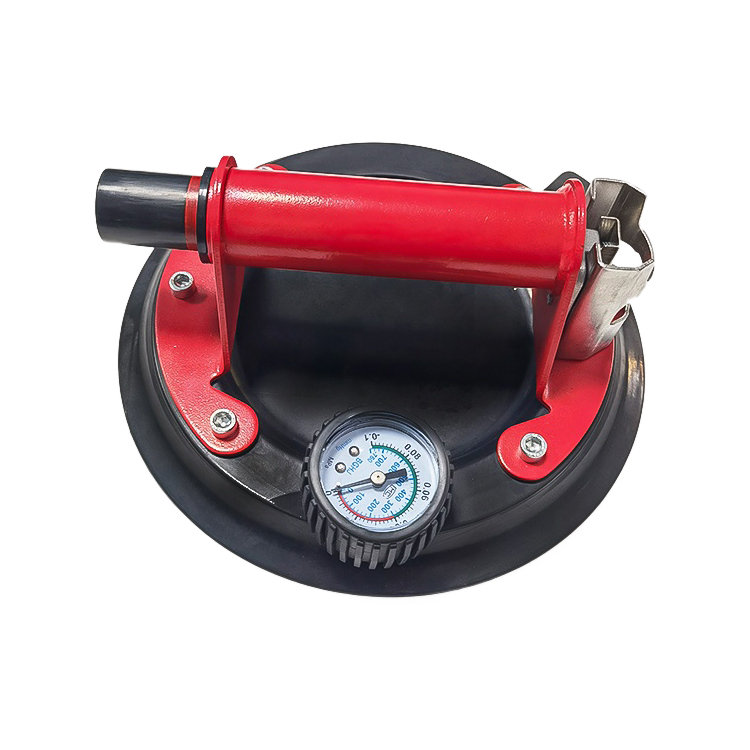
A Handle Vacuum Cup consists of several critical components that work in unison to provide effective material handling solutions. The primary parts include the handle, vacuum pad, and pump. The handle is designed ergonomically to ensure a comfortable grip, allowing operators to maneuver materials with ease. The vacuum pad, usually made from elastomeric materials, creates an airtight seal between the cup and the surface of the object. The pump, whether manual, electric, or pneumatic, generates the necessary vacuum pressure to maintain the seal.
● Materials Commonly Used in Construction
The materials used in constructing Handle Vacuum Cups are selected based on durability and efficiency. Typically, the vacuum pads are made from rubber or silicone, known for their flexibility and capacity to create airtight seals. The handles are often constructed from lightweight but sturdy materials like aluminum or reinforced plastics, ensuring durability while minimizing user fatigue.
How Handle Vacuum Cups Work
● Explanation of Atmospheric Pressure and Vacuum Seal
The fundamental principle behind the operation of Handle Vacuum Cups is the manipulation of atmospheric pressure. By creating a vacuum seal between the cup and the object's surface, these devices harness atmospheric pressure to secure the object. When the vacuum pad is placed on a surface, the air beneath it is evacuated, creating a low-pressure area. The higher atmospheric pressure outside then presses the pad against the surface, forming a secure seal.
● Sequential Operation Steps
The operation of a Handle Vacuum Cup typically involves a few straightforward steps. First, the handle is positioned, and the vacuum pad is placed against the object to be moved. The pump is then activated, evacuating air from beneath the pad to create a vacuum. This vacuum generates the force needed to lift and transport objects. Once the object is moved to the desired location, the vacuum is released, allowing the pad to detach smoothly.
Types of Handle Vacuum Cups
● Manual, Electric, and Pneumatic Vacuum Cups
Handle Vacuum Cups are available in various types to cater to different operational needs. Manual vacuum cups, as the name suggests, rely on manual pumps to create the vacuum. They are ideal for occasional use and handling lighter materials. Electric vacuum cups incorporate motorized pumps, providing consistent vacuum pressure and are suitable for frequent use. Pneumatic vacuum cups use compressed air to generate a vacuum, making them ideal for industrial settings where air supply is readily available.
● Specialized Designs for Specific Applications
There are also specialized Handle Vacuum Cups designed for specific applications. These include models with extended handles for reaching high places or those with adjustable vacuum pads to accommodate irregular surfaces. Such custom Handle Vacuum Cups are tailored to meet particular needs, ensuring efficiency and safety in unique handling scenarios.
Applications Across Different Industries
● Use in Manufacturing and Logistics
Handle Vacuum Cups are indispensable in the manufacturing sector, where they facilitate the seamless movement of raw materials and finished products. In logistics, they expedite the loading and unloading of goods, dramatically improving operational efficiency and reducing labor costs.
● Applications in Construction and Glass Handling
In the construction industry, Handle Vacuum Cups are crucial for the safe handling of heavy materials like stone and glass panes. These tools allow workers to maneuver these cumbersome items with precision, minimizing the risk of damage and injury.
Advantages of Using Handle Vacuum Cups
● Safety Benefits and Ergonomic Design
One of the primary advantages of Handle Vacuum Cups is the safety they offer. By reducing the need for manual lifting, these tools decrease the risk of ergonomic injuries among workers. Their ergonomic designs enhance user comfort, supporting prolonged usage without fatigue.
● Efficiency and Cost-Effectiveness
Handle Vacuum Cups increase operational efficiency by speeding up material handling processes. This efficiency translates directly into cost savings, as fewer resources are required to move materials swiftly and safely.
Limitations and Considerations
● Surface Compatibility and Environmental Conditions
While Handle Vacuum Cups offer numerous benefits, certain limitations must be considered. The effectiveness of a vacuum cup is heavily dependent on the surface conditions of the material being handled. Porous or rough surfaces may hinder the ability to create a secure vacuum seal. Moreover, environmental conditions like extreme temperatures can impact the performance of these tools.
● Load Capacity and Maintenance Requirements
Understanding the load capacity of a Handle Vacuum Cup is essential to ensuring safe operation. Overloading a vacuum cup beyond its specified capacity can lead to seal failure. Regular maintenance is also crucial to keeping the equipment in optimal working condition, requiring periodic inspection of seals and pumps.
Innovations in Handle Vacuum Cup Technology
● Recent Advancements and Emerging Technologies
The world of Handle Vacuum Cups is continuously evolving, with technological advancements driving new capabilities. Recent innovations include the integration of smart sensors that monitor vacuum pressure in real-time, providing alerts for maintenance needs or operational anomalies.
● Integration with Automation and Robotics
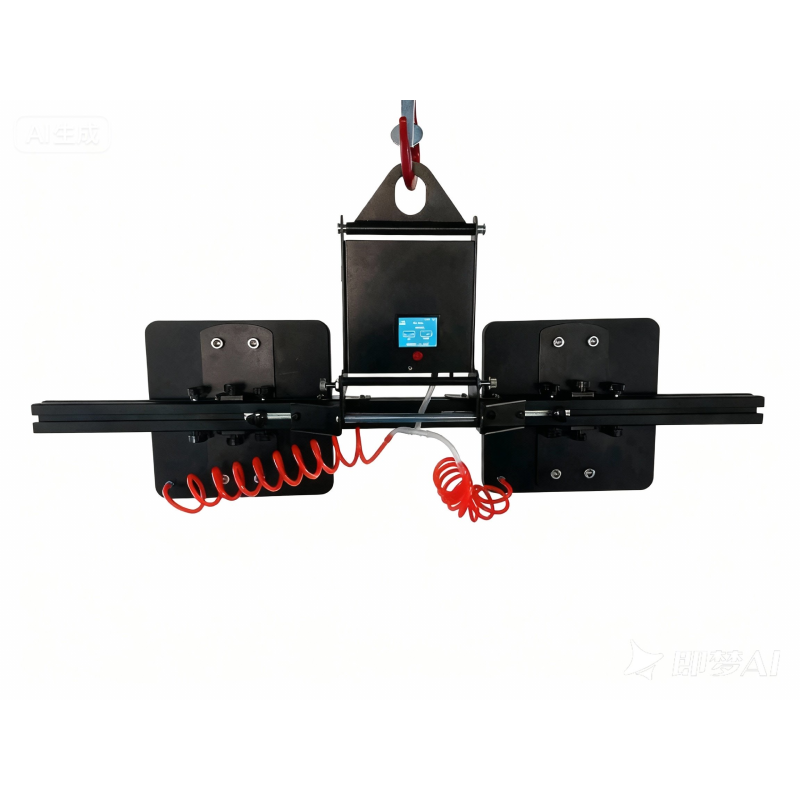
In the push toward automation, Handle Vacuum Cups are becoming increasingly integrated with robotic systems. This synergy enhances precision and repeatability in material handling tasks, optimizing workflows in automated environments.
Selecting the Right Vacuum Cup for Your Needs
● Factors to Consider: Size, Type, and Material
Choosing the right Handle Vacuum Cup involves considering several factors, including size, type, and material. The size of the vacuum pad must align with the surface area of the materials handled, while the type (manual, electric, or pneumatic) should match the operational setting.
● Customization Options and Supplier Recommendations
For specialized needs, custom Handle Vacuum Cups can be designed to meet unique requirements. Working with a reputable handle vacuum cup manufacturer or a trusted handle vacuum cup supplier ensures access to high-quality products and expert guidance.
Maintenance and Safety Tips
● Regular Inspection and Maintenance Practices
Maintaining Handle Vacuum Cups involves regular inspection to check seals, handles, and pumps for wear and tear. Routine maintenance ensures consistent performance and extends the lifespan of the equipment.
● Safety Protocols and User Guidelines
Adhering to safety protocols is vital for preventing accidents during the operation of Handle Vacuum Cups. Operators should be trained in proper handling techniques, and clear guidelines should be followed to avoid overloading and ensure the reliability of the vacuum seals.
Conclusion
Handle Vacuum Cups play a crucial role in modern material handling, offering versatile solutions across industries. By understanding their components, operation, and applications, businesses can optimize their use for maximum efficiency and safety.
● Fuyang Yigao Trading
Fuyang Yigao Trading stands as an innovative enterprise dedicated to the research and development of engineering machinery, vacuum machinery tools, and building materials and decoration tools. With a vision to make the world embrace Chinese smart manufacturing, their products, including the renowned electric vacuum suction cups YG1689 and YG2003, are highly regarded globally. These products are trusted for their performance and quality in diverse regions, including Europe, the United States, Canada, Japan, and South Korea.
Post time: 03-03-2025