















What are the different types of vacuum lifters?
Vacuum Lifters are indispensable tools in many industrial sectors, enabling the efficient handling of a variety of heavy materials and objects. From construction sites to manufacturing plants, these devices simplify material handling, ensure safety, and improve operational efficiency. In this comprehensive article, we explore the different types of vacuum lifters available, their unique features, applications, and the innovations that continue to drive the industry forward.
Introduction to Vacuum Lifters
● Overview of Vacuum Lifters
Vacuum lifters are mechanical devices that use the power of vacuum to lift heavy objects without the need for direct manual labor. These tools are integral to industries where the movement of large, heavy, or delicate items is routine, such as construction, manufacturing, and logistics. By employing a vacuum to create a pressure differential, these lifters grip items securely, enabling swift and safe transfers.
● Importance in Industrial Applications
The importance of vacuum lifters in industrial applications cannot be overstated. They not only enhance productivity but also significantly contribute to workplace safety by reducing manual handling-related injuries. Their precision and ease of use minimize the risk of damage to delicate materials while maximizing operational efficiency. Vacuum lifter manufacturers, custom vacuum lifter designers, and vacuum lifter suppliers are continuously innovating to meet industry demands for safer and more efficient lifting solutions.
Heavy-Duty Vacuum Lifters Explained
● Features of Heavy-Duty Lifters
Heavy-duty vacuum lifters are designed to handle the most challenging lifting tasks. These robust devices are equipped with powerful suction systems and sturdy construction to manage extremely heavy loads, often exceeding several tons. Key features of these lifters include high-capacity vacuum pumps, reinforced suction pads, and advanced safety mechanisms to ensure a secure grip even in demanding conditions.
● Applications in Construction and Manufacturing
In construction and manufacturing, heavy-duty vacuum lifters are invaluable. They facilitate the transportation of large panels, metal sheets, and other substantial components with ease and precision. Custom vacuum lifters are often required to meet the specific needs of these industries, where the size and weight of materials can vary significantly. Vacuum lifter factories collaborate closely with end-users to design and manufacture lifters that offer the perfect balance of strength, stability, and customization.
Vertical-Horizontal Vacuum Lifters
● Dual Functionality Overview
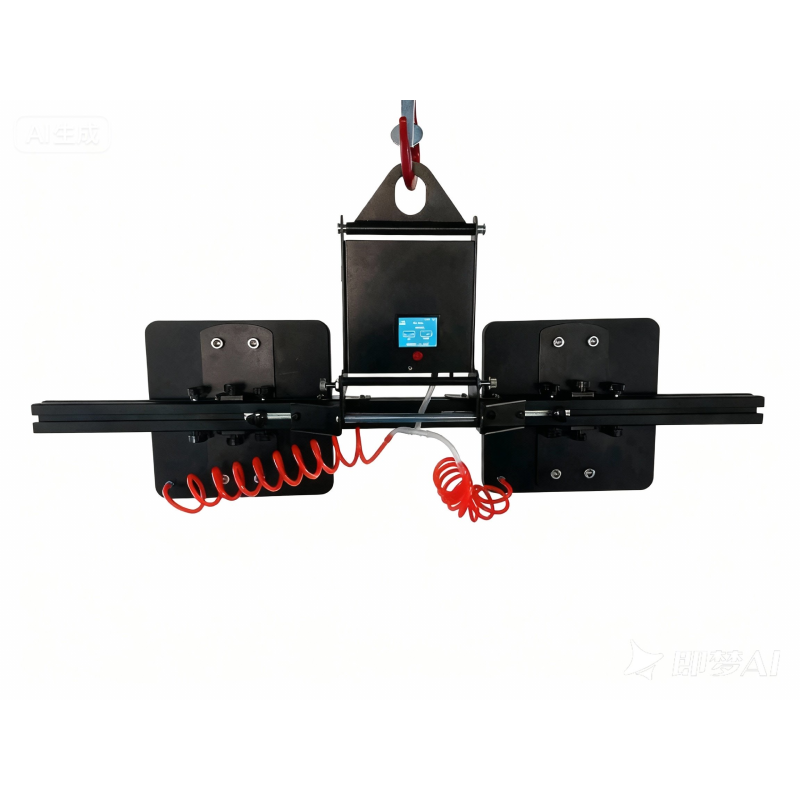
Vertical-horizontal vacuum lifters offer dual functionality, enhancing their versatility in material handling operations. These lifters can rotate objects from a horizontal to a vertical position and vice versa, allowing for flexible handling solutions in environments where space is constrained or angles vary. This ability to maneuver objects in multiple orientations is crucial in industries like glass manufacturing, where panels need precise positioning.
● Versatility in Different Orientations
The versatility of vertical-horizontal vacuum lifters makes them a preferred choice for tasks requiring dexterity and precision. They are particularly useful in automated assembly lines, where the seamless transition between vertical and horizontal orientations can enhance the efficiency of the production process. Vacuum lifter suppliers often offer a range of options to accommodate the unique requirements of different work environments, ensuring optimal performance and adaptability.
Coil Lifters and Their Uses
● Specialized for Handling Coils
Coil lifters are specially designed to handle coils—cylindrical rolls of material commonly found in steel production and textile industries. These lifters are equipped with specialized suction pads that conform to the unique shape of coils, providing a secure hold that minimizes the risk of slippage or damage. This specialization ensures that coils are moved with precision and care, maintaining the integrity of the material.
● Common Industries Using Coil Lifters
Coil lifters are prominently used in industries where the handling of rolled materials is a daily necessity. Steel mills, paper production facilities, and textile factories rely heavily on these lifters to streamline their operations. The ability to move coils efficiently and safely is essential in these sectors, where material handling speed can significantly impact production timelines and costs. Many manufacturers create custom vacuum lifters tailored to the specific dimensions and weights of the coils they manage.
Battery-Powered Vacuum Lifters
● Benefits of Battery Power
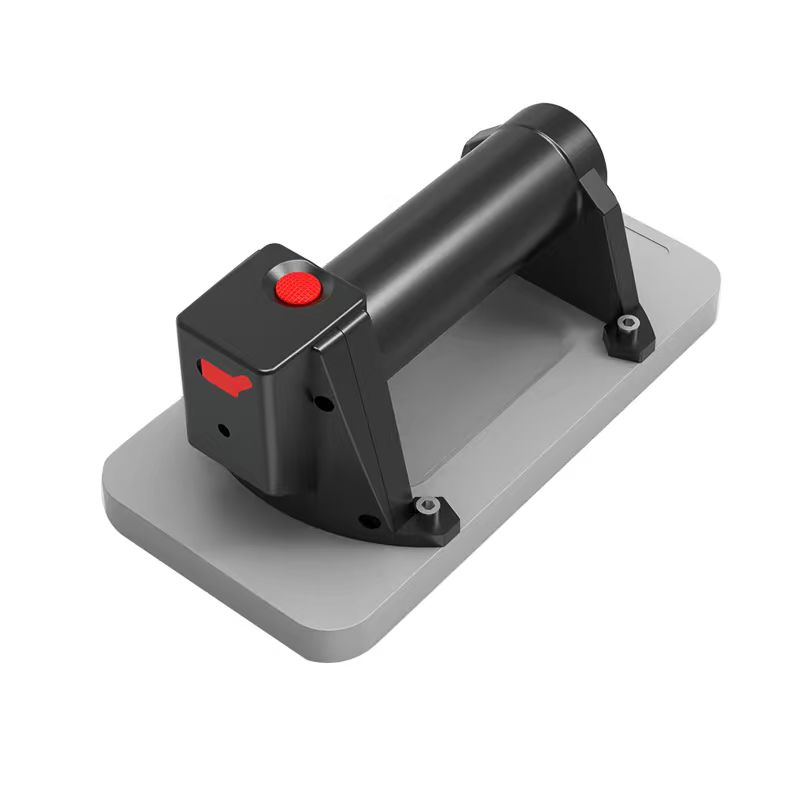
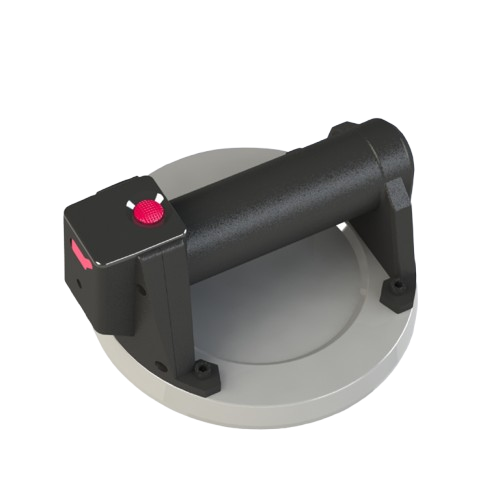
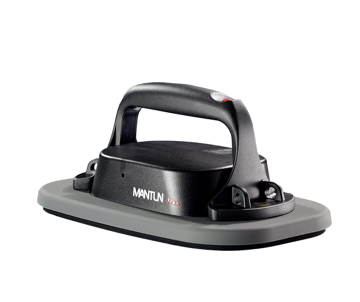
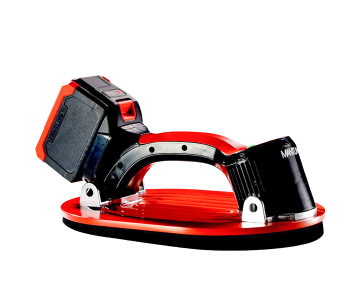
Battery-powered vacuum lifters bring mobility and convenience to material handling tasks. Unlike traditional lifters that require a constant power supply, these devices operate independently, making them ideal for locations where electricity may not be readily available. The integration of battery power allows for greater flexibility and use in remote or outdoor environments.
● Mobility and Convenience Features
The mobility offered by battery-powered vacuum lifters is complemented by features designed to enhance usability. These lifters are typically lightweight and equipped with easy-to-use controls, making them accessible for operators of various skill levels. Additionally, their portability reduces setup time and allows for quick transitions between tasks, thereby increasing productivity. Vacuum lifter manufacturers focus on developing battery solutions that offer longevity and reliable performance, ensuring that these lifters meet the demands of continuous use.
Vacuum Lifters with Mobile Attachments
● Enhancing Mobility in Lifting
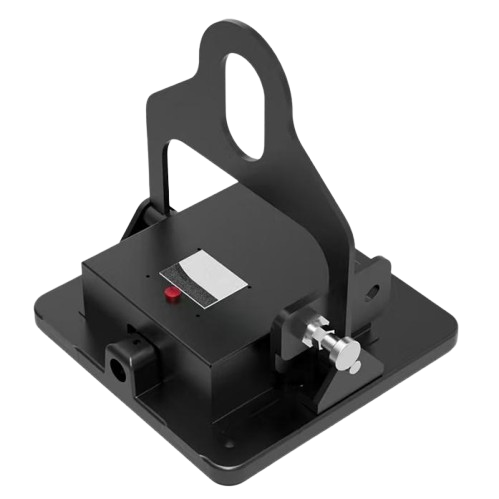
Vacuum lifters with mobile attachments provide an extra dimension of flexibility in material handling. These attachments can be integrated into existing lift systems, allowing for movement across a facility without the need for fixed installation points. This mobility is particularly beneficial in large-scale operations where materials need to be transferred between various stages of production seamlessly.
● Types of Mobile Attachments Available
Mobile attachments for vacuum lifters are diverse, ranging from wheeled carts to track systems that accommodate specific operational needs. Each type of attachment provides unique benefits, such as improved reach or enhanced maneuverability in confined spaces. Vacuum lifter factories often offer a variety of mobile attachment options, enabling businesses to choose solutions that optimize their workflows and align with their operational goals.
Materials and Design of Vacuum Lifters
● Components of Vacuum Lifters
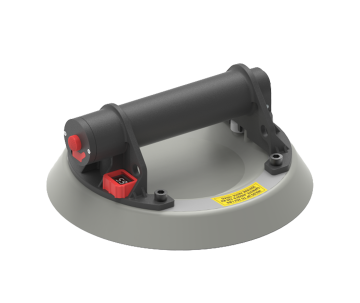
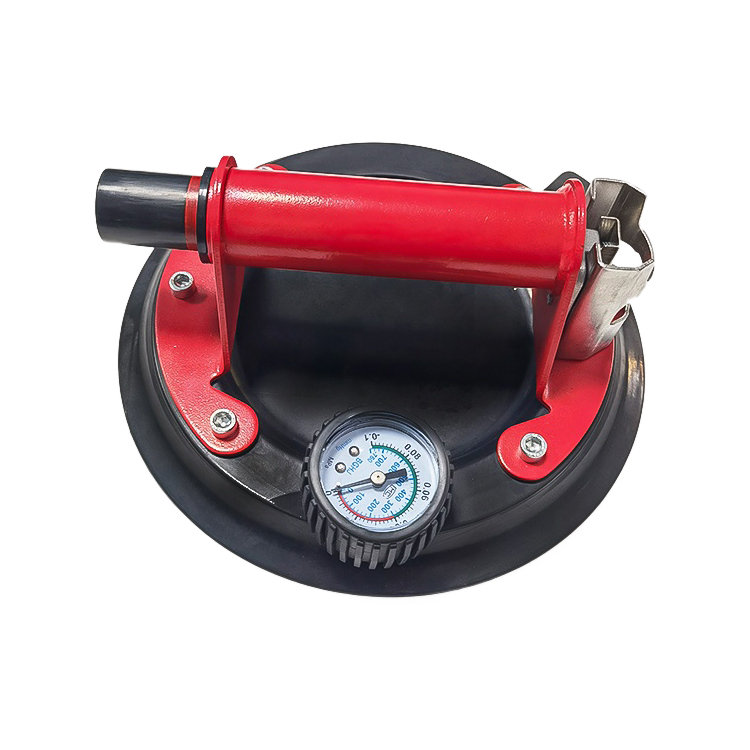
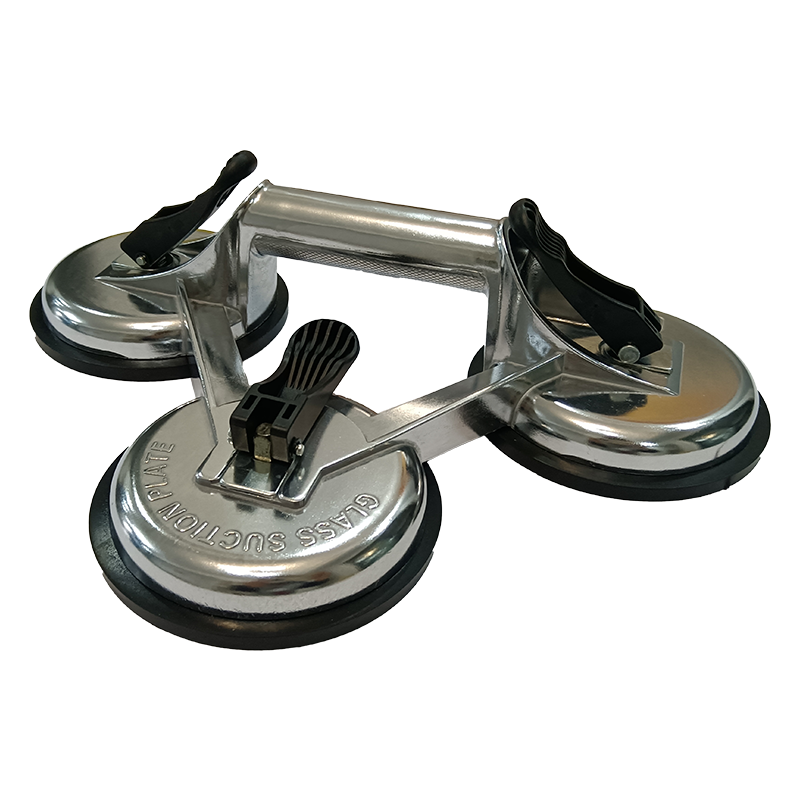
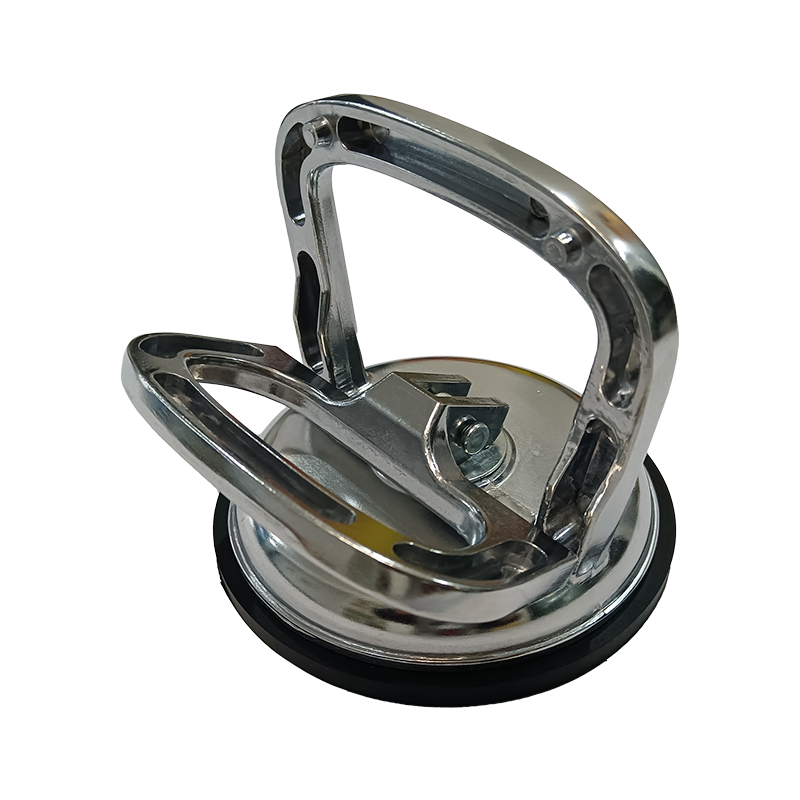
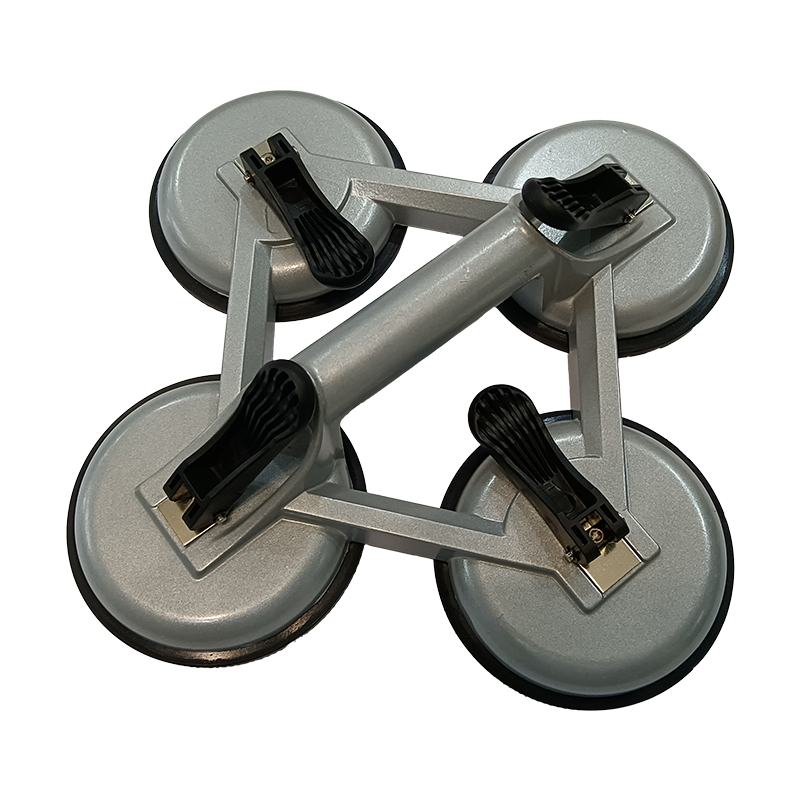
The design and construction of vacuum lifters play a crucial role in their performance and reliability. Key components include the suction pads, vacuum pumps, hoses, and control systems. Each component must be precisely engineered to ensure that the lifter can handle specified weight limits while maintaining stability and ease of use.
● Material Choices for Durability
Materials used in the construction of vacuum lifters significantly affect their durability and longevity. High-quality metals, such as steel and aluminum, are commonly used for structural components, providing the necessary strength to withstand heavy loads. The suction pads, often made from rubber or other flexible materials, must be resilient enough to handle repeated use without losing their grip. Vacuum lifter suppliers prioritize material quality in their manufacturing processes, ensuring that their products meet high-performance standards.
Safety Features in Modern Vacuum Lifters
● Essential Safety Features
Ensuring user safety is paramount in the design of vacuum lifters. Modern lifters are equipped with a range of safety features, such as automatic shut-off systems that engage in the event of a power failure, redundant vacuum chambers that maintain grip during primary system failures, and alarm systems that alert operators to potential issues. These features are critical for preventing accidents and ensuring the safe operation of the equipment.
● Compliance with Industry Standards
Vacuum lifter manufacturers must adhere to stringent industry standards to ensure their products are safe and reliable. Compliance with these standards includes regular testing and quality assurance measures that guarantee each lifter meets specified performance and safety criteria. Through continuous innovation and adherence to regulatory requirements, manufacturers can offer products that users can trust in demanding environments.
Comparison: Manual vs. Automatic Vacuum Lifters
● Pros and Cons of Manual Systems
Manual vacuum lifters are valued for their simplicity and cost-effectiveness. These systems rely on manual operation, which can be advantageous in environments where precision and control are critical. However, they require more physical effort and can be less efficient for high-volume tasks. Manual systems are often used in smaller operations or where budget constraints limit the adoption of automated solutions.
● Advancements in Automatic Lifters
Automatic vacuum lifters represent the pinnacle of modern lifting technology, offering unparalleled efficiency and ease of use. These systems can be programmed to handle repetitive tasks with consistent precision, reducing labor costs and minimizing the risk of manual handling errors. While automatic lifters require a higher initial investment, their long-term benefits in productivity and safety often justify the expense. Vacuum lifter factories continually develop new technologies to enhance the capabilities of automatic systems, making them increasingly accessible to a broader range of industries.
Future Trends in Vacuum Lifting Technology
● Innovations and Emerging Technologies
The future of vacuum lifting technology is bright, with ongoing innovations poised to further transform the industry. Advances in materials science, automation, and control systems are driving the development of more sophisticated and capable lifters. Emerging technologies, such as IoT integration and machine learning, promise to enhance the functionality and adaptability of vacuum lifters, enabling them to operate more efficiently in dynamic industrial environments.
● Predictions for Industry Advancements
As the demand for safer and more efficient material handling solutions grows, the vacuum lifting industry will continue to evolve. Custom vacuum lifters tailored to specific applications will become more prevalent, allowing businesses to optimize their processes and achieve greater operational efficiency. Companies like Fuyang Yigao Trading are at the forefront of these advancements, leveraging their expertise and innovative spirit to shape the future of vacuum lifting technology.
Conclusion
Vacuum lifters are essential tools that have revolutionized material handling across various industries. By understanding the different types of vacuum lifters available, businesses can select the appropriate equipment to enhance their operations, improve safety, and increase efficiency. As we look to the future, the ongoing advancements in vacuum lifter technology promise to deliver even greater benefits to the industries they serve.
Fuyang Yigao Trading is an innovative enterprise dedicated to the research and development of engineering machinery, vacuum machinery tools, and building materials and decoration tools. As a leader in the industry, they strive to create products with market value and core competitiveness, making the world appreciate Chinese smart manufacturing. Their products, including the popular YG1689 and YG2003 electric vacuum suction cups, are recognized worldwide for their excellent performance and reliability, gaining trust and support from customers in Europe, America, and Asia.

Post time: 11-22-2024