













How to Avoid Damage to Glass When Using Suction Cup Lifters
Worried your shiny new glass will meet a dramatic, shattering end the moment you lift it with suction cups? You’re not alone—many installers secretly fear becoming “that person” who dropped the panel.
You can avoid cracks and chips by choosing the right suction lifters, cleaning surfaces properly, and following tested load limits, as recommended in this safety guide from the Health and Safety Executive: HSE Glass Handling Report.
🛡️ Inspecting Glass and Suction Cups Before Every Lifting Operation
Careful inspection before lifting helps avoid cracks, chips, or sudden glass failure. Check both the glass and suction cup lifters so they stay safe, clean, and reliable.
Use a short visual check, plus a quick touch test, before every lift. This habit reduces risk and saves costly glass replacement on busy sites.
1. Inspecting Glass for Scratches, Cracks, and Edge Damage
Look closely along the glass edges and corners. Even tiny chips or hairline cracks can spread under load when suction pressure and movement add stress.
- Check edges and corners under good light
- Reject glass with visible chips or cracks
- Avoid lifting near drilled holes or cut‑outs
2. Checking Suction Cup Rubber Pads
Damaged pads lose grip and can mark glass. Run your fingers across the surface to feel for cuts, rough spots, or hard, aged rubber.
- Look for cuts, dents, or flat spots
- Press rubber; it should feel elastic, not hard
- Replace pads that show deep wear or aging
3. Confirming Handles, Frames, and Locks
Check that all handles and frames are tight. Loose bolts or bent arms can twist under load and place stress on glass surface and edges.
| Part | Check |
|---|---|
| Handle | No wobble; locks engage firmly |
| Frame | No bends, cracks, or rust |
| Bolts | Properly tightened before lifting |
4. Testing Vacuum or Locking Action
Before moving heavy glass, test the suction or pump. Lifters should reach full vacuum quickly and hold for several minutes without slipping.
- Pump or press until full vacuum is reached
- Wait and check for any movement or loss
- Never lift if vacuum gauge drops or feels weak
🧼 Proper Cleaning Techniques for Glass Surfaces and Suction Cup Pads
Clean contact surfaces give stronger suction and lower break risk. Dust, oil, or dried mortar can create gaps that lead to sudden glass slips.
Use gentle cleaners and soft materials, not harsh pads. Proper cleaning protects both the glass surface and the rubber pads for long‑term use.
1. Cleaning Glass Before Attaching Suction Cups
Remove dust, grease, and fingerprints from the glass area where cups will sit. A clean, dry zone ensures stable vacuum and reduces sliding.
- Use mild glass cleaner or diluted soap
- Wipe with lint‑free cloth or microfiber
- Let glass dry fully before attaching cups
2. Cleaning Rubber Pads Safely
Clean pads gently to avoid scratches. Never use sharp tools. Light soap and water usually remove job‑site dirt without harming the rubber.
- Rinse with warm water and mild soap
- Wipe with a soft cloth; avoid rough brushes
- Air‑dry; do not use direct heat or sun
3. Avoiding Chemicals That Damage Rubber
Strong chemicals can harden, crack, or swell suction rubber and reduce grip. Always follow maker guidance about safe cleaners and solvents.
| Chemical Type | Effect on Pads |
|---|---|
| Solvent (acetone) | Dries and cracks rubber |
| Strong alkali | Surface swelling, soft spots |
| Mild soap | Generally safe when rinsed |
4. Data: How Cleaning Affects Holding Power
Regular cleaning can greatly improve suction performance. The chart below compares average holding force for dirty versus clean pads on similar glass.
📏 Choosing Correct Suction Cup Size and Load Capacity from Fuyang Yigao Trading
Match suction cup size and rated load with glass size and weight. Correct selection helps prevent overloading and hidden stress in the panel.
Fuyang Yigao Trading offers different lifter designs so you can choose tools that fit flat glass, tiles, or stone, and keep lifts safe and efficient.
1. Matching Cup Size to Glass Dimensions
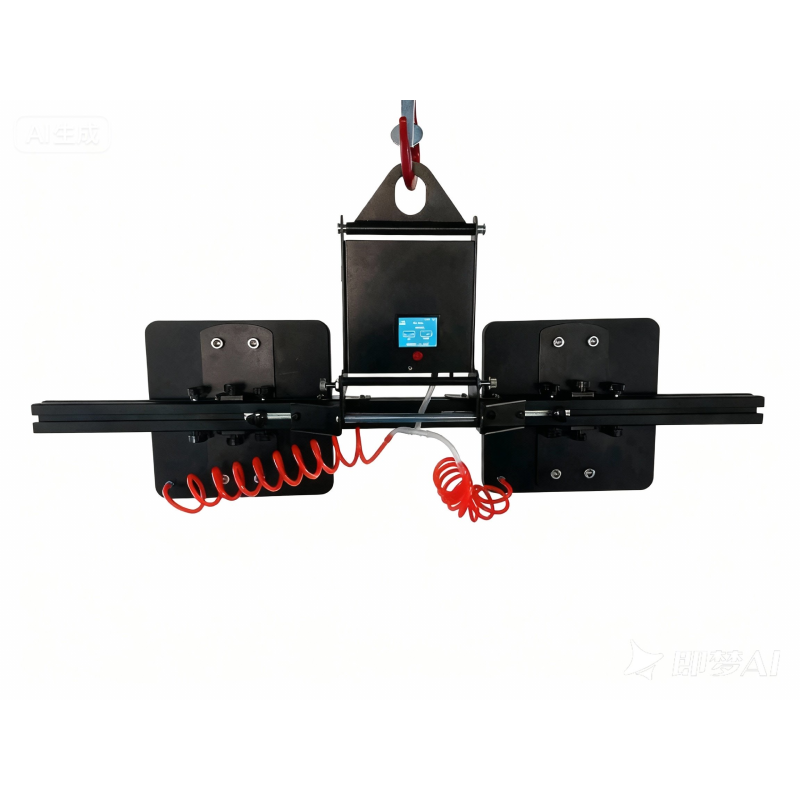
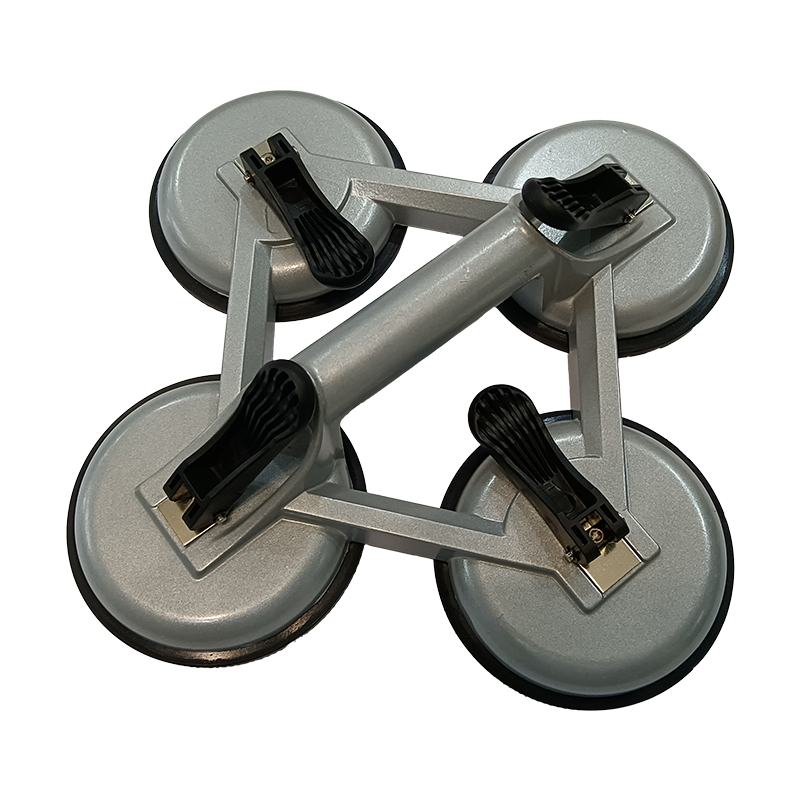
Larger glass needs more contact area. Use multi‑pad tools like the Powder Coated Aluminum Glass Holding Tool Lifter Suction Cup With Four Rubber Pad Aluminum Alloy Suction Lifter Cup for big sheets.
- Measure glass height and width
- Use extra pads for wide panels
- Keep lifters away from edges and corners
2. Checking Rated Load vs. Glass Weight
Always compare lifter rating with real glass weight. Add a safety factor so the tool never runs near its maximum load in daily work.
| Glass Weight | Minimum Rated Load |
|---|---|
| 50 kg | ≥ 75 kg |
| 80 kg | ≥ 120 kg |
3. Selecting the Right Tool Type
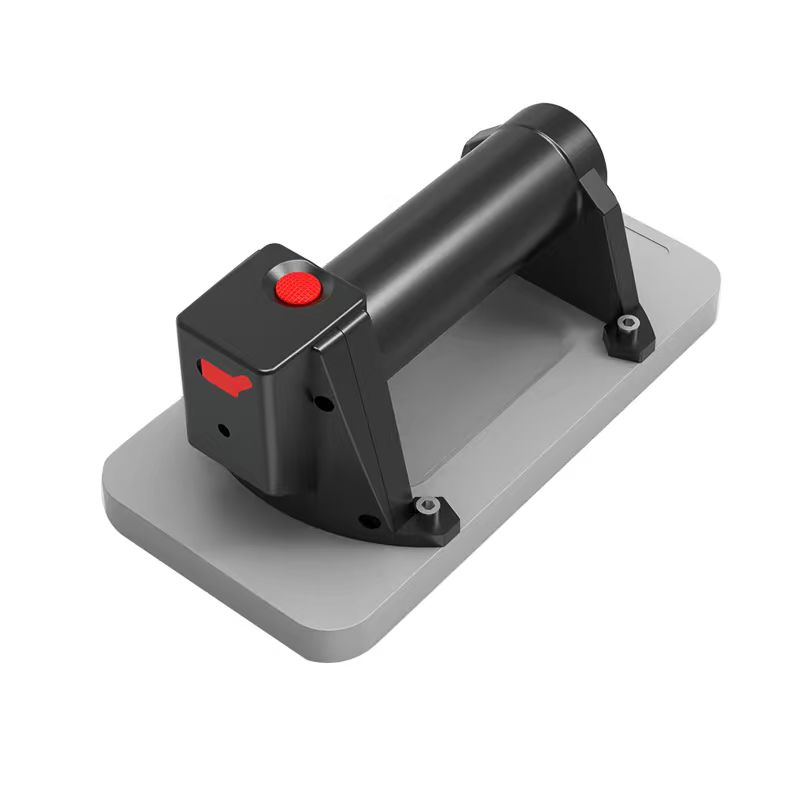
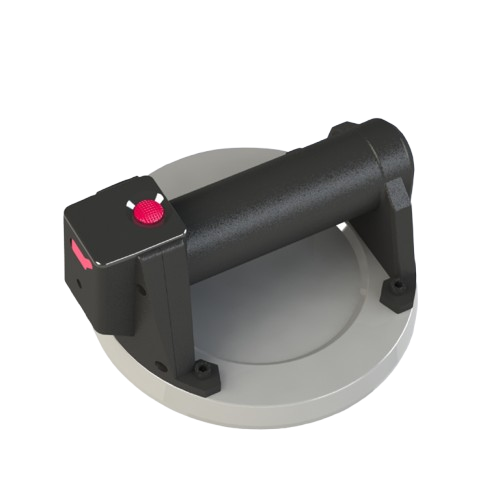
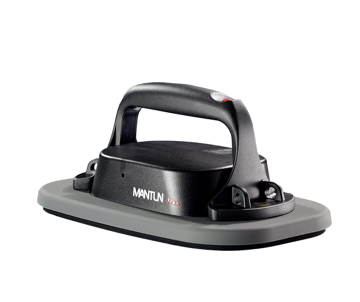
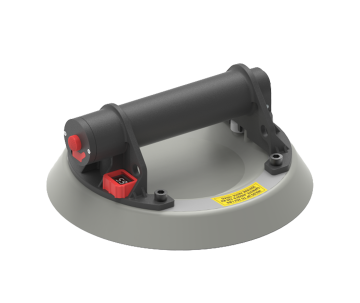
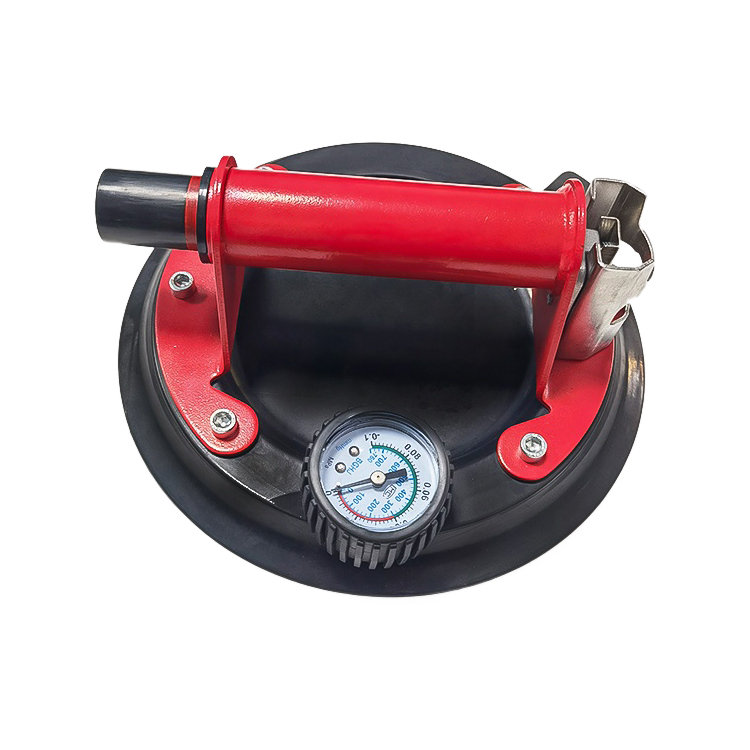
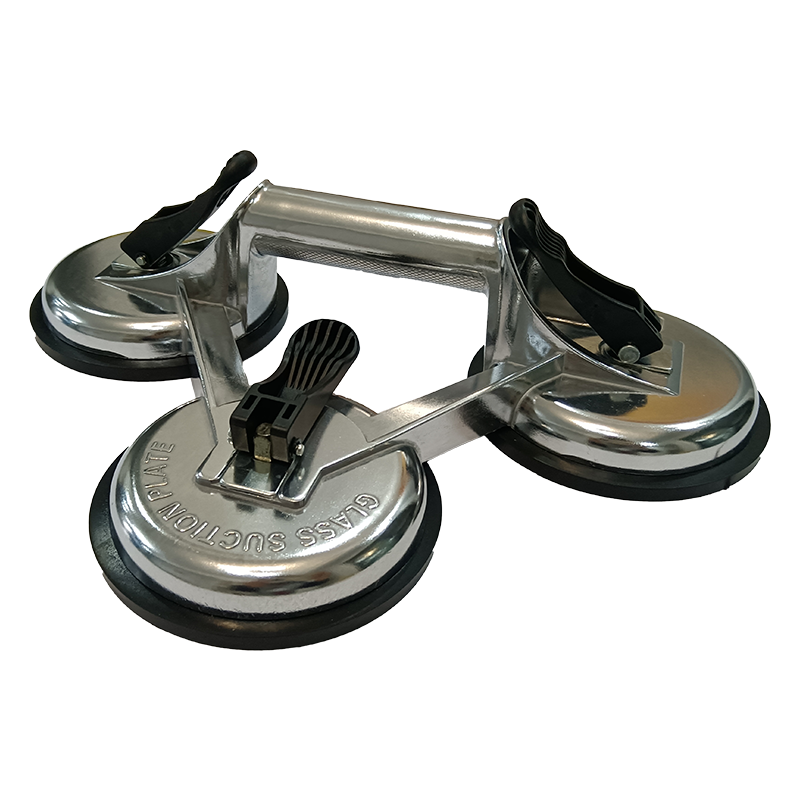
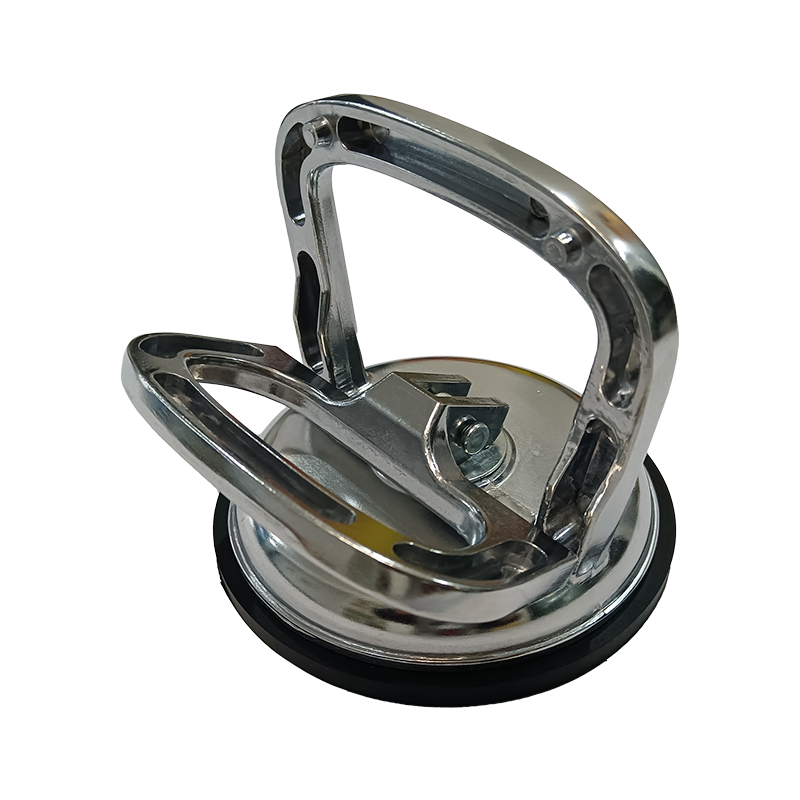
Single‑pad lifters, such as the Glass Vacuum Suction Cup Suction Cup Fixed Single Claw Heavy Duty Industrial Aluminum Alloy Tile Suction Cup, suit smaller glass or tile. For large glass, consider a pump‑active tool like the Silicone Suction Cup To Lift Large Glass, Marble, Tiles, Pump Active Vacuum For Heavy Lifting Glass Vacuum Silicone Sucker.
✋ Correct Lifting Angles, Movements, and Handling Practices to Prevent Cracks
Gentle, controlled movements protect glass from sudden stress. Plan lifting angles and travel routes so the panel stays stable and supported.
Train all workers to move slowly, avoid twisting, and communicate clearly when turning or setting down large panes on site.
1. Keeping the Glass Vertical and Balanced
Lift glass in a near‑vertical position to cut bending stress. Use enough lifters so the weight spreads evenly across the panel surface.
- Avoid flat, horizontal lifts for large panes
- Center lifters along the glass width
- Use two or more workers for long glass
2. Avoiding Sudden Jerks and Twists
Fast jerks can crack edges or break suction. Start and stop movements smoothly, and avoid sharp turns while the glass is in the air.
- Count down before lifting together
- Walk slowly and watch floor hazards
- Do not drag glass across rough edges
3. Safe Setting‑Down Practices
Support the bottom edge first, then guide the top. Release suction only after the glass rests fully on a padded and stable surface.
| Step | Action |
|---|---|
| 1 | Position padded blocks or rails |
| 2 | Lower edge slowly onto padding |
| 3 | Hold panel until fully stable |
🔧 Regular Maintenance, Storage, and Replacement of Worn Suction Cup Lifters
Consistent maintenance keeps suction lifters safe and strong. Regular checks, cleaning, and proper storage cut the risk of sudden failures on the job.
Replace worn tools on time and record inspection dates. This simple routine supports safer glass handling and longer tool life.
1. Scheduled Maintenance Checks
Set a simple routine: inspect seals, handles, and frames weekly, and test vacuum holding power on a clean sample glass panel.
- Weekly visual inspection
- Monthly holding‑time test
- Yearly full condition review
2. Correct Storage Conditions
Store lifters in a dry, cool place away from direct sun and sharp objects. Hang or place them so pads do not deform.
| Factor | Recommendation |
|---|---|
| Temperature | Moderate, no extreme heat |
| Light | Avoid long direct sunlight |
| Position | Flat or hanging, pads relaxed |
3. Knowing When to Replace Lifters
Change lifters or pads when rubber cracks, frames bend, or they cannot hold vacuum for the normal rated time on clean glass.
- Visible rubber damage or hardening
- Loose or bent mechanical parts
- Repeated vacuum loss in tests
Conclusion
Safe glass lifting depends on clean surfaces, correct tools, and careful movement. Regular inspection and maintenance prevent hidden problems that damage costly panels.
By choosing suitable suction cup lifters, following simple cleaning routines, and training workers in smooth handling, you greatly reduce breakage and improve job‑site safety.
Frequently Asked Questions about Glass Lifter Suction Cup
1. How often should I inspect my glass suction cup lifters?
Inspect lifters before every use with a quick visual and touch check, then carry out a deeper inspection and holding test at least once each month.
2. Can I use any cleaner on suction cup rubber pads?
No. Use mild soap and water only. Avoid strong solvents, fuels, or harsh chemicals, as they can harden or crack the rubber and reduce grip.
3. What should I do if suction slowly drops during a lift?
Stop moving, support the glass safely, and lower it at once. Remove the lifter, check for dirt or damage, and do not reuse it until tested.
4. How do I know if my lifter is strong enough for a panel?
Check the glass weight and compare it to the lifter’s rated load. Choose a tool with a higher rating and allow a safe extra margin.
5. Are pump‑active vacuum lifters better for large glass?
Yes, pump‑active vacuum lifters usually give stronger and more stable suction for large, heavy glass, as long as you maintain and test them correctly.
Post time: 05-27-2026