

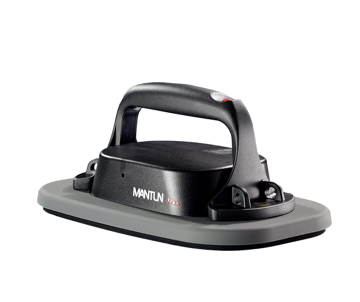
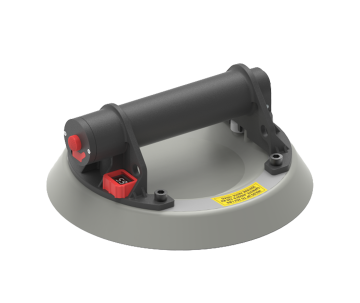
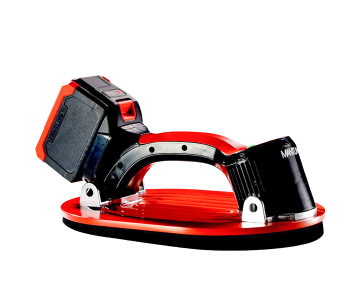

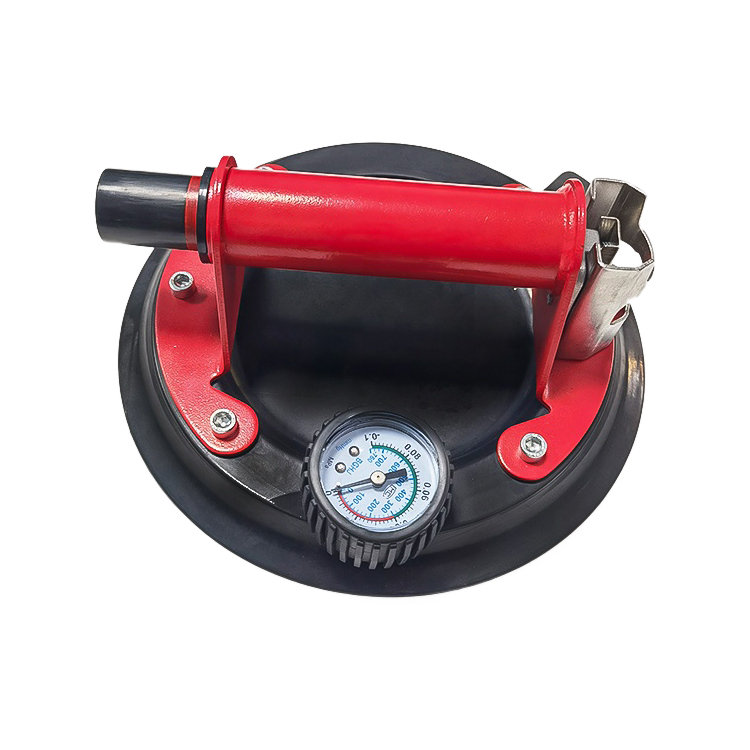











Double Claw Vacuum Suction Cup Working Principle in 2026
Tired of suction cups that promise “industrial grip” but drop your parts faster than you drop your phone? In 2026, double claw vacuum suction cups finally stop your production line from playing accidental Jenga with delicate components.
By combining mechanical claws with controlled vacuum, these cups lock onto uneven surfaces, boost stability, and cut downtime. Tests show hybrid gripping tech can greatly reduce handling defects—see this industrial automation report for details: OSHA mechanical handling guidelines.
🔧 Structural Design of the 2026 Double Claw Vacuum Suction Cup
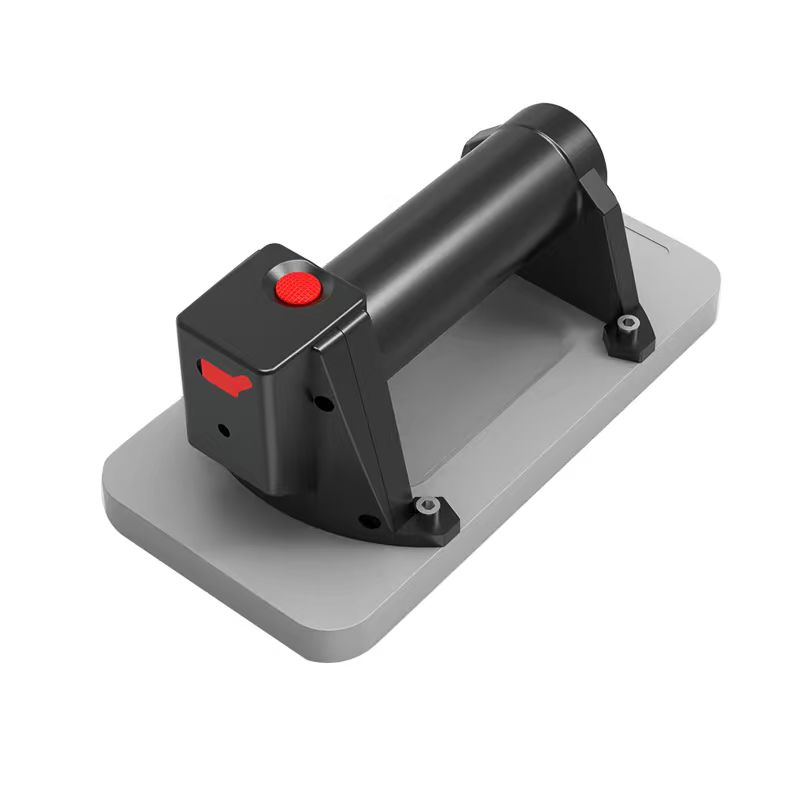
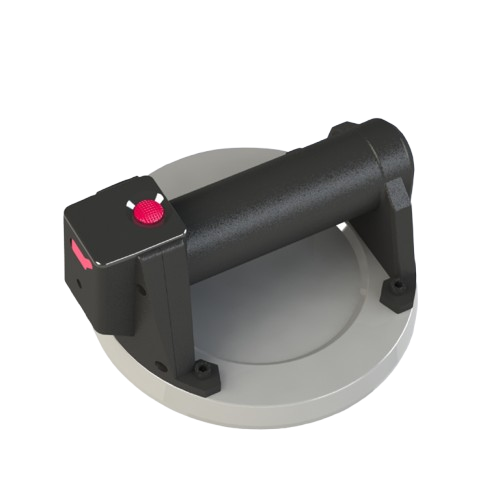
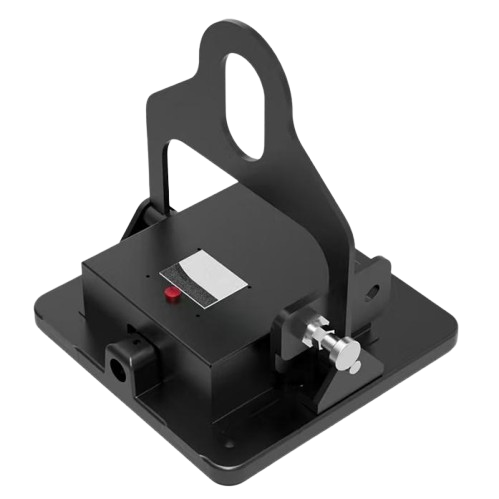
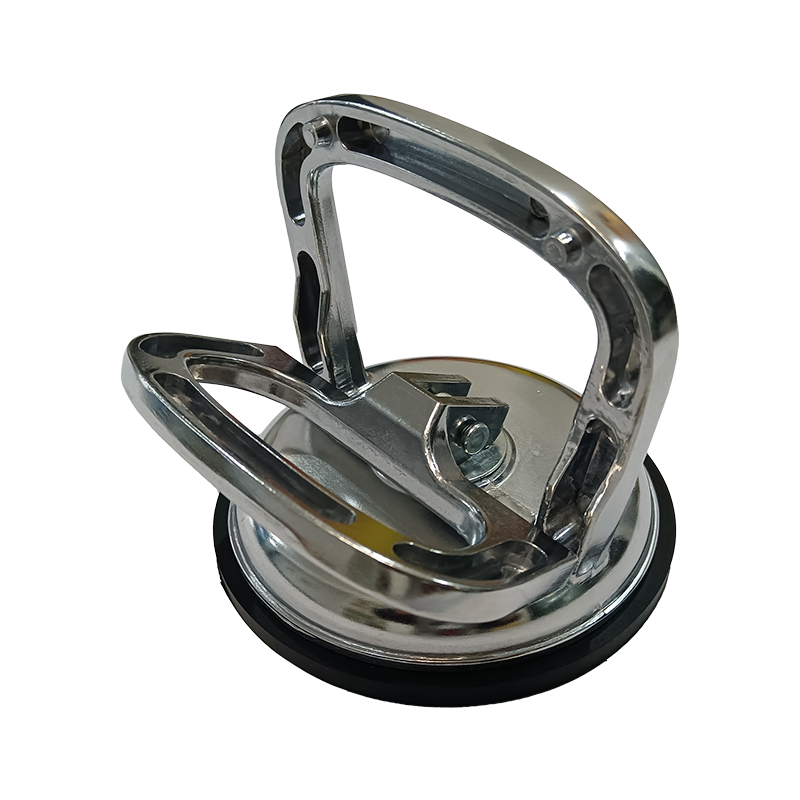
The 2026 double claw vacuum suction cup combines light alloy frames, dual vacuum chambers, and smart pressure monitoring to hold glass, tiles, and metal sheets more safely and efficiently.
Its compact structure reduces operator fatigue while keeping strong holding force, making it ideal for frequent lifting tasks on construction sites and production lines.
1. Dual-Claw Frame and Load Distribution
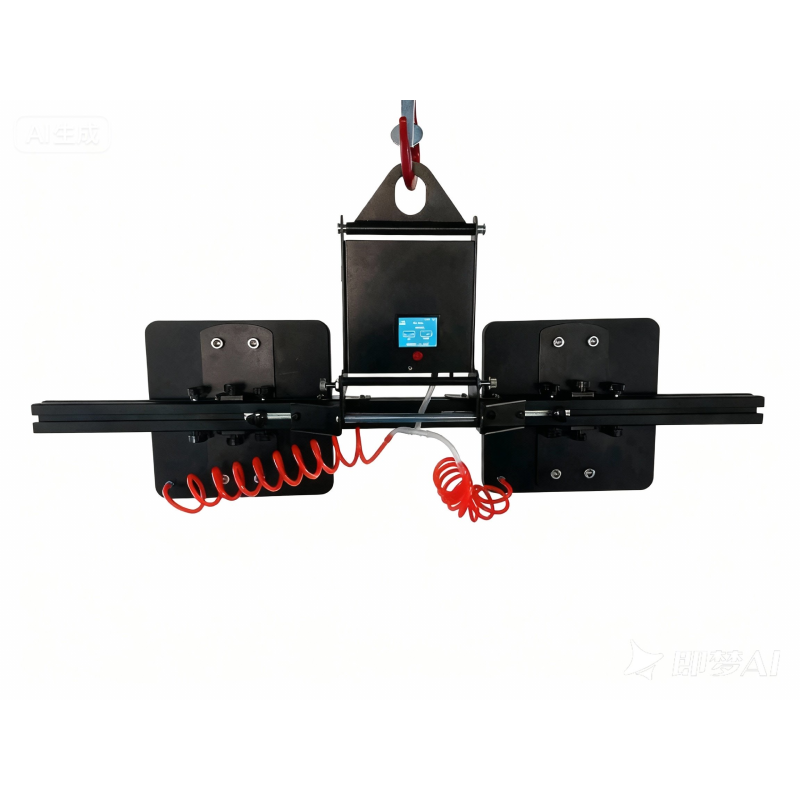
The two claws share load evenly, reduce bending stress, and keep the workpiece stable during lifting, flipping, or positioning in automated systems.
- Optimized span between claws for balance
- Reinforced ribs in aluminum frame
- Lower vibration during movement
2. Vacuum Chambers and Check-Valve Layout
Each claw has an independent vacuum chamber and check valve, so if one seal weakens, the other claw still maintains temporary holding force.
| Chamber | Function |
|---|---|
| Primary | Main lifting force |
| Secondary | Backup sealing and safety |
3. Ergonomic Handles and Control Switches
Redesigned handles in 2026 improve grip, allow one-hand control, and place release buttons and vacuum indicators within direct sight of the operator.
- Non-slip rubber coating
- Short travel release lever
- Visible vacuum level zone marks
4. Compatibility with Multi-Claw Systems
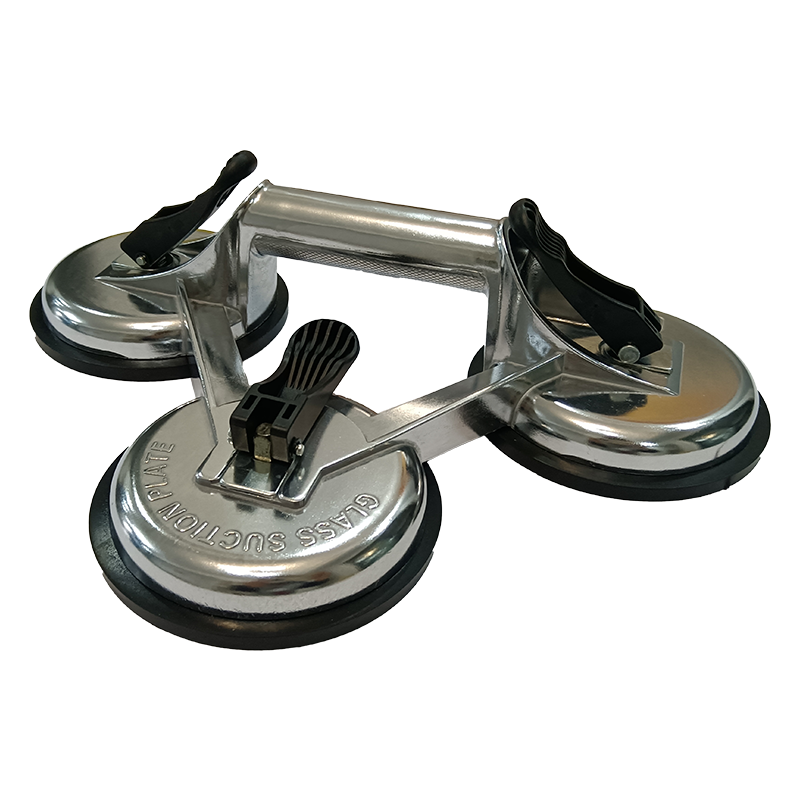
The double claw module integrates with triple and four-claw tools for heavier loads, such as the Triple Aluminium Suction Cup Three Claw Tile Glass Moving Tools Heavy Duty Aluminum Alloy Vacuum Suction Cup.
- Standard mounting holes
- Shared spare parts system
- Flexible upgrade paths
⚙️ Step‑by‑Step Working Principle of Dual-Claw Vacuum Adsorption
The double claw vacuum suction cup creates a pressure difference between the environment and the sealed surface, generating strong, stable holding force for smooth, non-porous materials.
Operators follow a simple sequence: position, press, evacuate air, confirm vacuum, then lift and move the workpiece with controlled release.
1. Positioning and Initial Surface Contact
Operators clean the surface, align both claws, and press the pads evenly to remove large air gaps before activating the vacuum source.
- Check surface flatness
- Avoid sharp edges under pads
- Keep pads free from oil and dust
2. Vacuum Generation and Pressure Difference
Manual pump or mechanical vacuum removes air under each pad, creating lower pressure inside the chamber compared with outside, which pushes the cup firmly onto the object.
| Parameter | Typical Range |
|---|---|
| Vacuum level | -60 to -80 kPa |
| Holding time | Up to several hours |
3. Real-Time Monitoring and Force Stability
In 2026 models, sensors or visual gauges show vacuum level. Operators monitor these to avoid overload and prevent sudden drop during movement.
4. Controlled Release and Re-Adsorption Cycles
Release valves admit air slowly, letting the workpiece settle without shock. The cup can then re-adsorb quickly for repeated handling cycles.
- Step-by-step venting
- Avoid sudden drops
- Extend pad life with gentle release
🧪 Key Materials and Sealing Technologies Improving Suction Reliability
Modern double claw systems rely on improved rubber, silicone, and alloy materials paired with advanced sealing geometry to reduce leaks and extend working life.
These upgrades keep stable holding power, even under high temperature shifts or long continuous operation in automated factories.
1. High-Performance Rubber and Silicone Pads
Thicker lip design and flexible silicone cores adapt to minor surface unevenness and resist aging, cuts, and common workshop chemicals.
- Wide temperature range
- Improved tear resistance
- Smoother contact edges
2. Alloy Bodies and Corrosion Protection
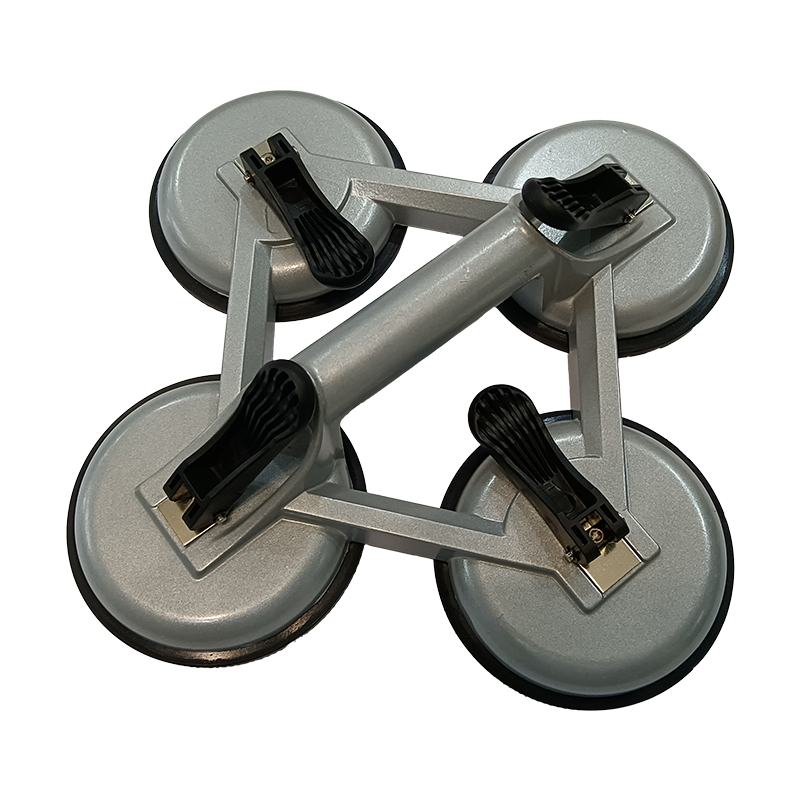
Aluminum alloy frames use powder coating or anodizing to resist corrosion, similar to the Powder Coated Aluminum Glass Holding Tool Lifter Suction Cup With Four Rubber Pad Aluminum Alloy Suction Lifter Cup.
| Material | Benefit |
|---|---|
| Aluminum alloy | Light weight, strong |
| Powder coat | Corrosion resistance |
3. Advanced Sealing Geometry and Check Valves
Multi-stage lips, micro-grooves, and fast-acting check valves lock in vacuum and slow down leakage when surfaces are not perfectly flat.
- Reduces micro-leaks
- Helps maintain vacuum longer
- Improves safety margin
📈 Application Scenarios in 2026 Intelligent Manufacturing and Handling Systems
In 2026, double claw vacuum suction cups play a key role in smart factories, building sites, and logistics centers handling fragile, high-value panels.
They support robots, cobots, and human workers, enabling flexible production lines and safer manual installation of large surfaces.
1. Glass, Tile, and Stone Processing Lines
Double claws lift and rotate large glass panes, ceramic tiles, and stone slabs with minimal contact marks and better alignment control.
- Automated cutting lines
- Edge grinding stations
- Final cleaning and packing
2. Electronics and Cleanroom Panel Handling
Improved silicone pads, like those in Silicone Suction Cup To Lift Large Glass, Marble, Tiles, Pump Active Vacuum For Heavy Lifting Glass Vacuum Silicone Sucker, help move LCD, solar, and touch panels in clean environments.
| Scenario | Requirement |
|---|---|
| LCD lines | Low particle emission |
| PV modules | Large format handling |
3. Construction, Facade, and On-Site Installation
On high-rise projects, workers use double claw cups with safety lanyards to install glass curtain walls, doors, and large tiles securely.
- Facade panel placement
- Interior glass partitions
- Large floor tiles and slabs
🛡️ Safety Design, Maintenance Standards, and Fuyang Yigao Trading Solutions
Safety in 2026 suction systems focuses on overload prevention, fast visual checks, and clear maintenance rules to avoid suction failure and accidents.
Fuyang Yigao Trading supports users with structured product lines, training advice, and replacement parts for long-term stable operation.
1. Built-In Safety Margins and Indicators
Tools integrate safety factors above rated load, color zones on gauges, and audible alarms on advanced models to warn about low vacuum.
- Do not exceed rated load
- Check color zones before lifting
- Use double securing when needed
2. Routine Inspection and Maintenance Standards
Regular checks focus on pad wear, valve function, and handle integrity. Proper cleaning extends life and protects against early seal failure.
| Task | Frequency |
|---|---|
| Pad cleaning | Daily |
| Leak test | Weekly |
| Parts replacement | As needed |
3. Fuyang Yigao Integrated Product Solutions
Fuyang Yigao Trading offers double, triple, and four-claw systems, helping users select correct models for glass, tile, and metal lifting tasks.
- Technical selection guidance
- Matched accessories and pads
- Stable supply chain support
Conclusion
Double claw vacuum suction cups in 2026 combine better materials, safer structures, and smarter monitoring to support intelligent manufacturing and complex handling jobs.
By following correct selection, daily inspection, and safe operation rules, factories and installers can lift heavy glass and panels more efficiently and with lower risk.
Frequently Asked Questions about Double Claw Vacuum Suction Cup
1. What surfaces are suitable for double claw vacuum suction cups?
They work best on clean, smooth, and non-porous surfaces such as glass, polished tiles, metal sheets, and sealed stone. Rough or porous surfaces reduce suction strength.
2. How often should I check vacuum level during lifting?
Check vacuum before each lift and monitor gauges or indicators whenever the load is moving. For long operations, recheck after any pause or impact.
3. Can one double claw cup replace larger multi-claw tools?
For light and medium loads, yes. For very large or heavy panels, use combined systems or multi-claw products designed for higher rated capacity.
4. How long can a double claw cup safely hold a load?
Holding time depends on vacuum level, seal quality, and surface condition. In normal conditions, it can hold for hours, but operators should never leave loads unattended.
5. What is the most important maintenance step for long life?
Regular cleaning and inspection of rubber or silicone pads are most important. Remove dust, oil, and sharp particles, and replace worn pads before visible damage spreads.
Post time: 04-14-2026