













Battery Powered Vacuum Suction Pad Lifter Working Principle
Still risking your toes and pride wrestling heavy glass or panels by hand, pretending you “totally got this” while everything wobbles like jelly on a forklift? There’s a smarter way to stick, lift, and move this stuff.
A battery powered vacuum suction pad lifter grips loads firmly, cuts manpower, and boosts safety by using controlled vacuum pressure instead of brute force; according to an OSHA materials‑handling overview, engineered lifting aids greatly reduce injuries see OSHA guidance here.
🔋 Basic Structure of Battery Powered Vacuum Suction Pad Lifter
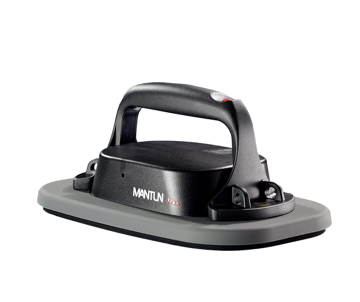
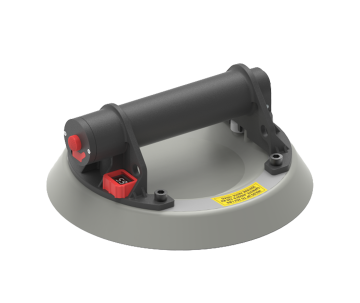
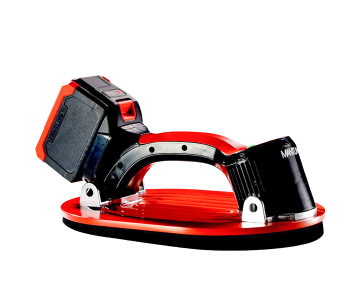
Battery powered vacuum suction pad lifters use electric pumps and sealed pads to grip heavy panels safely. A smart control unit balances power, suction, and safety alarms.
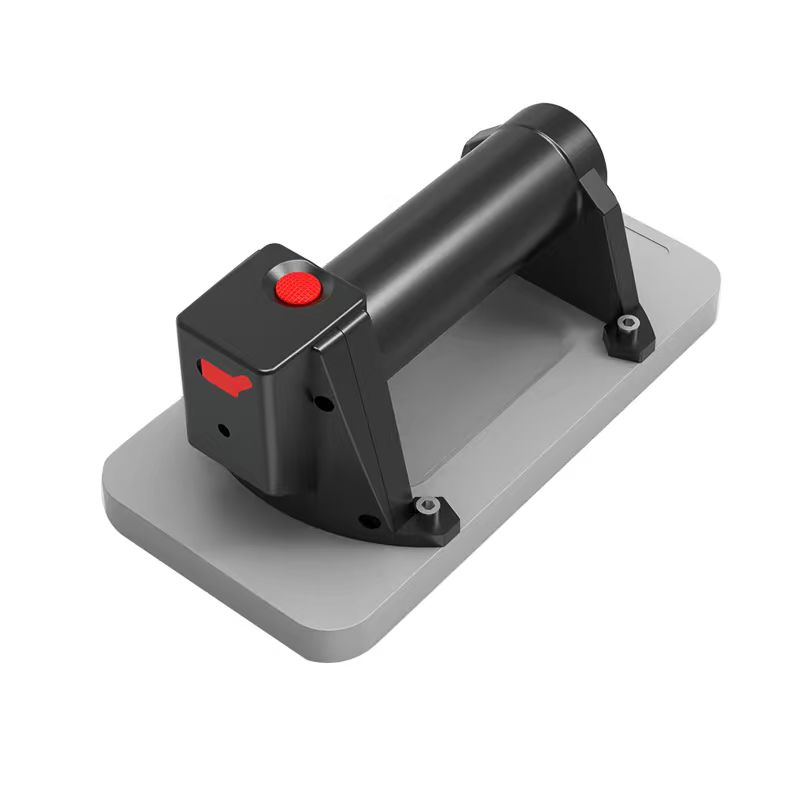
This compact structure makes tools like the YG4001 High flow vacuum sucker easy to carry while still handling glass, tiles, stone, and metal sheets efficiently.
1. Power Supply and Battery Pack
The battery pack drives the vacuum pump and control system. Stable voltage keeps suction strong even as the battery discharges during continuous lifting work.
- Rechargeable lithium battery
- Overcharge and over‑discharge protection
- Clear power level indicators
- Fast plug‑in charging port
2. Vacuum Pump and Air Channel
The electric vacuum pump pulls air from the suction pad chamber, creating negative pressure. Air channels guide flow and help maintain even suction on the workpiece.
| Component | Function |
|---|---|
| Vacuum pump | Removes air to form suction |
| Air hose | Connects pump and pad chamber |
| Check valve | Prevents reverse air flow |
3. Suction Pad and Sealing Ring
The rubber pad and its sealing ring create a tight, flexible contact with the surface. This contact area directly decides how much load the lifter can hold.
- Wear‑resistant rubber material
- Soft lip for uneven surfaces
- Replaceable seal rings
- Different sizes for different panels
4. Frame, Handle, and Display Module
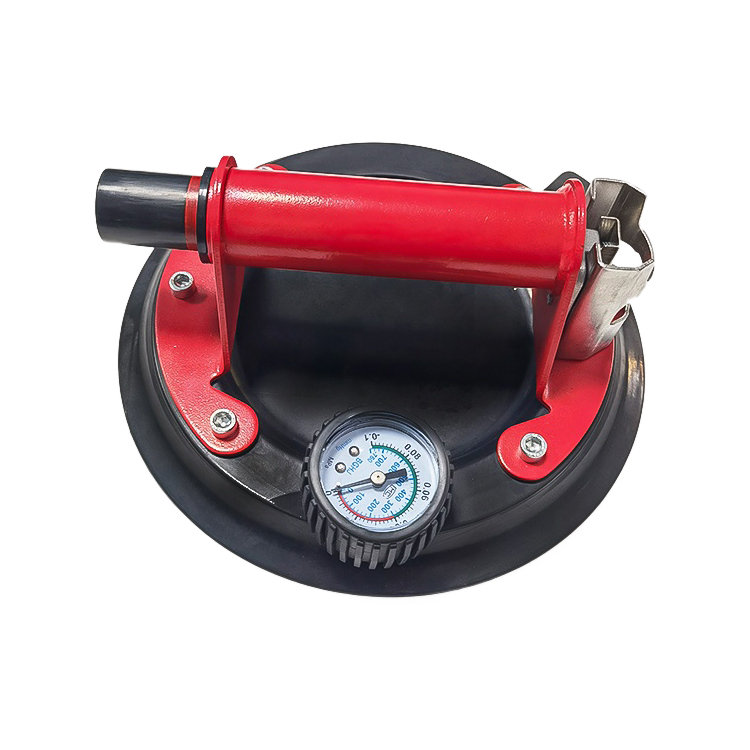
The frame supports the pad and links to cranes or manual handling. The handle integrates switches, safety alarms, and pressure displays for direct real‑time control.
| Part | User Benefit |
|---|---|
| Ergonomic handle | Comfortable grip and steering |
| Pressure gauge/LED | Instant suction feedback |
| Alarm buzzer | Warns of low pressure |
🌀 How Negative Pressure Generates Stable Suction Force on Workpieces
When the vacuum pump removes air inside the pad, pressure inside drops below outside air pressure. This pressure difference holds the workpiece firmly against the pad.
Stable negative pressure ensures that heavy panels stay locked in place even when you move, tilt, or rotate them during installation or production tasks.
1. Building Negative Pressure inside the Pad
The pump quickly removes air from the sealed chamber. As air volume falls, internal pressure drops and outside air pushes the workpiece tightly onto the suction pad.
- Fast evacuation at startup
- Pressure sensor tracks drop
- Check valve locks vacuum
- Auto stop at target level
2. Relationship between Pressure and Holding Force
Holding force equals pressure difference times pad area. Larger pads or deeper negative pressure both increase the safe working load on flat surfaces.
3. Maintaining Vacuum under Dynamic Loads
During lifting, vibration and motion can cause small leaks. The system monitors pressure and restarts the pump to keep negative pressure within a safe range.
| Condition | System Action |
|---|---|
| Minor leak | Pump briefly restarts |
| Continuous leak | Alarm and warning light |
| Critical drop | Stop lifting, hold pad |
4. Controlled Release to Protect Surfaces
When you press release, an air valve opens to let air in slowly. Pressure balances, suction falls, and the workpiece separates without impact or sliding.
- Soft release protects glass
- Avoids sudden panel drop
- Prevents tile edge damage
- Reduces operator risk
⚙️ Internal Control System Regulating Suction, Release, and Safety Functions
The internal control system coordinates sensors, pump, valves, and alarms. It keeps suction strong, manages release, and triggers safety actions when needed.
Simple buttons and clear lights help operators work safely without deep technical knowledge or complex setup steps.
1. Pressure Sensing and Pump Control Logic
A pressure sensor sends real‑time data to the controller. The controller switches the pump on or off to keep pressure within the safe working window.
- Preset upper and lower limits
- Automatic pump start/stop
- Energy‑saving idle mode
- Fault codes for quick checks
2. Safe Release and Emergency Functions
The control system manages normal release through a valve and also includes emergency buttons that quickly react if suction becomes unsafe or power fails.
| Function | Purpose |
|---|---|
| Normal release switch | Gentle air intake |
| Emergency stop | Instant system halt |
| Low‑pressure lockout | Blocks new lifts |
3. Alarm, Display, and Battery Management
LEDs, buzzers, and sometimes LCD screens show vacuum level and battery status. The system also protects the battery from deep discharge or overheating.
- Vacuum level indicator
- Low battery warning
- Overcurrent protection
- Charging status display
🧱 Application Scenarios: Glass, Stone, Metal Plate Handling Principles
Battery powered vacuum suction pad lifters adapt to glass, stone, and metal panels. Each material needs specific pad choices and handling angles to stay safe.
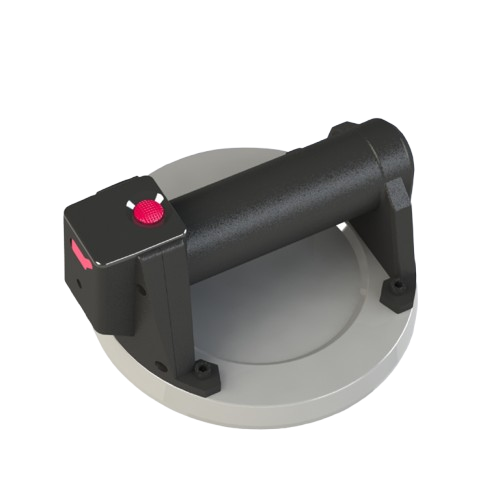
Tools like the Y1689 8inch Electric Vacuum Suction Cup show strong performance on smooth glass and metal facades.
1. Glass Panel Installation
For glass, smooth clean surfaces give very strong suction. Operators avoid sharp impacts and follow rated loads to prevent cracks during facade or window installation.
- Use clean, dry pads
- Avoid contact with glass edges
- Keep lifting speed steady
- Check pressure before tilting
2. Stone Slab and Tile Handling
Stone often has micro‑texture. High‑flow pumps and flexible seals help form stable suction, even on slightly rough or matte stone slabs and tiles.
| Stone Type | Handling Note |
|---|---|
| Polished marble | Strong suction, normal rate |
| Granite | Need higher flow pump |
| Porous tile | Shorter hold time, test first |
3. Metal Sheet and Panel Fabrication
Flat metal panels in workshops or on sites are ideal for vacuum lifters. Negative pressure stays stable, even when you rotate sheets for cutting or welding.
- Check for oil or dust
- Match pad size to sheet weight
- Avoid sharp burr contact
- Use rated hooks or frames
🏭 Why Choose Fuyang Yigao Trading for Reliable Vacuum Suction Pad Lifters
Fuyang Yigao Trading focuses on battery powered vacuum solutions with high safety standards, clear controls, and stable performance for professional on‑site and factory users.
Products like the YG2003 electric vacuum sucker offer a strong balance of portability, suction capacity, and smart protection functions.
1. Professional R&D and Product Range
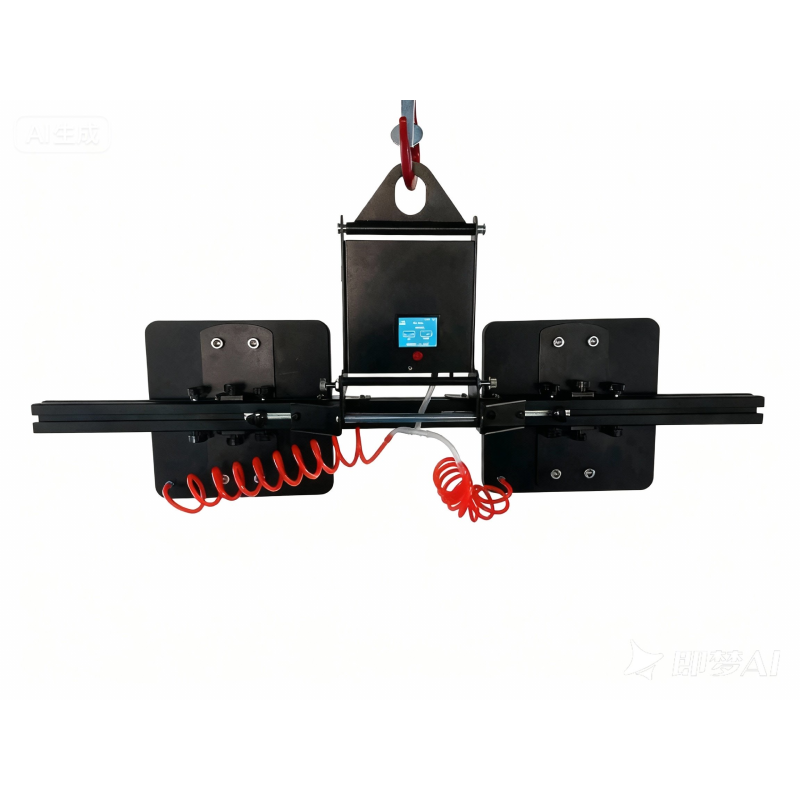
Yigao offers multiple models for different tasks, from small electric cups for installers to high‑flow, multi‑pad systems for large industrial panels.
- Dedicated engineering team
- Models for glass, stone, metal
- Continuous design updates
- Support for OEM and custom needs
2. Quality Control and Safety Compliance
Each lifter passes strict tests on vacuum stability, battery safety, and structural strength. This reduces downtime and helps protect workers and materials.
| Test Item | Goal |
|---|---|
| Vacuum leak test | Stable negative pressure |
| Load test | Verify rated capacity |
| Battery cycling | Long service life |
3. Service, Training, and After‑Sales Support
Yigao supports global buyers with technical advice, operation guidance, and spare parts. Clear manuals and training help crews use the lifters correctly from day one.
- Online technical support
- Operation videos and guides
- Fast spare parts supply
- Warranty and maintenance plans
Conclusion
Battery powered vacuum suction pad lifters rely on negative pressure, strong sealing, and smart control systems to move glass, stone, and metal with confidence and efficiency.
By understanding their working principle and using quality equipment from reliable suppliers, teams can reduce manual strain, protect materials, and improve on‑site installation speed.
Frequently Asked Questions about Battery Powered Vacuum Suction Pad Lifter
1. How long can the battery normally last during continuous use?
Most units run 3–6 hours on a full charge, depending on pump power and leak rate. Frequent small leaks make the pump work more and shorten runtime.
2. Can these lifters work on rough or curved surfaces?
They work best on smooth, flat surfaces. Slightly rough or gently curved surfaces may be possible with flexible seals, but always test suction strength before lifting.
3. How do I know if the suction force is safe for lifting?
Check the pressure gauge or LED indicator and compare with the rated load in the manual. Never exceed the safe working load or ignore low‑pressure alarms.
4. What daily maintenance does a vacuum suction pad lifter need?
Keep pads clean, inspect seals for cuts, check hoses for cracks, and charge batteries correctly. Regular visual checks greatly reduce failure risks on site.
5. Is it safe to use in outdoor construction environments?
Yes, many models are designed for outdoor use. Avoid heavy rain, strong dust, or extreme temperatures, and always follow the manufacturer’s environmental limits.
Post time: 02-08-2026