













Heavy Duty Dual Vacuum Suction Cup working principle guide
Ever tried lifting glass or tiles with your bare hands, only to watch them slip away like a bad Monday? Heavy stuff plus sweaty palms is a comedy show no one wants front-row seats to.
This Heavy Duty Dual Vacuum Suction Cup guide shows how secure suction works, cuts accidents, and saves time—backed by real data from the OSHA materials-handling safety report.
🔧 Structural components of a heavy duty dual vacuum suction cup
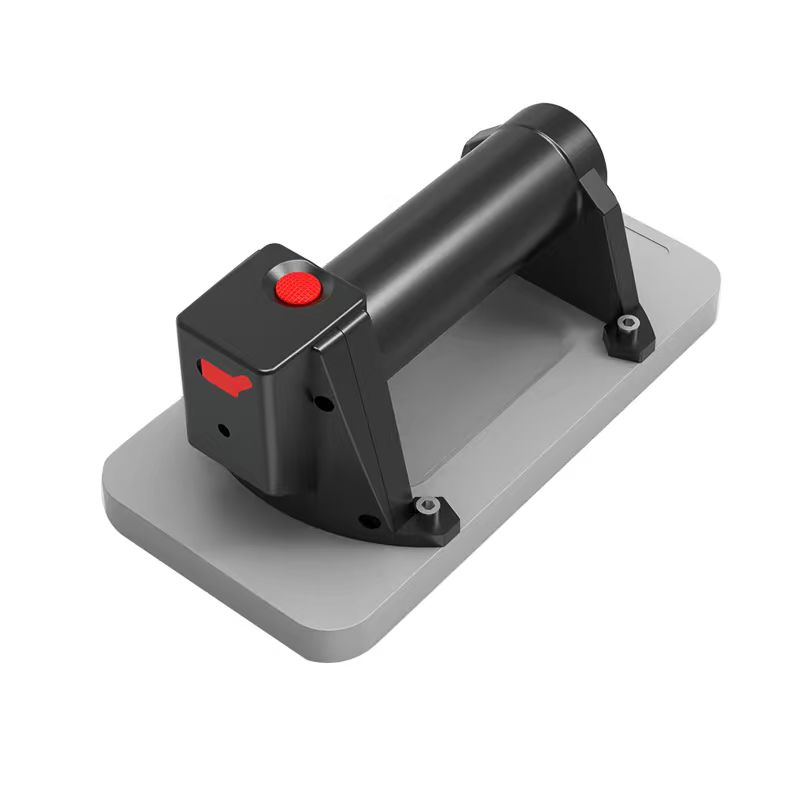
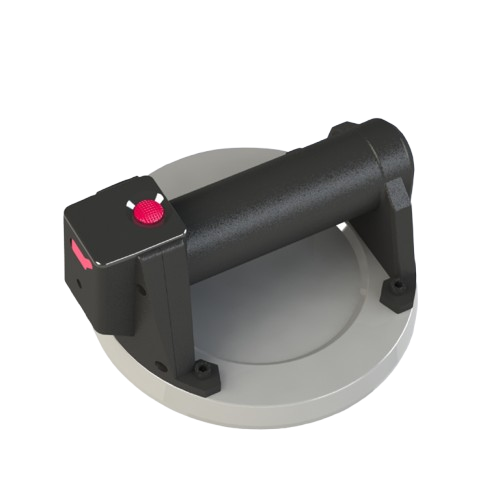
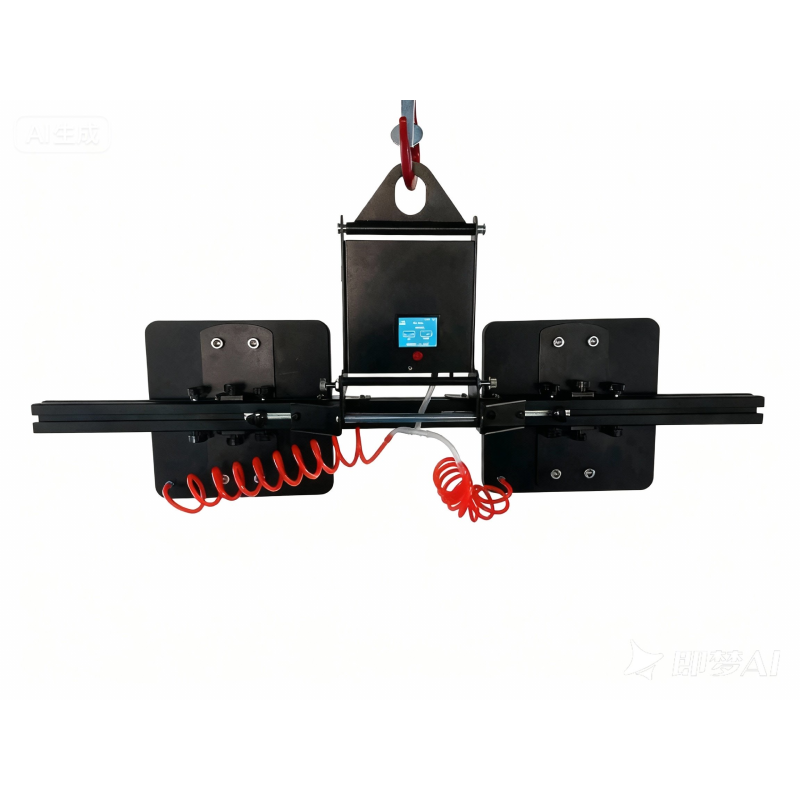
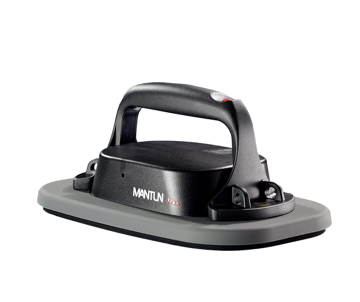
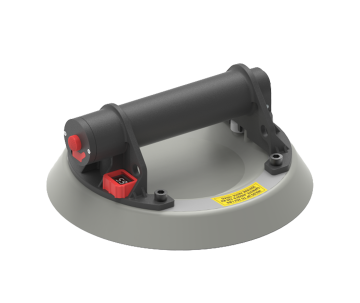
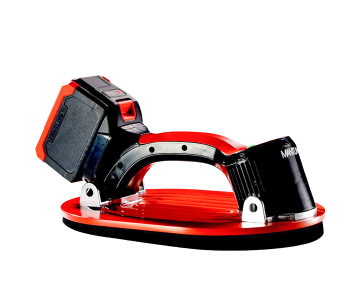
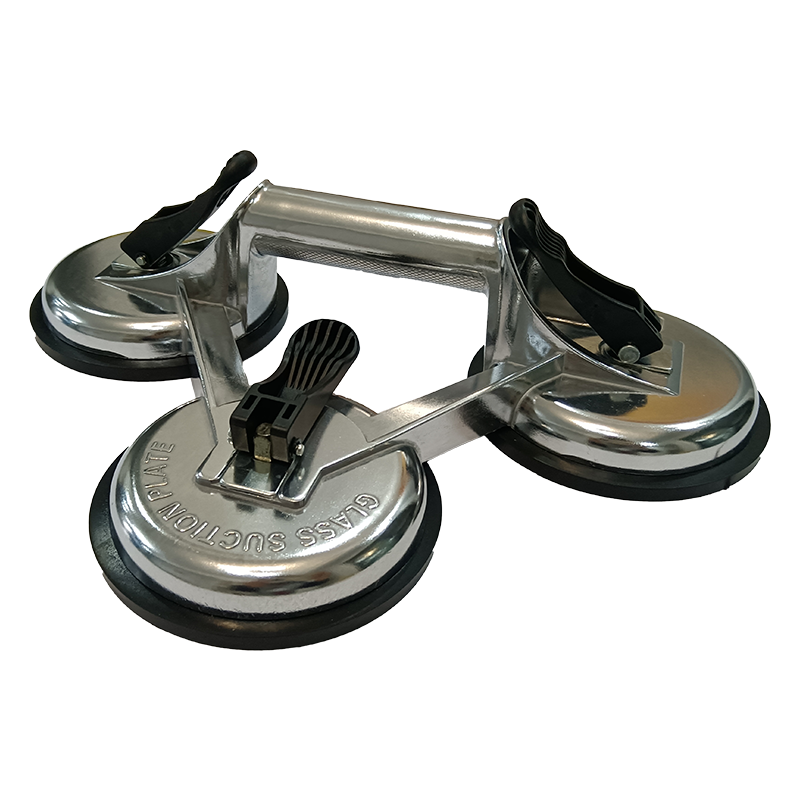
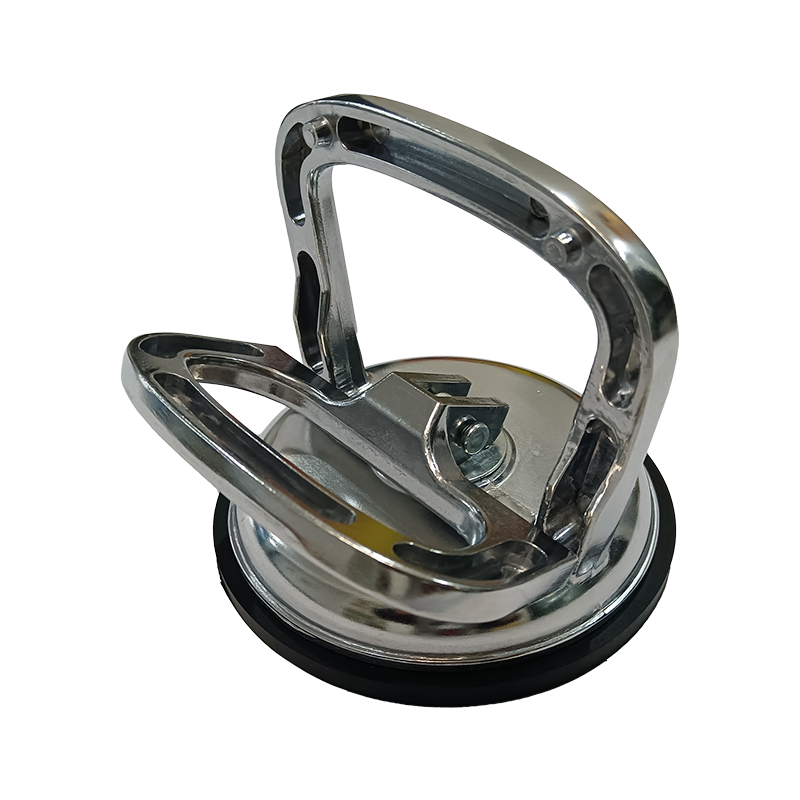
Heavy duty dual vacuum suction cups use two powerful pads, a rigid frame, and reliable valves to grip smooth materials like glass, tiles, and metal sheets safely.
Correct structure improves load capacity, reduces slipping risk, and supports long-term use in construction, glass installation, and workshop handling tasks.
1. Dual suction pads and sealing rings
The two pads share the load and improve balance. Soft rubber or silicone rings create an airtight seal on clean, flat surfaces.
- Material: rubber or silicone
- Shape: flat or slightly curved
- Function: block air entry, build vacuum
2. Rigid frame and handle
A strong aluminum or steel frame links both cups and provides a safe handle for one or two workers to carry heavy panels.
- High bending strength
- Comfortable non-slip grip
- Space for hand or glove clearance
3. Vacuum pump or lever mechanism
Some models use a hand pump, others a lever. Both remove air between pad and surface to generate negative pressure.
| Type | Control | Use Scene |
|---|---|---|
| Pump style | Push plunger | Heavy glass, marble |
| Lever style | Flip handle | Fast tile handling |
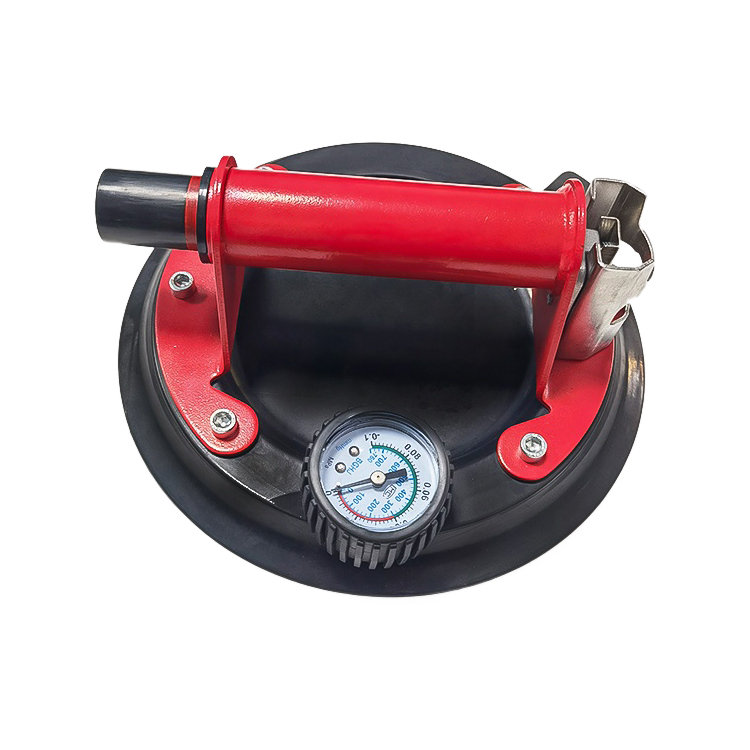
4. Valves, gauges, and indicator marks
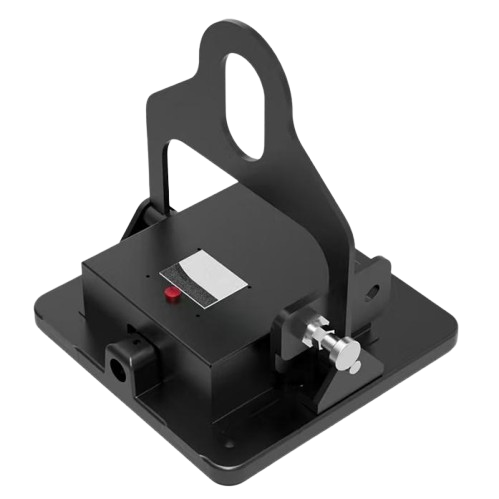
Air valves keep the vacuum locked. Gauges or colored pins show safe vacuum level, helping users avoid overload or early release.
- Non-return valve stops air backflow
- Indicator pin shows pressure status
- Optional gauge gives numeric reading
🌀 How vacuum suction is generated and maintained during lifting
When you press the pads and activate the pump or lever, air escapes from under each cup, forming low pressure that keeps loads firmly attached.
Good seals, clean surfaces, and frequent vacuum checks help maintain stable force through the whole lifting and moving process.
1. Surface contact and air removal
Place both pads flat on the surface, then pump or flip the lever to push air out from the thin gap under each pad.
- Press evenly on both cups
- Avoid joints, deep scratches, holes
- Check for full pad contact
2. Negative pressure and holding force
Outside air presses the pads toward the surface. This pressure difference produces strong friction and vertical holding force on the workpiece.
| Vacuum Level | Holding Force (per cup)* |
|---|---|
| Low | Light panels only |
| Medium | Standard glass sheets |
| High | Heavy stone or metal |
*Always follow rated load on product label.
3. Real-time vacuum monitoring (with bar chart)
Use visual signals to judge if vacuum remains safe during long moves, especially when lifting thick glass or stone indoors and outdoors.
4. Leak compensation and re-pumping
Small leaks can appear from dust or slight movement. Operators re-pump or re-set the lever to restore safe vacuum before continuing.
- Pause and check indicator pin
- Re-pump until safe range returns
- Re-seat pads if loss repeats
🛡️ Safety mechanisms preventing accidental release under heavy loads
Heavy duty dual vacuum suction cups include valves, warning marks, and redundant pads to prevent sudden drops during lifting and positioning work.
These features protect workers, nearby materials, and expensive glass or stone products under real job-site conditions.
1. One-way valves and slow-release buttons
One-way valves hold vacuum even if you stop pumping. A slow-release button lets you safely vent air only when you finish lifting.
- Prevents rapid air intake
- Allows controlled detaching
- Reduces shock on fragile glass
2. Dual-cup redundancy and load sharing
If one cup starts to lose grip, the second still supports part of the weight, giving you time to lower the load or correct the seal.
| Condition | Effect |
|---|---|
| Both cups full vacuum | Maximum rated load |
| One cup weak | Short-term safe reaction time |
3. Visual indicators and regular inspection
Colored pins, gauges, and visible pad wear marks remind users to check safety before each lift and during long distance moving tasks.
- Check pad cracks and oil stains
- Inspect handles and frames
- Test indicators under no load
📏 Correct operation steps and positioning skills for stable suction
Correct operation reduces risk and keeps suction strong from first contact to final placement of glass, tile, or stone.
Follow a fixed routine every time so even new staff can work safely and repeat results on different jobs.
1. Pre-use checks and surface cleaning
Inspect pads, handle, and valves. Wipe away dust, oil, and water from both the workpiece and rubber pad contact areas.
- Use clean, lint-free cloth
- Avoid strong solvents on pads
- Confirm pad softness by touch
2. Correct positioning and center of gravity
Place the dual cups near the center of gravity and keep them symmetrical so the load hangs straight and does not twist or tilt.
| Load Type | Placement Tip |
|---|---|
| Long glass | Split distance evenly from center |
| Square tile | Form a straight line through center |
3. Lifting, moving, and set-down steps
After vacuum builds, lift slowly, keep the panel upright or slightly tilted, move at walking speed, then set down gently before releasing vacuum.
- Never jerk or swing loads
- Use two people for wide sheets
- Release vacuum only when supported
🔍 Common faults, maintenance tips, and why choose Fuyang Yigao Trading
Typical faults include weak suction, pad aging, and sticky valves. Planned cleaning and inspection keep tools reliable for long-term site use.
Choosing a specialized manufacturer ensures clear load ratings, stable quality, and professional support for your lifting systems.
1. Common faults and quick checks
Weak grip often comes from dirty surfaces, cracked pads, or valve leaks. Simple visual checks usually reveal the source of the problem.
- Look for dust rings on pads
- Press valve to feel air flow
- Check frame for bends
2. Maintenance schedule and storage
Clean pads after work, store in dry areas, and keep them away from sharp tools or chemicals that may cut or harden the rubber.
| Task | Frequency |
|---|---|
| Wipe pads | After each use |
| Full inspection | Monthly |
| Pad replacement | As wear appears |
3. Why choose Fuyang Yigao Trading
Fuyang Yigao Trading offers a complete range of vacuum lifting tools with stable performance, clear safety design, and support for glass, tile, stone, and panel installation.
- Dedicated R&D and strict quality control
- Models for light and heavy tasks
- OEM and bulk supply options
You can also explore matching products like Silicone Suction Cup To Lift Large Glass, Marble, Tiles, Pump Active Vacuum For Heavy Lifting Glass Vacuum Silicone Sucker, Triple Aluminium Suction Cup Three Claw Tile Glass Moving Tools Heavy Duty Aluminum Alloy Vacuum Suction Cup, and Vacuum Stone Seam Setter ,ceramic Tile Tensione 2 Claw Heavy Duty Aluminum Alloy Ceramic Tile Glass Suction Cup For Gap Splicing And Fixing Of Ceramic Tile Glass.
Conclusion
Heavy duty dual vacuum suction cups use simple physics and well-designed parts to lift heavy panels safely. Strong pads, good valves, and clear indicators help you control risk.
By following proper operation steps, doing regular maintenance, and choosing trusted suppliers like Fuyang Yigao Trading, you can handle glass, tile, and stone more efficiently and confidently.
Frequently Asked Questions about Heavy Duty Dual Vacuum Suction Cup
1. What surfaces can a dual vacuum suction cup grip safely?
It works best on flat, smooth, non-porous surfaces such as tempered glass, polished tiles, marble, granite, and painted or coated metal panels.
2. How often should I replace the suction pads?
Replace pads when you see cracks, hard spots, deep cuts, or when suction becomes weak even on clean, smooth surfaces after proper pumping.
3. Can one person safely operate a heavy duty dual cup?
One person can handle moderate sizes within rated load. For large, wide, or thick panels, use two operators for better balance and safety.
4. How do I know the vacuum level is safe?
Check the indicator pin or gauge. Only lift when the marker shows the safe zone and re-check it during long or difficult moves.
5. Are these tools suitable for outdoor construction sites?
Yes, if you keep pads and surfaces clean and dry. Avoid strong wind swings, heavy rain, and dusty air that can break the vacuum seal.
Post time: 04-06-2026