

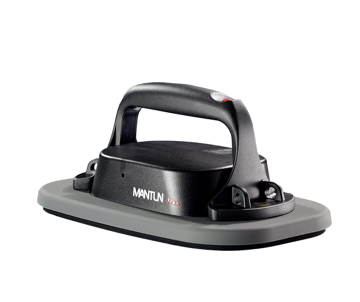
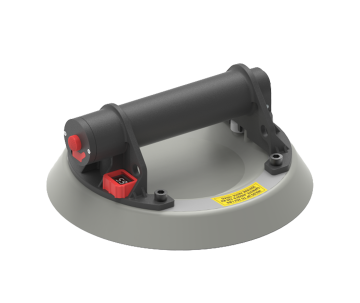
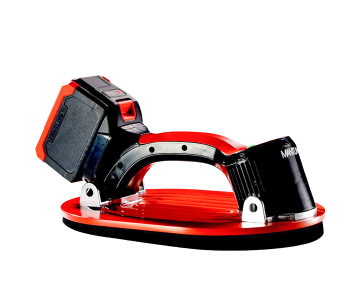

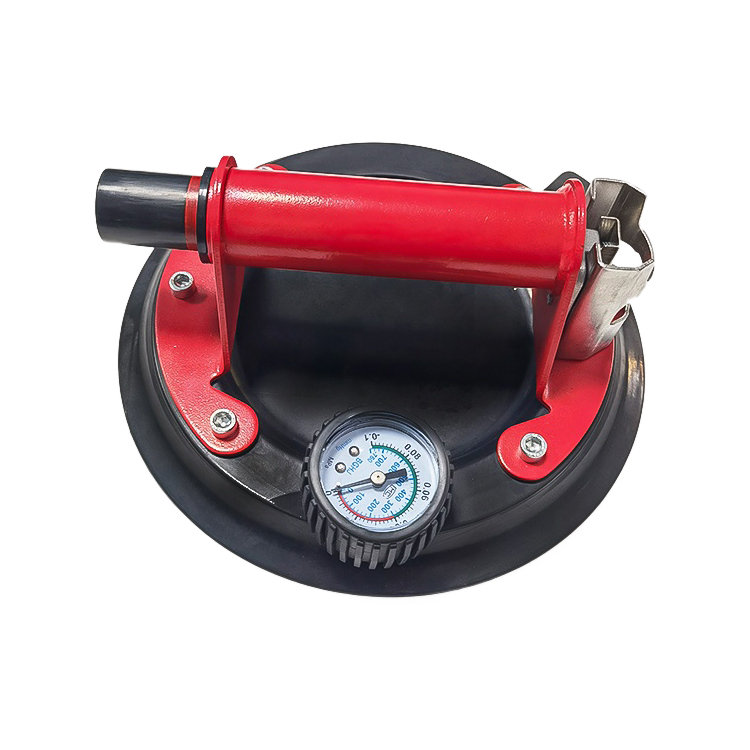











Vacuum Suction Cup Lifter 2026 Market Trends and Buyer Insights
Still wrestling glass panels like they’re stubborn yoga mats, or dropping tiles that “defy gravity” in all the wrong ways? Let’s peek at the 2026 vacuum suction cup lifter market before your next lift turns into a slapstick workplace comedy.
This guide shows how smarter lifters, data-driven choices, and safety standards cut strain, slips, and breakage—backed by insights similar to an OSHA materials‑handling brief (OSHA Guide).
🔍 Global demand drivers reshaping vacuum suction cup lifter applications in 2026
In 2026, demand for vacuum suction cup lifters grows as companies automate lifting, reduce worker strain, and handle fragile glass, stone, and metal with higher safety and speed.
Strong construction recovery, expansion of smart factories, and stricter safety rules in North America, Europe, and Asia-Pacific push buyers toward durable, ergonomic, and customizable lifting tools.
1. Automation and smart factory expansion
Robots and cobots now work with suction lifters to move panels, tiles, and metal sheets. Buyers want tools that connect easily to automatic lines and reduce downtime.
- Fast changeover between sizes
- Simple controls for new staff
- Stable grip on smooth and rough surfaces
2. Stricter safety standards and labor shortages
More strict safety rules and fewer skilled workers push firms to use lifters that lower manual lifting and injury risk, while keeping output stable.
- Built‑in safety locks
- Visible vacuum indicators
- Quick training and clear manuals
3. Growth of construction, glass, and stone markets
Urban building and interior upgrades increase the need for glass, stone, and ceramic handling tools. Multi‑pad lifters support larger panels and higher loads.
- Facade glass
- Large tiles and slabs
- Custom furniture panels
4. Need for clean, damage‑free handling
Manufacturers seek clean lifts that avoid scratches and marks. High‑grade rubber pads and stable frames protect high‑value products and lower scrap rates.
| Need | Benefit |
|---|---|
| Soft pads | Less surface damage |
| Rigid body | Better load control |
📈 Technological upgrades improving suction performance, safety, and ergonomic handling
By 2026, vacuum suction cup lifters add better materials, clearer safety feedback, and lighter frames, helping teams move heavy panels with less strain and higher uptime.
Manufacturers focus on vacuum stability, improved handles, and smart indicators to cut accident risk and support lean production goals in workshops and job sites.
1. Higher suction power and stability
Improved rubber compounds and refined valve design help cups hold strong on glass, ceramic, and polished stone even during tilting and short shocks.
- Faster vacuum build‑up
- Better hold on slightly uneven areas
- Longer pad life
2. Safer operation with visible feedback
Clear warning marks and pressure indicators show when vacuum is safe. This reduces user error, especially when teams change often on busy sites.
- Color rings on pistons
- Check valves to prevent sudden drop
- Strong locking levers
3. Ergonomic frames and lighter alloys
Aluminum alloy frames lower weight without losing strength, so operators lift and guide panels with less fatigue across long shifts.
| Feature | User Benefit |
|---|---|
| Curved handles | Better grip and control |
| Aluminum body | Easier carrying on site |
4. Data‑driven market focus
Buyers compare load range, pad count, and body material to match specific tasks. Below is a sample market demand snapshot for 2026.
🏭 Key end-user industries adopting vacuum suction cup lifters worldwide
In 2026, the main users of vacuum suction cup lifters are construction, glass and stone processing, and manufacturing plants seeking safe, fast handling.
Each sector prefers different pad layouts, body materials, and safety features based on surface type, panel size, and daily load cycles.
1. Construction and on‑site installation
Contractors use lifters for window glass, doors, and wall panels. They want portable, rugged tools that work in changing weather conditions.
- Portable double‑cup units
- Four‑pad frames for big panels
- Fast release for quick fitting
2. Glass, ceramic tile, and stone workshops
Fabricators move slabs and tiles between cutting, polishing, and packing lines. Stable grip and precise placement are key buying factors.
- Gap alignment tools
- High‑load pad sets
- Reduced chip and break risk
3. Metal, furniture, and appliance manufacturing
Factories lift sheet metal and finished panels on assembly lines. They need reliable suction on painted and coated surfaces.
| Industry | Main Use |
|---|---|
| Metal | Sheet handling and feeding |
| Furniture | Panel positioning |
| Appliance | Door and side panel lifting |
🌱 Sustainability trends in materials, energy efficiency, and product lifecycle design
Green rules and cost control drive buyers to select durable, repairable suction lifters that waste less material and energy across their full life.
Designers now favor lighter alloys, long‑life pads, and modular parts that can be replaced instead of throwing away whole tools.
1. Durable aluminum alloys and long‑life pads
High‑grade aluminum bodies resist rust and last longer, while improved rubber pads cut replacement frequency and overall waste.
- Less metal scrap
- Fewer pad changes
- Lower lifetime cost
2. Energy‑aware handling and fewer breaks
Stable suction means fewer dropped items and less rework. This saves power and materials in glass, tile, and stone production lines.
| Improvement | Effect |
|---|---|
| Fewer drops | Less scrap and re‑cutting |
| Smoother flow | Lower energy per unit |
3. Repairable and upgradable designs
Buyers now value tools with replaceable cups, valves, and handles. This keeps equipment in use longer and supports circular economy goals.
- Spare pads and seals
- Serviceable valves
- Upgradeable frames
✅ Buyer selection checklist and why Fuyang Yigao Trading fits 2026 requirements
In 2026, buyers must match lifter design to real tasks, while checking safety, comfort, and long‑term reliability from trusted suppliers.
Fuyang Yigao Trading offers a wide range of aluminum alloy suction lifters that align well with these technical and economic requirements.
1. Core technical checklist for buyers
Key checks include load rating, pad count, grip area, body material, and safety locks that meet local standards and site conditions.
- Verified load capacity
- Pad size and number
- Body strength and weight
2. Matching products to glass, stone, and tile tasks
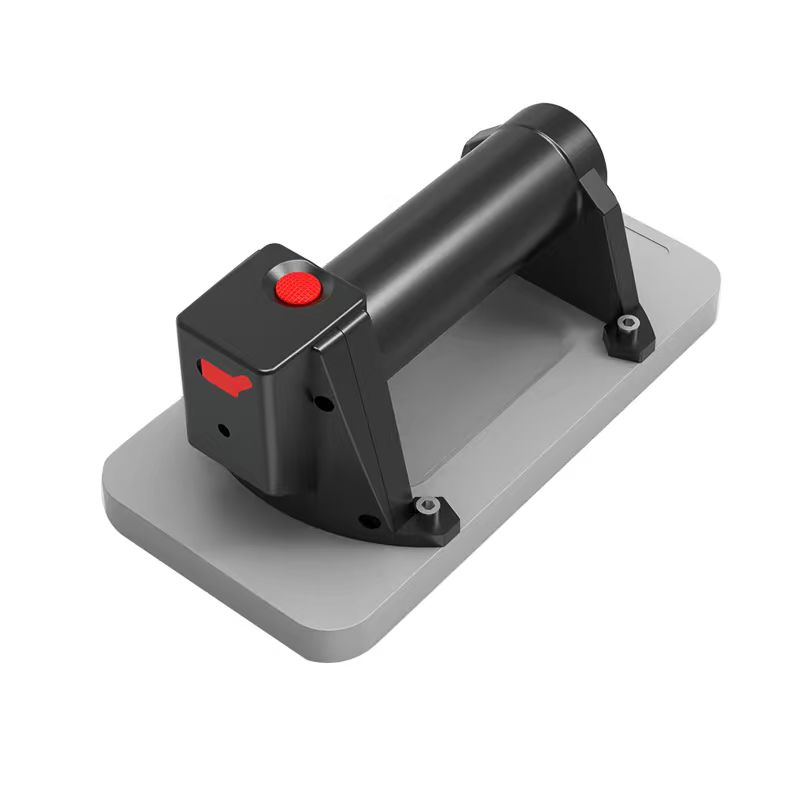
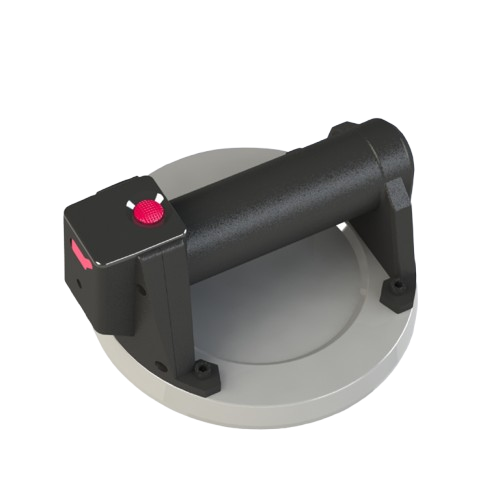
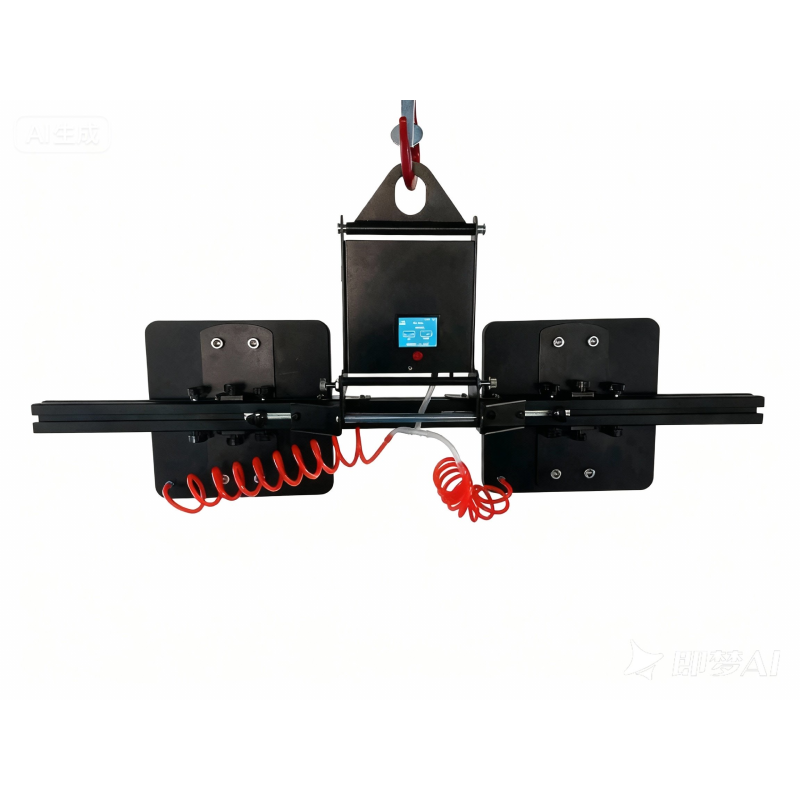
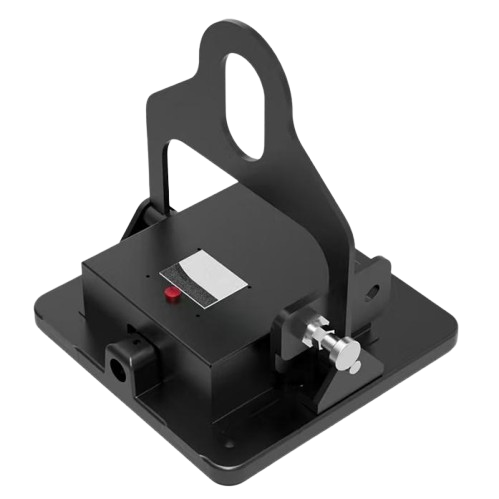
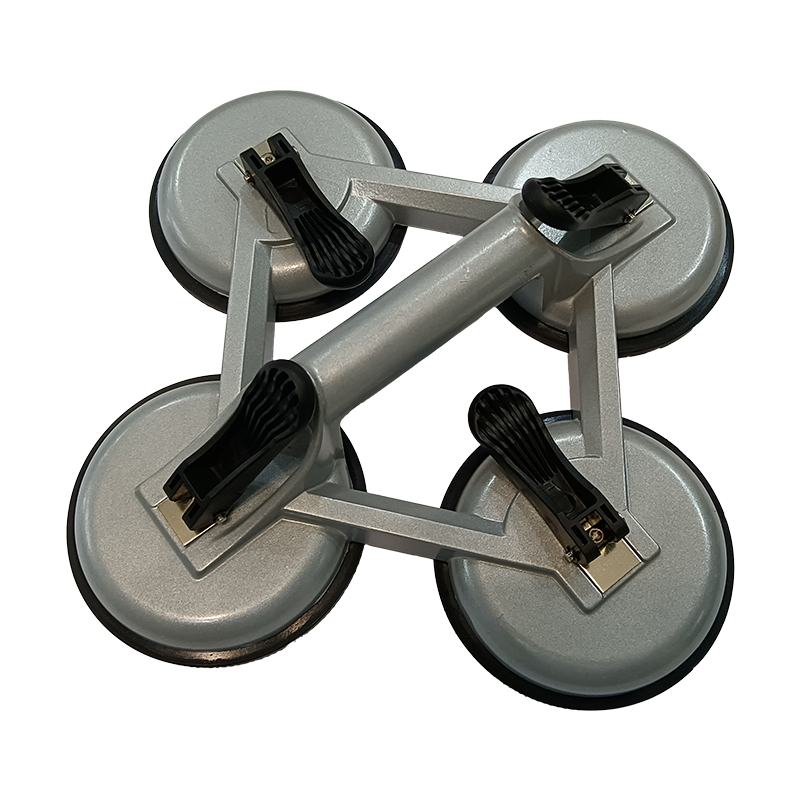
For large glass panels, buyers can use the Powder Coated Aluminum Glass Holding Tool Lifter Suction Cup With Four Rubber Pad Aluminum Alloy Suction Lifter Cup, which balances strong grip and manageable weight.
For precise tile and stone seam correction, the Vacuum Stone Seam Setter ,ceramic Tile Tensione 2 Claw Heavy Duty Aluminum Alloy Ceramic Tile Glass Suction Cup For Gap Splicing And Fixing Of Ceramic Tile Glass helps align gaps accurately while holding firmly.
3. Why Fuyang Yigao supports long‑term value
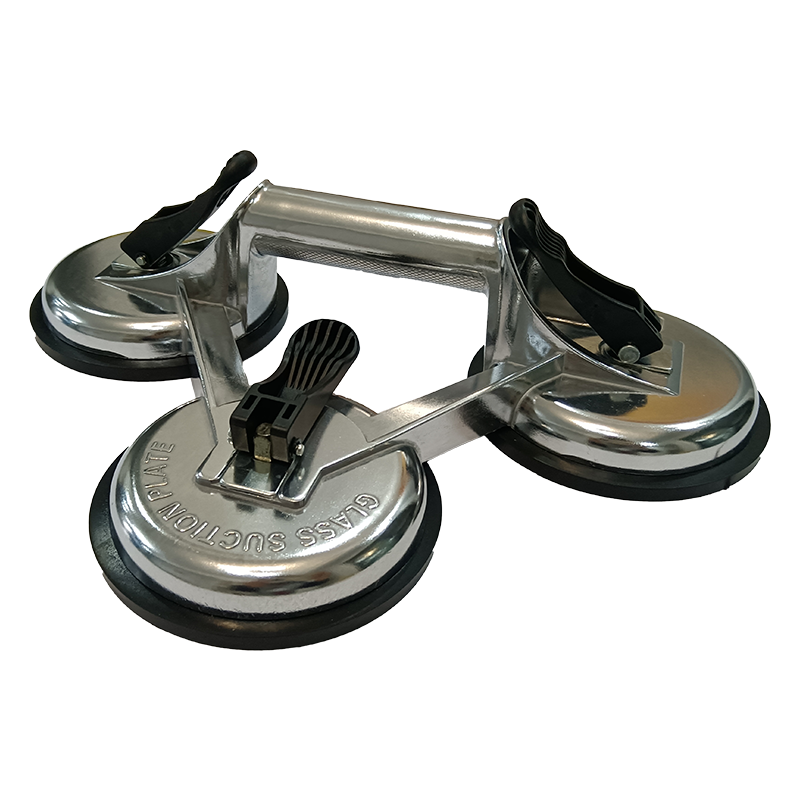
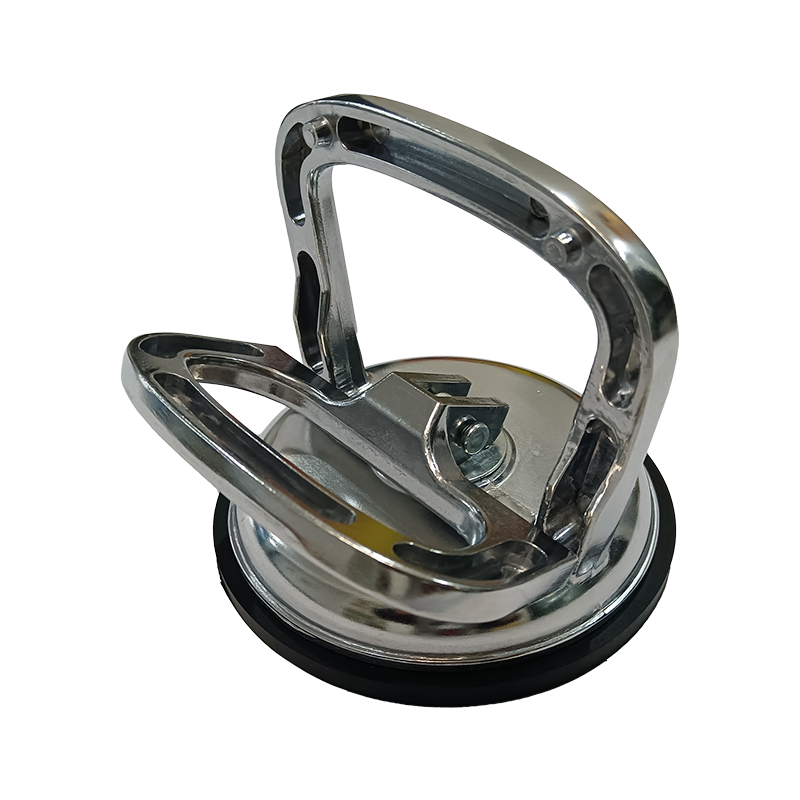
For everyday lifting of glass sheets, the Heavy Duty Two Cups Vacuum Glass Suction lifter, Glass Suction Plates double Aluminum Alloy Suction Cup offers a compact, durable option with solid safety and ergonomic handling.
- Diverse product range
- Focus on aluminum alloy quality
- Practical designs for field and factory
Conclusion
Vacuum suction cup lifters will stay vital for safe and efficient handling of glass, stone, tile, and panels in 2026 and beyond.
By checking load needs, safety features, and ergonomics, and by choosing proven suppliers like Fuyang Yigao Trading, buyers can support both productivity and worker safety.
Frequently Asked Questions about Vacuum Suction Cup Lifter
1. How do I choose the right vacuum suction cup lifter size?
First, confirm the maximum weight and size of the panels you lift. Then select a lifter with a safe load rating above that value and with enough pads for stable support.
2. How often should I replace the rubber pads?
It depends on use, but many users inspect pads before each shift and replace them when cracks, hardening, or visible wear appear, or when suction weakens.
3. Can one lifter work for both glass and ceramic tile?
Yes, many models work on both smooth glass and glazed tile. Check the product description to ensure pad material and design suit both surfaces safely.
4. What safety checks should operators perform before lifting?
Inspect pads and handles, clean contact surfaces, confirm valves and locks move smoothly, and test suction on a sample piece before lifting full loads.
5. Are aluminum alloy suction lifters strong enough for heavy use?
Quality aluminum alloy lifters offer high strength with lower weight. When certified and used within their rated load, they are reliable for daily professional work.
Post time: 03-29-2026