

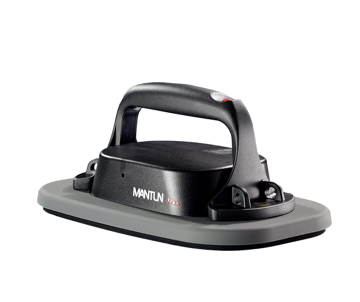
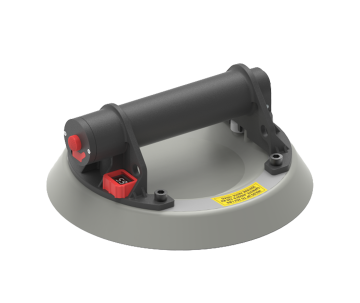
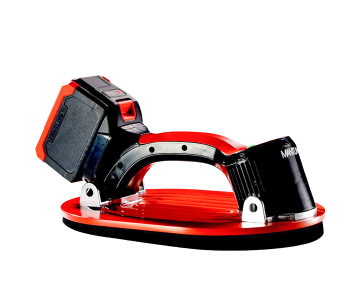













Aluminum Vacuum Suction Cup Working Principle and Key Components
Ever tried moving smooth metal sheets, only to watch them slip away like a banana peel on ice? Aluminum vacuum suction cups stop the chaos, but their “invisible grip” can feel like mysterious sci‑fi tech.
By understanding how vacuum, seals, and internal channels work together, you can choose safer, stronger aluminum suction cups and avoid dropped parts. For deeper guidance, see this OSHA material‑handling report.
1. 🔧 Basic working principle of aluminum vacuum suction cups
Aluminum vacuum suction cups grip smooth materials by removing air between the rubber pad and surface. This negative pressure forms a strong, reusable, and non-destructive temporary bond.
Operators use simple levers or pumps to quickly release or reapply suction, making these tools ideal for glass, tile, stone, and smooth metal handling tasks.
1.1 Formation of the vacuum zone
When you press the cup onto a surface and activate the handle, air escapes from the sealed chamber. The outside air then pushes the cup firmly against the material.
- Press cup flat on surface
- Engage lever or pump
- Air exits under the pad
- Atmospheric pressure locks it in place
1.2 Role of the elastic sealing ring
The rubber sealing ring molds to tiny surface irregularities. This flexible contact area prevents air leakage and keeps suction stable during lifting or positioning.
- Soft yet wear-resistant rubber
- Wraps around micro-scratches
- Maintains airtight contact
- Improves safety on vertical lifts
1.3 Function of the rigid aluminum body
The aluminum body spreads the load evenly and resists bending. It also holds the handles, pump, and other hardware in a light but strong frame.
| Feature | Benefit |
|---|---|
| Low weight | Reduces worker fatigue |
| High strength | Supports heavy panels |
| Corrosion resistance | Longer service life |
1.4 Manual release and quick reset
Release valves or levers let air back into the vacuum chamber. The cup detaches smoothly, allowing fast repositioning without scratching or chipping the workpiece.
- Press release button
- Air re-enters the chamber
- Suction drops to zero
- Tool lifts away cleanly
2. 🌀 How negative pressure creates stable suction on smooth surfaces
Negative pressure means the pressure under the cup is lower than the outside air. This pressure difference generates strong, even clamping force over the contact area.
With the right seal and clean surface, small pressure changes can safely hold very large glass, tile, or metal sheets for transport and installation.
2.1 Pressure difference and holding force
The holding force equals the pressure difference multiplied by the effective area of the suction pad. Larger pads with strong vacuums carry heavier loads.
| Pad Diameter | Typical Load* (kg) |
|---|---|
| 6 inch | 40–60 |
| 8 inch | 80–120 |
| Double / triple | 150–250 |
*Values vary by model, surface, and safety factor.
2.2 Sample load comparison bar chart
The following bar chart script compares approximate safe working loads for different aluminum vacuum suction cup types under controlled test conditions.
2.3 Importance of surface smoothness and cleanliness
Dust, oil, or rough textures break the seal and reduce suction. Always clean the pad and work surface before use, especially for overhead or vertical lifting.
- Wipe off dust and grit
- Remove oil and moisture
- Avoid cracked or porous areas
- Inspect for chips near edges
2.4 Monitoring vacuum level during use
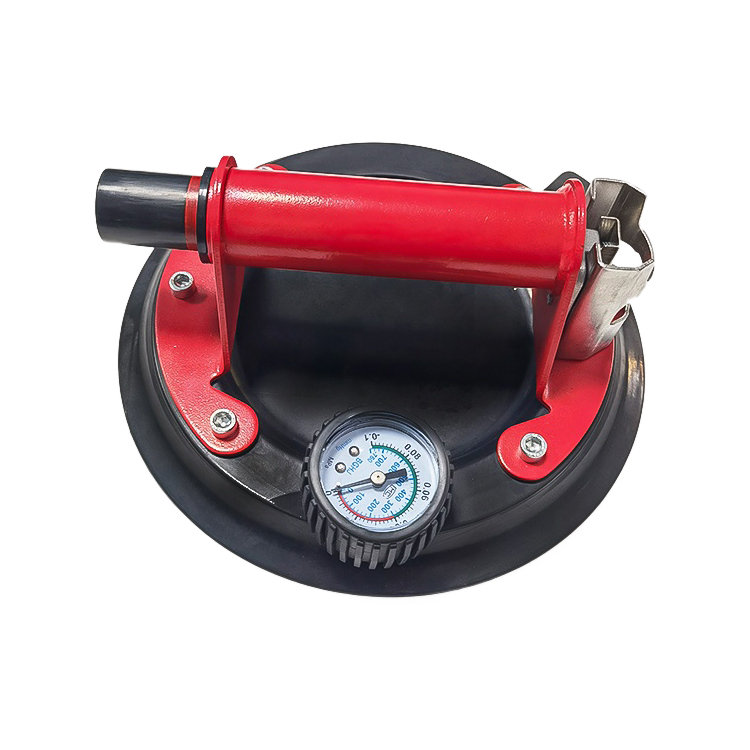
On pump-type cups, you should watch the pressure gauge. If the needle drops, quickly repump or lower the load to restore a safe vacuum level.
- Check gauge before lifting
- Re-pump when level declines
- Do not exceed rated load
- Stop work if leakage persists
3. 🏗️ Key structural components of aluminum vacuum suction cups
Every aluminum vacuum suction cup system combines a rigid frame, elastic pad, and operating mechanism to balance strength, safety, and user comfort.
Understanding each part helps you choose the right model for glass, tile, stone, or metal handling jobs on site or in workshops.
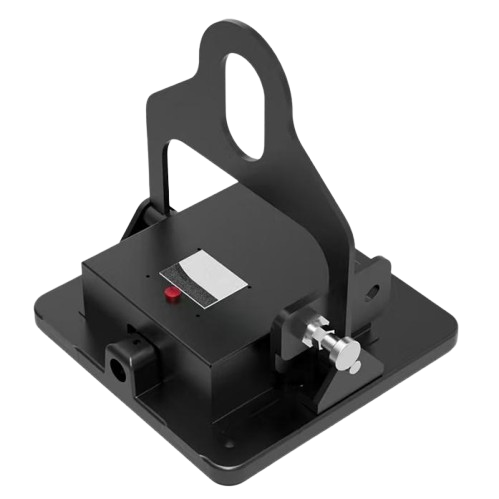
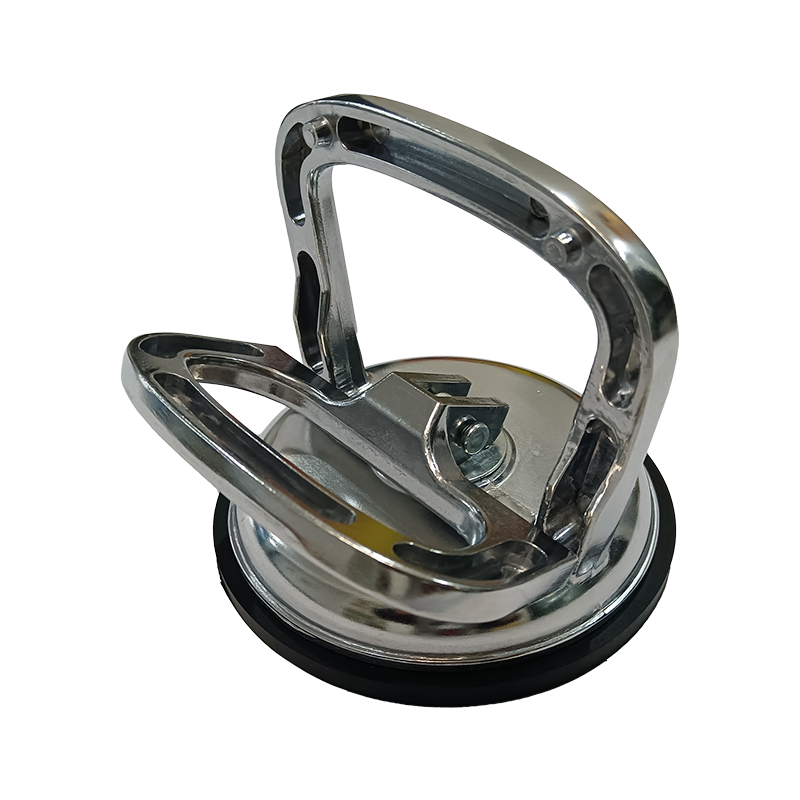
3.1 Aluminum frame and handle design
The frame supports the entire load and protects the vacuum chamber. Ergonomic handles allow two-handed control and reduce strain during long shifts.
| Part | Function |
|---|---|
| Main body | Distributes force |
| Handle | Safe manual control |
| Ribs | Increase stiffness |
3.2 Rubber suction pad and sealing lip
The pad creates the vacuum contact area. A soft sealing lip bends slightly to remove air gaps and protect delicate surfaces from scratches or cracks.
- High-friction rubber face
- Flexible outer lip
- Replaceable wear parts
- Resistant to aging and UV
3.3 Pump, lever, and valve mechanisms
Manual pumps or cam levers generate negative pressure, while valves control release. These moving parts need regular checks to ensure stable performance.
- Hand pump for precise vacuum
- Lever for quick actuation
- Check valve to prevent backflow
- Release button for fast detaching
4. 🛡️ Safety factors and load-bearing considerations in practical applications
Safe use depends on correct load ratings, clean surfaces, and regular inspection. Always follow manufacturer limits and apply proper safety factors.
In lifting work, choose higher capacity than needed and avoid shock loads, angle pulls, and sudden impacts that may break the vacuum.
4.1 Choosing the right safety factor
Many industries use at least a 2:1 or 4:1 safety factor. That means the rated capacity is far below the actual maximum holding force.
| Application | Typical Safety Factor |
|---|---|
| Manual handling | 2:1 |
| Overhead lifting | 4:1 or higher |
4.2 Operating angle and dynamic forces
Loads on vertical or tilted surfaces create shear forces. Move slowly, avoid sudden stops, and keep the load as close to the surface as possible.
- Limit swinging of panels
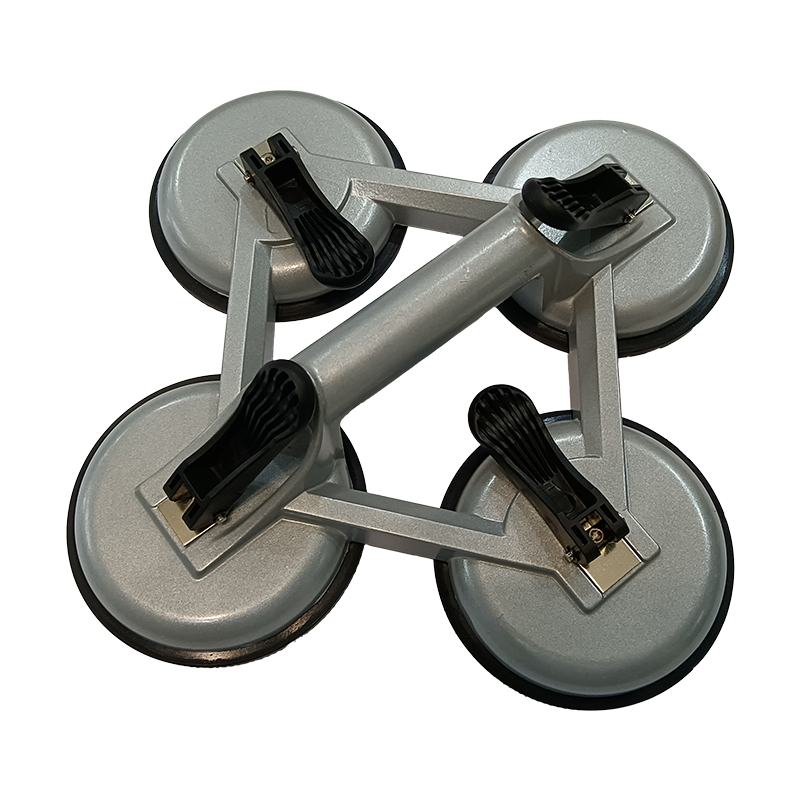
- Support large sheets with extra cups
- Use guides in windy outdoor areas
- Never exceed angle recommendations
4.3 Routine inspection and maintenance
Regular checks extend product life and reduce risk. Inspect seals, handles, gauges, and frames before every shift, and replace worn parts early.
- Check for cracks in rubber
- Look for bent or loose parts
- Test vacuum holding time
- Store clean and dry after use
5. 🏭 Recommended professional supplier: Fuyang Yigao Trading aluminum vacuum systems
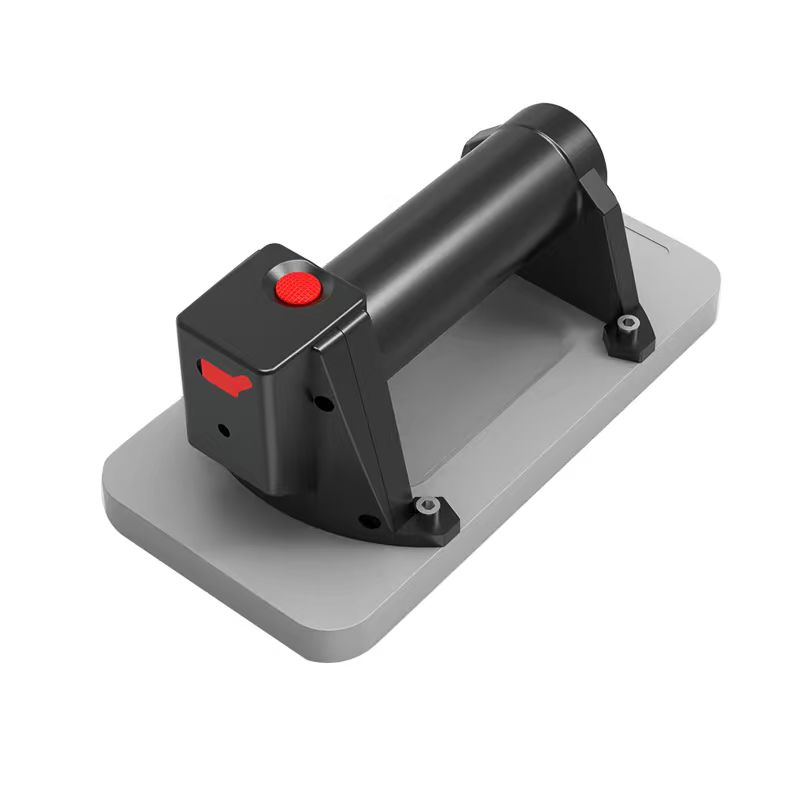
Fuyang Yigao Trading offers a wide range of aluminum vacuum suction cups designed for glass, tile, stone, and metal handling in demanding environments.
Their products focus on strong aluminum frames, reliable sealing materials, and user-friendly pump systems to improve both safety and efficiency.
5.1 Triple aluminum suction cups for tiles and glass
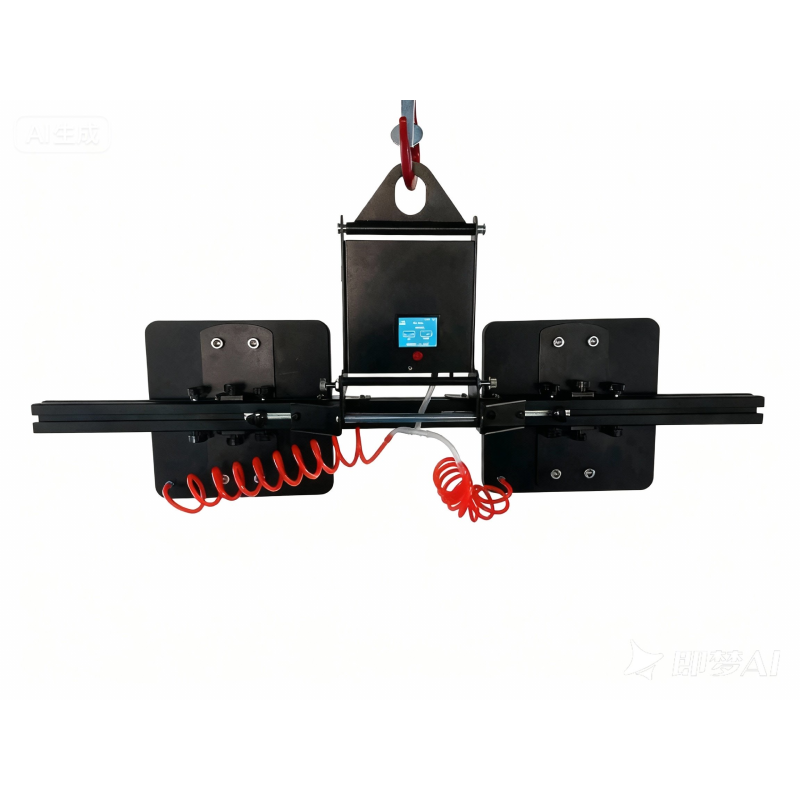
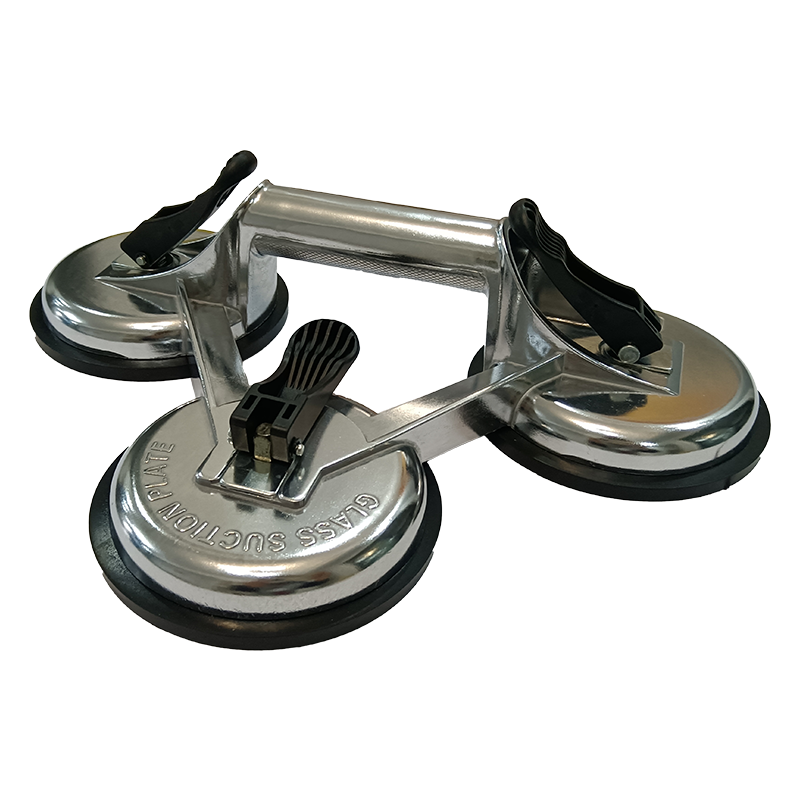
The Triple Aluminium Suction Cup Three Claw Tile Glass Moving Tools Heavy Duty Aluminum Alloy Vacuum Suction Cup uses three pads to spread the load, ideal for large glass and ceramic tile panels.
- Triple-point support for stability
- Aluminum body for durability
- Suitable for smooth tiles and glass
5.2 Heavy duty pump suction cups with gauges
The Heavy Duty Vacuum Suction Cup Manual Air Pump Suction Cup With Pressure Gauge Aluminum Alloy Suction Cup provides precise vacuum monitoring for higher-risk lifts and professional glass installation work.
- Built-in pressure gauge
- Manual pump for fine control
- Strong aluminum construction
5.3 8-inch hand-held vacuum lifters for versatile use
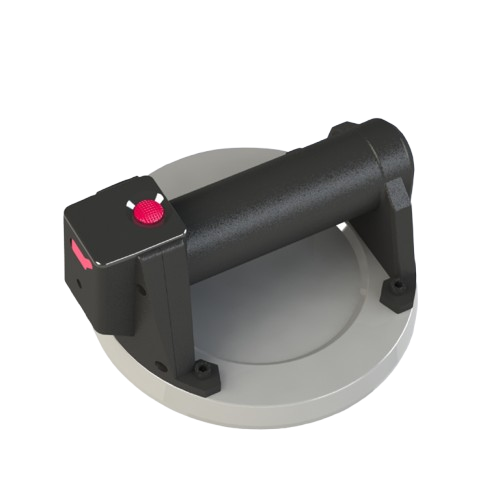
The 8inch 200mm Vacuum Hand-held Pump Suction Cup With Abs Handle For Glass Stone Slab Vacuum Lifter For Glass/stone/metal/tile , Glass Vacuum Sucker offers a large pad area and comfortable handle for daily site tasks.
- 200 mm pad for higher loads
- ABS handle for comfort
- Works on glass, stone, metal, tile
Conclusion
Aluminum vacuum suction cups use negative pressure and flexible seals to lift smooth panels safely. Their light but strong frames support efficient, repeatable material handling on job sites.
By understanding the working principle, key components, and safety rules, you can choose the right models and reduce risks in glass, tile, and stone operations.
Frequently Asked Questions about Aluminum Vacuum Suction Cup
1. How much weight can an aluminum vacuum suction cup safely lift?
Capacity depends on pad size, number of cups, vacuum level, and safety factor. Always follow the manufacturer’s rated load and never exceed it, especially for overhead lifting.
2. Can I use vacuum suction cups on rough or curved surfaces?
These tools work best on clean, smooth, and non-porous surfaces. Rough, dusty, or very curved areas reduce sealing and are not recommended for critical lifting tasks.
3. How often should I maintain or replace the rubber pad?
Inspect the pad before each use. Replace it when you see cracks, hardening, cuts, or loss of flexibility. Heavy industrial use may require more frequent replacement cycles.
Post time: 04-22-2026