

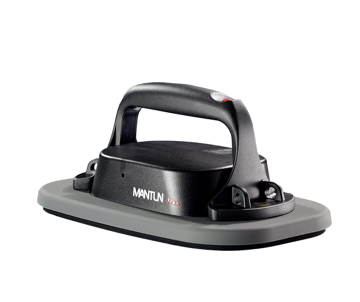
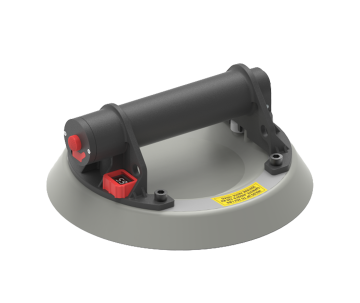
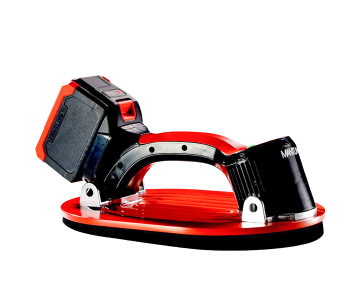

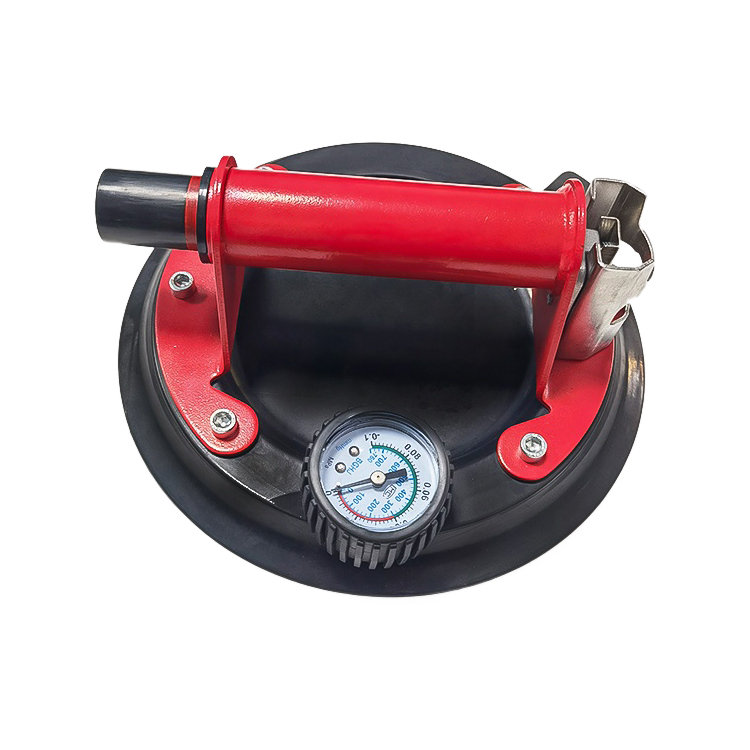
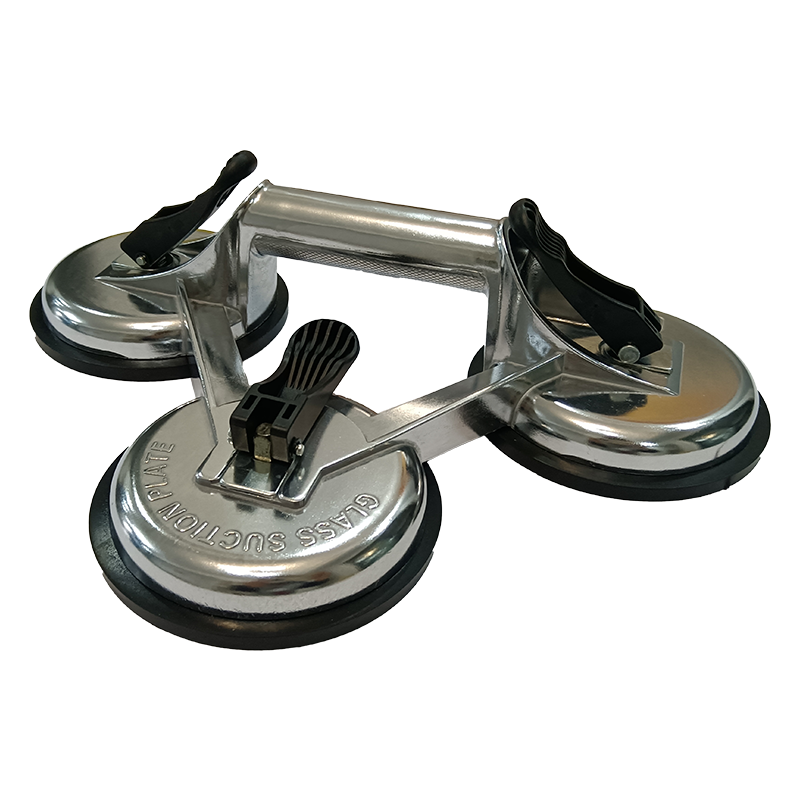

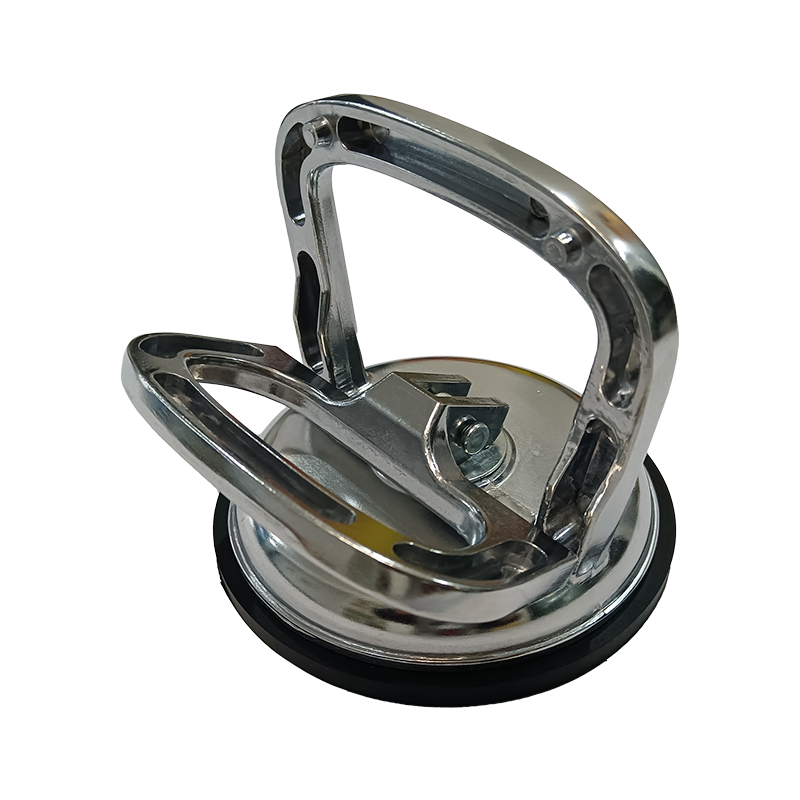
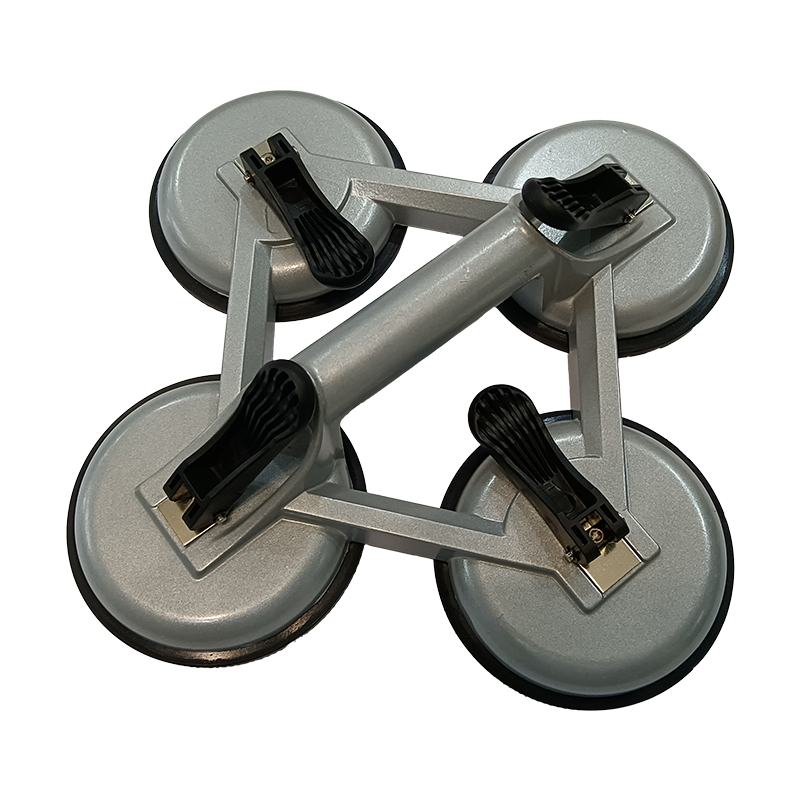


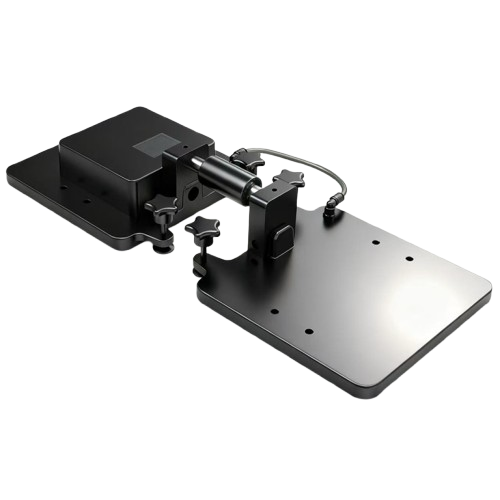









Electric Vacuum Suction Cup Working Principle and Key Components
Ever feel like your suction cups quit faster than you on a Monday morning, dropping parts, panels, and your patience all at once?
Understanding electric vacuum suction cup principles and components helps you pick reliable gear and cut accidents—just like this industrial safety guide shows: OSHA vacuum lifting systems report.
🔹 Basic Working Principle of Electric Vacuum Suction Cups in Lifting Tasks
Electric vacuum suction cups use a vacuum pump to remove air between the cup and workpiece. This creates negative pressure, allowing the cup to grip and lift heavy, flat materials safely.
When the pump runs, the pressure inside the cup drops below atmospheric pressure. The higher outside pressure then presses the workpiece tightly against the suction cup surface.
1. Negative Pressure Creation
The pump pulls air from the sealed chamber, forming a pressure difference. This negative pressure generates strong holding force for glass, stone, or metal plates.
- Fast evacuation of air
- Stable pressure level
- Continuous monitoring
2. Sealing and Surface Contact
The rubber lip fits closely to the workpiece surface. Good sealing keeps the vacuum level stable during lifting, tilting, and moving.
| Factor | Impact |
|---|---|
| Surface roughness | Affects leakage rate |
| Cup hardness | Affects grip comfort |
| Shape design | Affects contact area |
3. Load Transfer to the Frame
The suction force transfers through the cup body to the frame or handle. This allows operators to lift heavy panels with small manual effort.
- Rigid frame structure
- Balanced load points
- Reduced operator fatigue
4. Controlled Release of the Workpiece
When valves open, air quickly enters the cup. The vacuum disappears, and the workpiece separates smoothly without shock or surface damage.
- One-button release
- Adjustable release speed
- Safe panel placement
🔹 Core Components: Suction Cup, Pump, Seals, and Control Valves
Key components work together to create stable vacuum, hold the workpiece, and release it safely. Design quality directly affects lifting speed, safety, and service life.
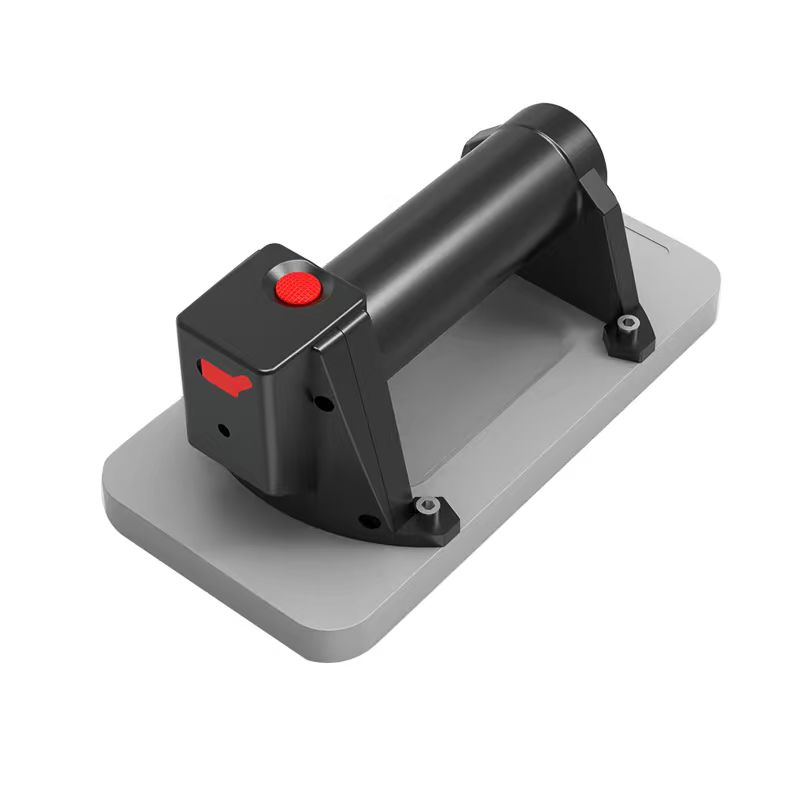
Optimized cup materials, reliable pumps, durable seals, and precise valves help tools like the YG4001 High flow vacuum sucker reach high performance levels.
1. Suction Cup Materials and Shapes
The cup’s rubber material and shape decide friction, sealing ability, and wear resistance. Soft edges seal better; firmer bodies resist deformation under load.
| Material | Features |
|---|---|
| NBR | Oil resistant, general use |
| Silicone | Soft, high flexibility |
| PU | High wear resistance |
2. Vacuum Pump and Power Unit
The electric pump defines vacuum level and evacuation speed. A strong pump shortens pick-up time and improves work efficiency in busy production lines.
- Rated vacuum pressure
- Flow rate (L/min)
- Noise and energy use
3. Seals, Gaskets, and Hoses
High-quality seals and hoses prevent leakage, keep vacuum stable, and lower maintenance needs. Their layout also affects flow resistance and response time.
- Heat and oil resistance
- Good flexibility
- Simple replacement design
4. Control Valves and Smart Monitoring
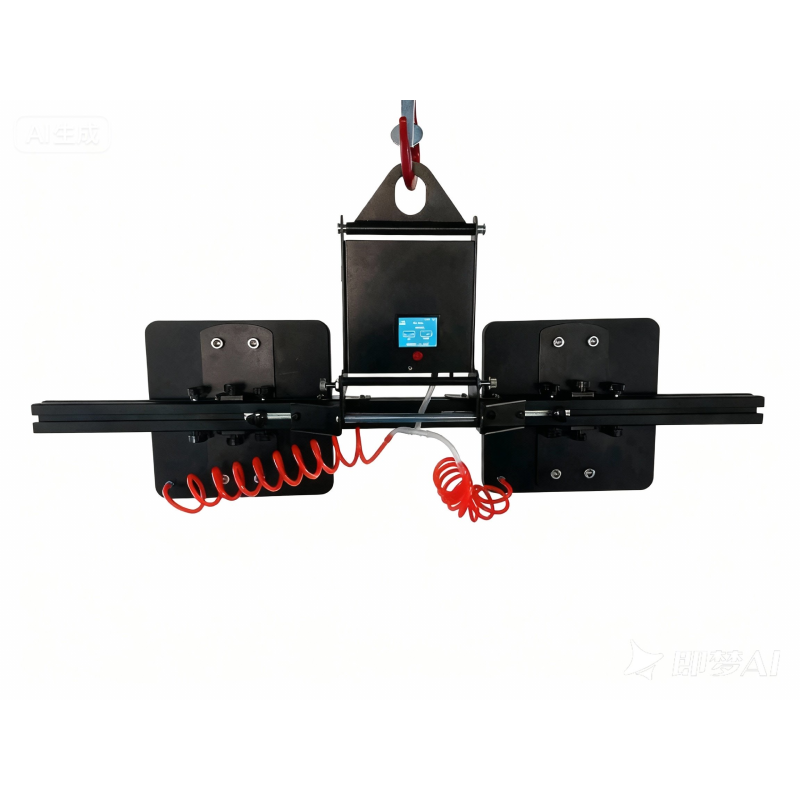
Valves regulate vacuum build-up and release. With sensors and displays, users can read pressure status and react quickly to any abnormal change.
🔹 How Vacuum Generation and Pressure Difference Ensure Stable Workpiece Holding
Vacuum generation, pressure difference, and friction work together to keep the workpiece fixed during lifting, rotation, and long-distance handling tasks.
Stable negative pressure and correct safety factors reduce drops, slipping, and surface damage even in demanding industrial environments.
1. Building and Maintaining Vacuum
The pump quickly lowers internal pressure, then keeps a steady value. Sensors track changes and trigger the pump when pressure starts to rise.
- Fast vacuum build-up
- Automatic pressure correction
- Alarm on low vacuum
2. Pressure Difference and Friction Force
Atmospheric pressure pushes the workpiece toward the cup. With enough contact area and friction, this force safely supports vertical and angled loads.
| Parameter | Role |
|---|---|
| Vacuum level | Defines holding force |
| Cup diameter | Defines contact area |
| Surface cleanliness | Affects friction |
3. Load Safety Factor and Operating Limits
Designers add a safety factor above the rated load. Operators should never exceed this value in daily work to avoid accidents.
- Follow rated load marks
- Consider dynamic forces
- Use extra support when needed
🔹 Safety Systems: Sensors, Alarms, and Anti-Drop Protection Design
Modern electric vacuum suction cups use sensors, alarms, and backup systems to prevent sudden drops and protect workers and materials.
These safety functions are critical when lifting glass, marble, or metal plates in construction, factories, and warehouse operations.
1. Vacuum Sensors and Real-Time Display
Pressure sensors read vacuum level in real time. The screen or indicator lets operators check system status before and during each lift.
- Digital pressure reading
- Low-pressure warning
- History of faults
2. Audible and Visual Alarms
If vacuum drops below a set point, the device triggers lights and buzzers. Workers can stop lifting and fix the problem at once.
| Alarm Type | Function |
|---|---|
| Light | Quick visual notice |
| Buzzer | Audible warning |
| Vibration (optional) | Alert in noisy areas |
3. Anti-Drop and Backup Design
Some models use non-return valves, reserve tanks, and dual circuits. These keep hold for a short time even during sudden power loss.
- Check valves stop backflow
- Extra vacuum tanks store energy
- Optional mechanical locks
🔹 Selection Tips and Application Cases from Fuyang Yigao Trading
Fuyang Yigao Trading offers different electric vacuum suction tools for glass installers, fabricators, and workshop users with varied load and size needs.
Choose products by workpiece weight, surface type, working angle, and required efficiency to achieve safe, fast handling.
1. Choosing the Right Model
For large, heavy panels, select high-flow units with strong frames. For small or narrow parts, pick compact, lightweight models with flexible layouts.
- Confirm maximum panel weight
- Check surface smoothness
- Review power supply limits
2. Representative Product Examples
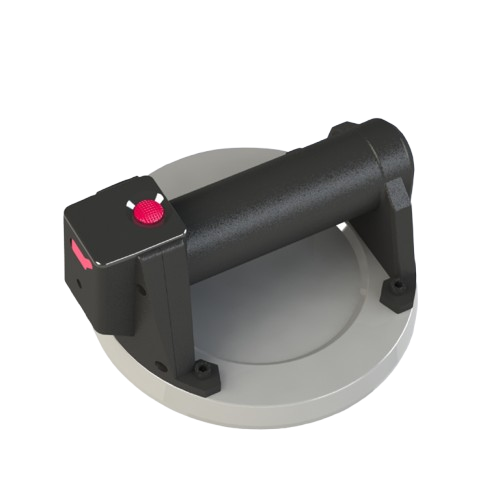
The YG2007 MINI strip Electric Vacuum Suction Cup fits narrow glass strips, while the YG2005-1 Single-head Electric Vacuum Lifter suits common glass and panel handling.
| Model | Main Use |
|---|---|
| YG2007 MINI | Window strips, small glass |
| YG2005-1 | General panel lifting |
| High-flow types | Heavy, large plates |
3. Typical Application Scenarios
Users apply these tools in building glazing, home decoration, workshop panel assembly, stone processing, and logistics centers for fast, safe material movement.
- Glass curtain wall installation
- Kitchen and bathroom decoration
- Metal and stone plate transfer
Conclusion
Electric vacuum suction cups use controlled negative pressure to lift and move panels safely. Core parts like cups, pumps, seals, and valves work together to keep stable holding force.
With proper selection, regular checks, and built-in safety systems, they improve efficiency, lower labor strength, and reduce damage during glass, stone, and metal handling tasks.
Frequently Asked Questions about Electric Vacuum Suction Cup
1. What surfaces are suitable for electric vacuum suction cups?
They work best on smooth, flat, and clean surfaces like glass, polished metal, and sealed stone. Rough, porous, or dusty surfaces may reduce vacuum holding force.
2. How often should I check seals and suction cups?
Check the rubber cups and seals before each workday. For frequent use, inspect in detail at least once a week and replace worn or cracked parts in time.
3. Can I use these tools for overhead lifting?
Yes, but only within rated load, with all safety systems active. Follow local lifting rules, use trained operators, and never stand under the suspended load.
4. What should I do if the alarm sounds during lifting?
Stop moving, lower the load carefully to a safe place, and check for air leaks, damaged seals, blocked filters, or power problems before using again.
5. How do I choose the right vacuum level and cup size?
Base choice on workpiece weight, size, and surface type. Larger cups and higher vacuum levels give stronger holding force, but always keep a proper safety margin.
Post time: 06-04-2026