

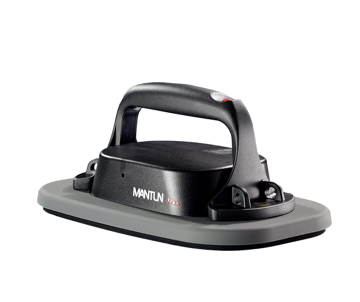
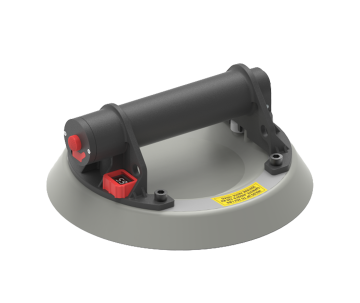
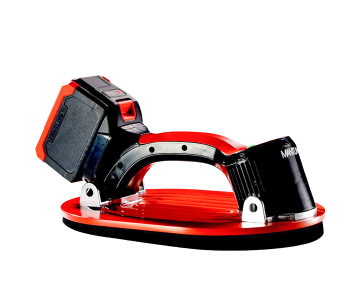

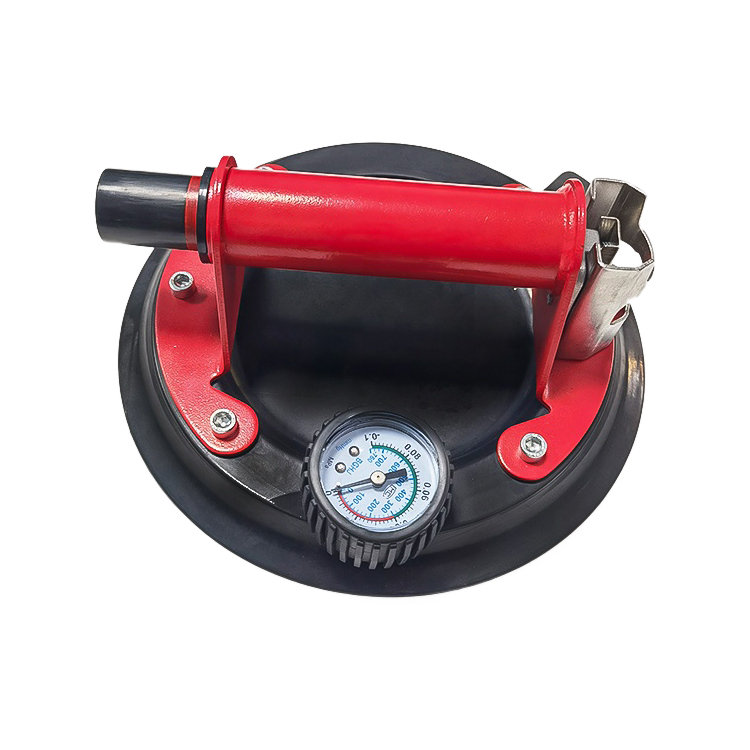













Electric Battery Vacuum Suction Lifter Complete Guide 2026
You wrestle with heavy glass and panels like they’re angry refrigerators, praying the suction cups don’t quit mid‑lift, while your back files daily complaints and your toolbox looks one power tool short of a miracle.
Electric battery vacuum suction lifters fix this chaos by gripping securely, lifting smoothly, and saving your spine—backed by safety research in material handling from the U.S. OSHA ergonomics reports, guiding safer, smarter lifting in 2026 and beyond.
🔋 Overview of Electric Battery Vacuum Suction Lifters and Core Components
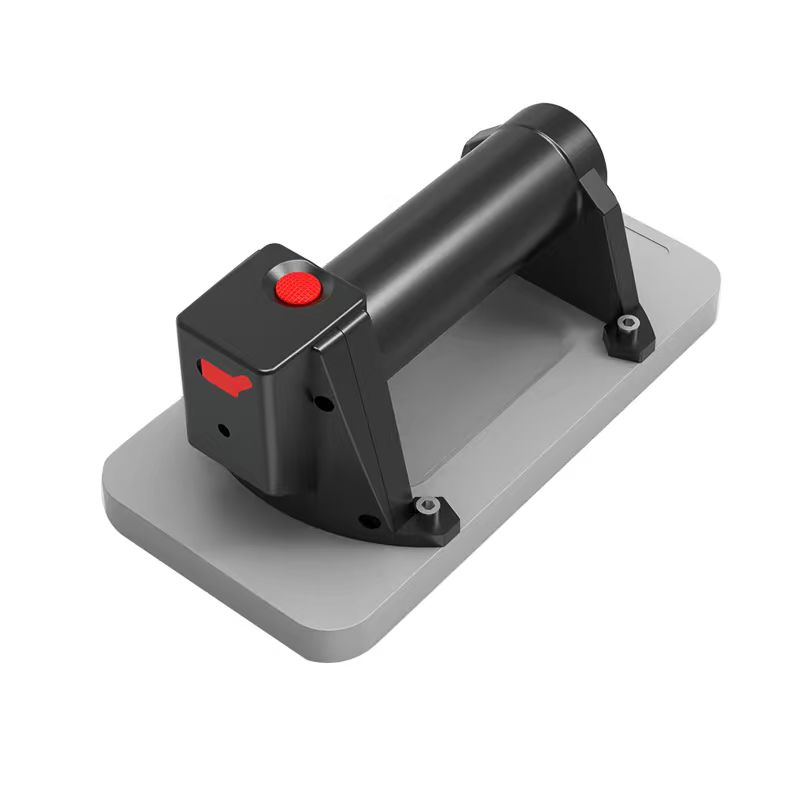
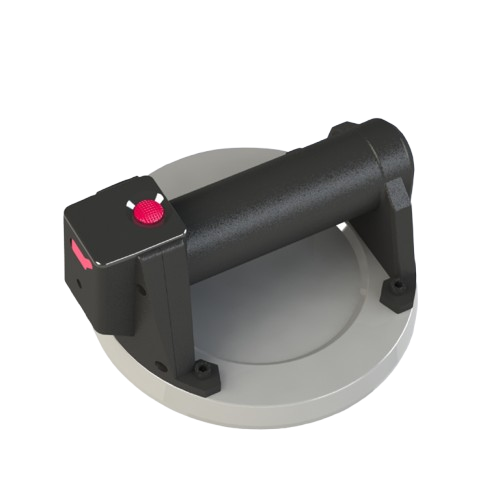
Electric battery vacuum suction lifters use powered pumps and sealed pads to grip heavy panels. They improve handling safety, speed, and precision across workshops and job sites.
In 2026, compact battery systems, stronger pads, and smart sensors make lifting smoother, even with large glass, stone, or metal sheets.
1. Main Structural Components
The frame, handle, and vacuum pads work together to support the load and keep it stable during movement and rotation.
- Steel or aluminum frame
- Ergonomic handle or crossbar
- Interchangeable suction pads
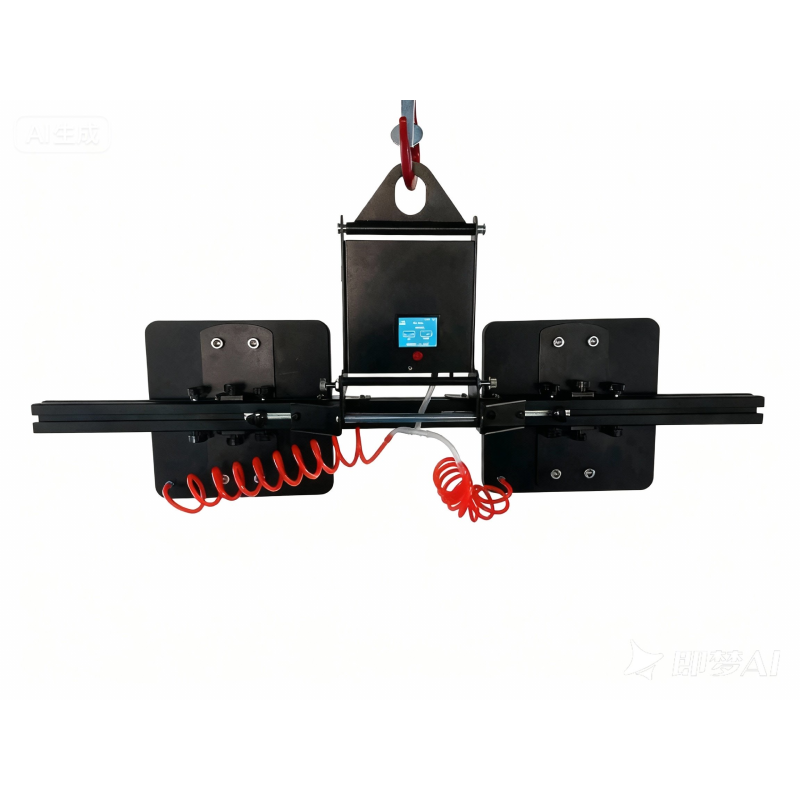
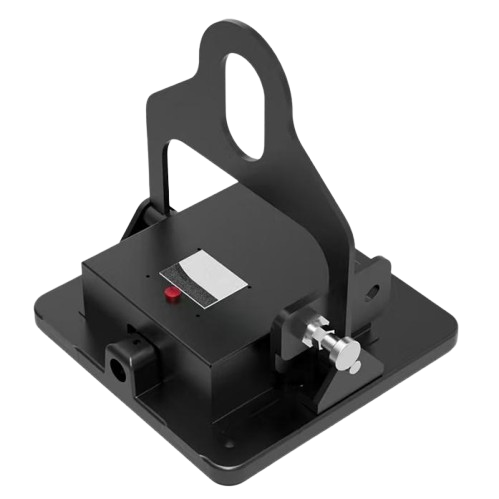
- Hooks and eye bolts for cranes
2. Vacuum Pump, Seals, and Control Valves
The vacuum pump removes air, seals keep pressure stable, and valves let operators release or hold the load quickly.
| Part | Function |
|---|---|
| Pump | Creates negative pressure |
| Seals | Prevent air leaks |
| Valves | Control suction and release |
3. Battery, Charger, and Power Management
High‑capacity lithium batteries support long shifts, quick charging, and stable suction performance even under high load.
- Battery status indicators
- Over‑charge protection
- Fast plug‑in replacement packs
4. Digital Sensors and Safety Alarms
Many 2026 models use sensors to monitor vacuum level, pad contact, and tilt angle, then send alarms if something goes wrong.
- Low vacuum alarms
- Overload warnings
- Tilt or drop detection
🧱 Key Applications in Glass, Stone, Metal Panels, and Construction Sites
Electric vacuum lifters handle large, smooth materials with fewer workers and less damage. They are now standard tools in glass, facade, and interior projects.
They also help move stone slabs, insulation boards, and coated metal panels safely in factories and on busy construction sites.
1. Architectural and Automotive Glass Handling
From windows to vehicle windshields, suction lifters reduce breakage and speed up precise positioning on frames and facades.
- Curtain wall installation
- Interior glass partitions
- Automotive glass repair
2. Stone Slabs, Tiles, and Countertops
Granite and marble slabs are heavy and fragile. Vacuum lifters move and rotate them smoothly during cutting, polishing, and fitting.
| Material | Typical Thickness | Handling Need |
|---|---|---|
| Granite | 20–30 mm | High load capacity |
| Marble | 20–30 mm | Shock reduction |
| Ceramic tile | 8–12 mm | Accurate placement |
3. Metal Panels, Sandwich Boards, and Roofing
Vacuum lifters grip coated steel, aluminum, and sandwich panels without clamps, protecting the surface finish during facade or roof work.
- Steel and aluminum sheets
- Insulated wall panels
- Roof deck installation
4. Construction Sites and Prefabricated Modules
On modern job sites, lifters move doors, prefabricated walls, and large boards, cutting manual lifting risks and project delays.
⚙️ Safety Features, Load Limits, and Daily Operation Best Practices
Safe lifting depends on matching load limits, checking pads, and following clear operating steps before every lift cycle.
Operators should read manuals, wear PPE, and never exceed rated capacity, even when equipment seems strong enough.
1. Understanding Rated Load and Surface Conditions
Always confirm the rated capacity, number of pads, and material surface before lifting any panel or slab.
| Factor | Check Before Use |
|---|---|
| Load weight | Below rated limit |
| Surface | Clean, flat, dry |
| Pad contact | Full and even |
2. Built‑In Safety Systems
Modern lifters include alarms, non‑return valves, and backup systems that hold the load during short power loss.
- Visual and sound alarms
- Anti‑drop vacuum tanks
- Emergency release controls
3. Daily Operation Checklist
Before each shift, inspect the pads, test vacuum build‑up, and confirm battery level and alarm function.
- Inspect pads for cuts or wear
- Wipe dust or oil from surfaces
- Record checks in a logbook
🛠️ Maintenance, Battery Care, and Troubleshooting Common Performance Issues
Planned maintenance extends pad life, keeps vacuum strong, and reduces costly downtime on busy projects.
Battery care and basic troubleshooting let crews solve minor issues on site without long delays.
1. Routine Cleaning and Pad Replacement
Keep pads clean and replace them when grooves fade, rubber hardens, or visible cracks appear.
- Use mild, non‑oil cleaners
- Avoid sharp tools on pads
- Follow maker’s replacement cycles
2. Battery Charging and Storage
Charge batteries with approved chargers, avoid full discharge, and store packs in a cool, dry place.
| Tip | Benefit |
|---|---|
| Partial charging | Longer battery life |
| Dry storage | Prevents corrosion |
| Monthly checks | Stable capacity |
3. Fixing Weak Suction and Alarm Issues
If suction feels weak, check for leaks, pad damage, dirty filters, or low battery, then test again under load.
- Inspect hoses and joints
- Clean or change filters
- Reset and test alarms
🏗️ Selection Guidelines and Why Choose Fuyang Yigao Trading Solutions
Choosing the right electric vacuum lifter depends on load weight, surface type, work angle, and planned site conditions.
Fuyang Yigao offers focused solutions for glass, stone, and metal handling with strong technical support.
1. Matching Models to Real Loads
Define your maximum sheet size, thickness, and handling angle before you select a specific model or pad layout.
| Need | Recommended Focus |
|---|---|
| Small to mid glass | Y1689 8inch Electric Vacuum Suction Cup |
| General panel lifting | YG2003 electric vacuum sucker |
| High‑flow heavy loads | YG4001 High flow vacuum sucker |
2. Benefits of Working with Fuyang Yigao
Fuyang Yigao Trading offers tested products, fast response, and clear technical documents for international customers.
- Wide model range
- Custom pad layouts
- After‑sales and spare parts
3. Planning for Future Expansion
When planning for 2026 and beyond, consider modular systems and battery upgrades that scale with new projects.
- Expandable pad frames
- Shared battery platforms
- Digital monitoring options
Conclusion
Electric battery vacuum suction lifters are now essential for safe, fast movement of glass, stone, metal, and panels. Smart designs and long‑lasting batteries support demanding, all‑day use.
By respecting load limits, following daily checks, and choosing suitable Fuyang Yigao models, teams can lift more with fewer injuries and less material damage.
Frequently Asked Questions about Electric Battery Vacuum Suction Lifter
1. What surfaces work best with electric vacuum suction lifters?
They work best on flat, smooth, non‑porous surfaces such as glass, polished stone, metal sheets, and sealed panels. Rough or porous materials reduce suction strength.
2. How long can the battery run on a single charge?
Run time depends on model and load, but many units offer several hours of active use per charge when used with proper surface preparation and sealing.
3. Can one lifter handle both glass and stone?
Yes, many units can handle both if the pads and capacity match. Always check the manual for allowed materials and weight limits before lifting.
4. How often should I replace suction pads?
Replace pads when grooves fade, the rubber hardens, or damage appears. In heavy, daily use, plan close inspection every few weeks.
5. Do I need special training to operate these lifters?
Basic training is strongly recommended. Operators should learn start‑up checks, correct positioning, emergency procedures, and safe communication during lifting operations.
Post time: 02-24-2026