













Complete Guide to Cordless Vacuum Suction Cup for New Users
Still wrestling with dust bunnies while your “high-tech” vacuum just wheezes loudly and quits near the couch? This guide to cordless vacuum suction cups is for every newbie who’s tired of fake power and real back pain.
We’ll show you how proper suction, smart design, and easy attachments actually clean your floors, not just scare the dust. Backed by research on indoor dust and health from the U.S. Environmental Protection Agency, you’ll finally know what really works.
🧹 Understanding Cordless Vacuum Suction Cup Structure and Working Principles
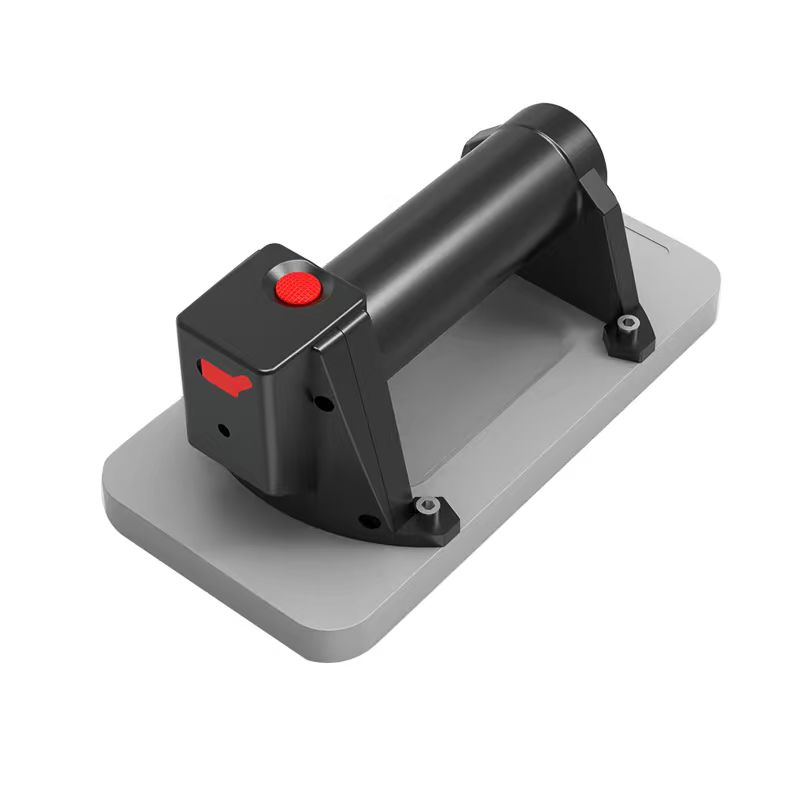
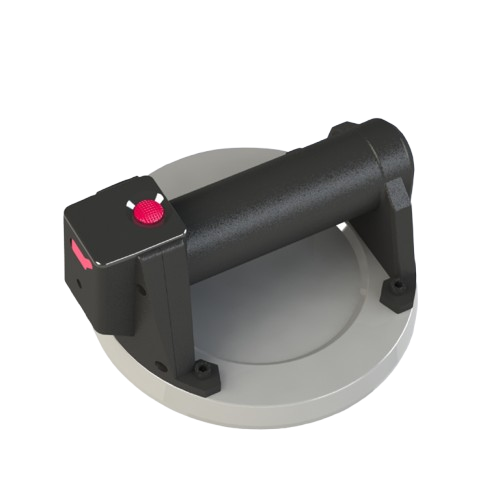
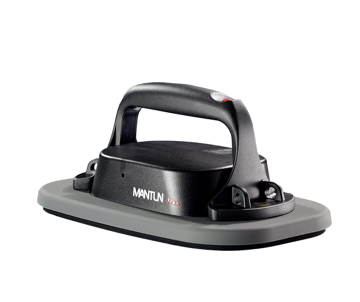
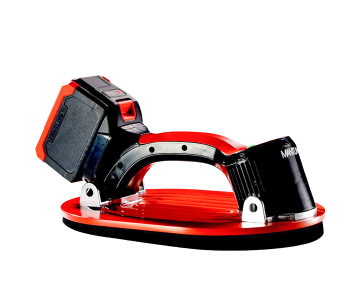
Cordless vacuum suction cups use battery power to create strong negative pressure. This lets you lift glass, tiles, stone, and metal safely without cables or manual pumps.
They combine a sealed silicone or rubber pad with a compact motor. When the motor runs, it removes air under the pad and forms a secure, load‑bearing grip on flat surfaces.
1. Main Components of a Cordless Vacuum Suction Cup
Core parts are simple and easy to understand, which helps new users inspect and maintain the tool with confidence and better safety.
- Motor unit and rechargeable battery
- Vacuum pump and air channel
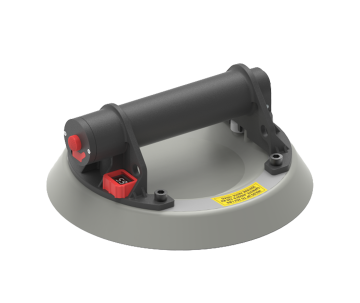
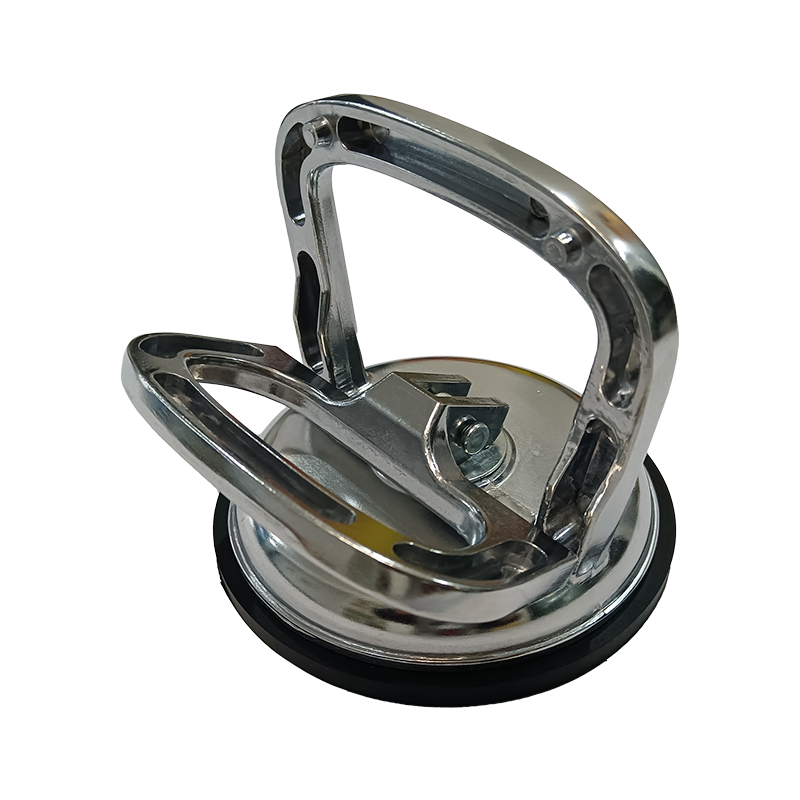
- Sealing pad or Silicone Suction Cup To Lift Large Glass, Marble, Tiles, Pump Active Vacuum For Heavy Lifting Glass Vacuum Silicone Sucker
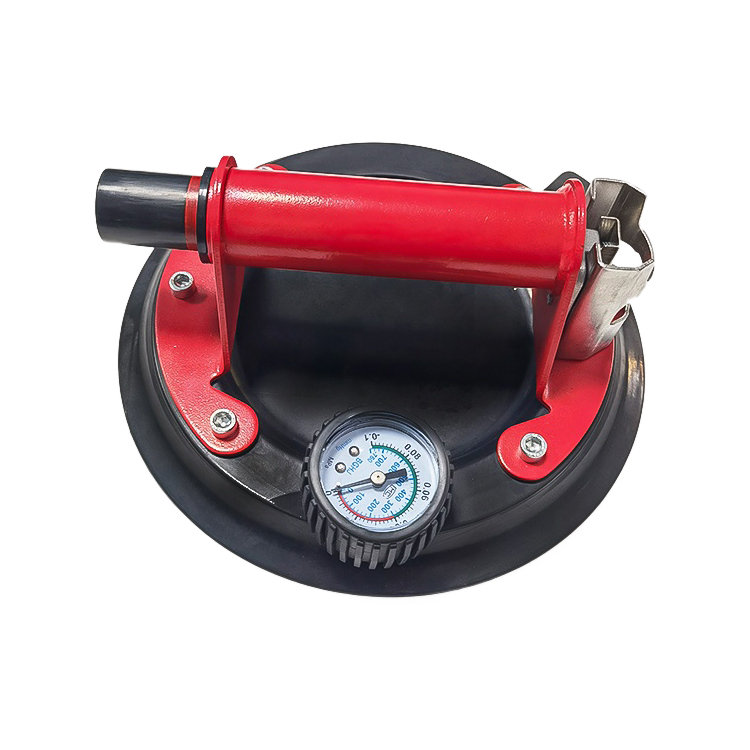
- Pressure indicator and release valve
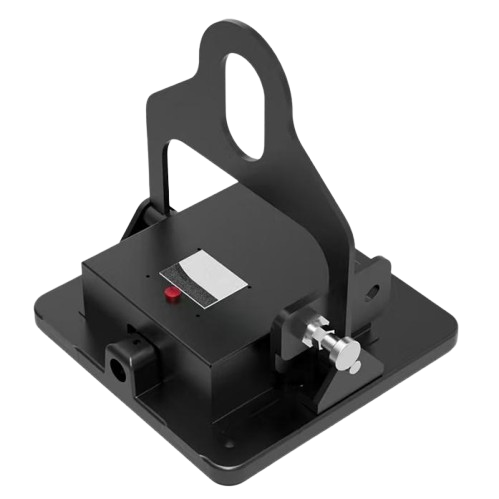
- Handle or grip frame
2. How Negative Pressure Creates Strong Holding Power
The tool removes air between the pad and surface, so outside air presses the pad tightly against the material and creates strong, even holding force.
| Stage | What Happens |
|---|---|
| Contact | Pad touches clean, flat surface |
| Pumping | Air is drawn out from under the pad |
| Locking | Outside air pushes pad tight to the load |
| Release | Valve lets air back in and grip drops |
3. Materials and Surface Compatibility
Modern suction cups work well on smooth, non‑porous materials. Matching pad type to surface improves safety, grip strength, and tool life.
- Tempered and laminated glass panels
- Polished marble and granite slabs
- Ceramic tiles and metal sheets
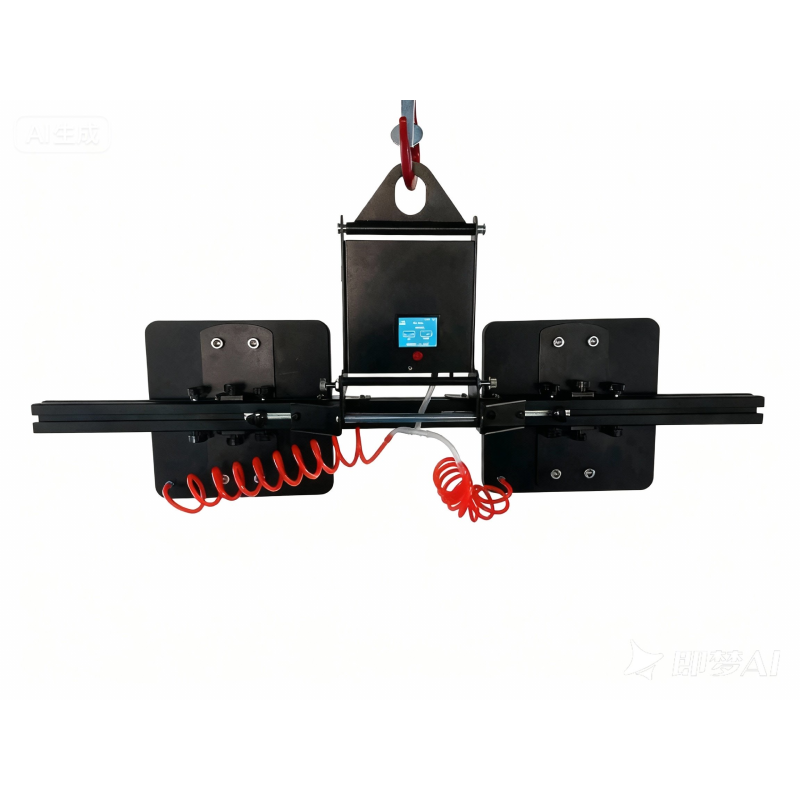
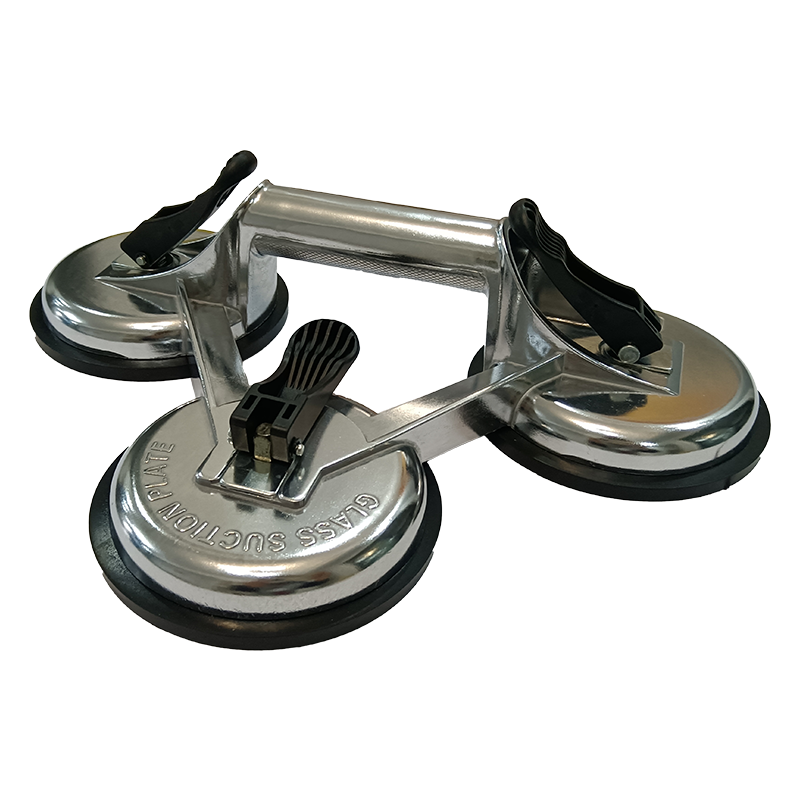
- Use a Triple Aluminium Suction Cup Three Claw Tile Glass Moving Tools Heavy Duty Aluminum Alloy Vacuum Suction Cup for wide loads
4. Cordless Design Benefits for New Users
Cordless units remove power cables, reduce tripping risk, and make handling easier in tight spaces, especially during home renovation or glass replacement jobs.
- Quick setup and mobile use
- Less clutter on floors and scaffolds
- Better reach for high or narrow areas
- Fast learning curve for first‑time users
🔧 Step-by-Step Installation and Removal Instructions for Suction Cup Attachments
New users should follow a simple, repeatable process. Clean surfaces, check seals, engage the pump, and test the hold before moving any heavy object.
Careful removal is just as important. Release vacuum slowly, support the material at all times, and store the cordless suction cup in a dry, protected place.
1. Pre‑Use Inspection and Surface Cleaning
Always inspect the tool before use. A few quick checks greatly lower the risk of slipping or sudden release during lifting tasks.
- Check pad for cuts, dust, and oil
- Wipe glass, tile, or stone until dry
- Confirm battery level is sufficient
- Ensure pressure gauge or indicator is readable
2. Correct Positioning and Vacuum Activation
Place the pad flat on the target surface, keep it centered, then start the pump until the indicator shows full and safe vacuum level.
| Step | Action |
|---|---|
| 1 | Align pad on clean, flat area |
| 2 | Press gently to remove loose air |
| 3 | Start pump or trigger switch |
| 4 | Wait until vacuum indicator is stable |
3. Lifting, Moving, and Adjusting the Load
Once vacuum is stable, lift slowly, keep movements smooth, and avoid shocks or twisting pulls that could break the seal.
- Use two hands on wide or heavy panels
- Walk, do not rush or run
- Keep load close to your body
- Ask for help on large glass sheets
4. Safe Vacuum Release and Storage
Support the object fully before releasing vacuum. Then store your cordless unit dry and clean to protect seals and batteries.
- Place the load on a stable base first
- Open release valve slowly
- Wipe pad dry and dust‑free
- Charge battery and keep in cool place
🏠 Best Cleaning Scenarios Where Suction Cup Accessories Perform Efficiently
Cordless vacuum suction cups help you hold and move panels, tiles, and slabs so you can clean, polish, or seal them more safely and easily.
They also stabilize slippery items during washing or detailing work, reducing fatigue and improving finish quality for both DIY users and professionals.
1. Window, Shower Screen, and Glass Door Cleaning
Attach the suction cup to large glass panels to steady them while you clean edges, corners, and hardware on high or awkward areas.
- Holds glass while you scrape old film
- Makes top edges easier to wipe
- Reduces risk of sudden panel movement
2. Tile, Marble, and Stone Surface Care
Use a cordless pad or an 8inch 200mm Vacuum Hand-held Pump Suction Cup With Abs Handle For Glass Stone Slab Vacuum Lifter For Glass/stone/metal/tile , Glass Vacuum Sucker to grip heavy slabs during cleaning.
| Surface | Typical Task |
|---|---|
| Countertops | Deep cleaning and polishing edges |
| Floor tiles | Lifting damaged pieces for replacement |
| Wall slabs | Holding panels while sealing joints |
3. Car Detailing and Appliance Cleaning
Suction cups can steady panels, glass, and metal covers while you wash, wax, or remove parts from vehicles and household appliances.
- Support car glass while cleaning seals
- Hold panels during polishing
- Assist in safe removal of large covers
⚠️ Common New-User Mistakes and Safety Tips for Suction Cup Operation
New users often skip cleaning or overload the tool. Learn to avoid these mistakes to keep both your materials and your body safe.
Follow weight ratings, inspect pads, and never lift people with suction devices. Good habits from the start protect your gear and your work.
1. Ignoring Surface and Pad Cleanliness
Dirt, dust, or oil reduces grip and can cause sudden release. Always clean both the pad and the working surface before each lift.
- Avoid greasy rags and harsh chemicals
- Use lint‑free cloths on glass
- Inspect pad for cracks every session
2. Overloading and Poor Weight Distribution
Going beyond the rated load is dangerous. Plan your lift path and use extra cups or helpers when handling wide or heavy panels.
| Mistake | Safer Practice |
|---|---|
| Lifting near or above max load | Stay well under rated capacity |
| Using one cup on a long panel | Use multiple cups along the length |
| Twisting pulls | Lift straight and move smoothly |
3. Skipping Regular Checks and Battery Care
Weak batteries and worn seals reduce performance. Schedule quick checks so your cordless suction cup is always ready when needed.
- Charge battery after each workday
- Replace pads that stay deformed
- Test vacuum hold before every lift
✅ Why Fuyang Yigao Trading Cordless Suction Cup Design Suits First-Time Users
Fuyang Yigao designs simple, reliable suction tools that help first‑time users feel confident, even during heavy glass or stone handling tasks.
Clear indicators, sturdy handles, and quality seals support safe, repeatable use in home projects, workshops, and small construction sites.
1. User-Friendly Controls and Indicators
Buttons, triggers, and gauges are laid out for quick learning. New users can see vacuum status at a glance and react fast if needed.
- Intuitive on/off or trigger switches
- Easy‑to‑read vacuum indicators
- Ergonomic grips for better control
2. Robust Construction with Practical Features
Durable materials, reinforced handles, and tested pads help reduce failures. This gives beginners more room for learning and improvement.
| Feature | Benefit for New Users |
|---|---|
| Strong frames | Resist bending under heavy loads |
| Quality seals | Hold vacuum for longer periods |
| Clear manuals | Faster, safer startup and training |
3. Versatile Range for Different Tasks
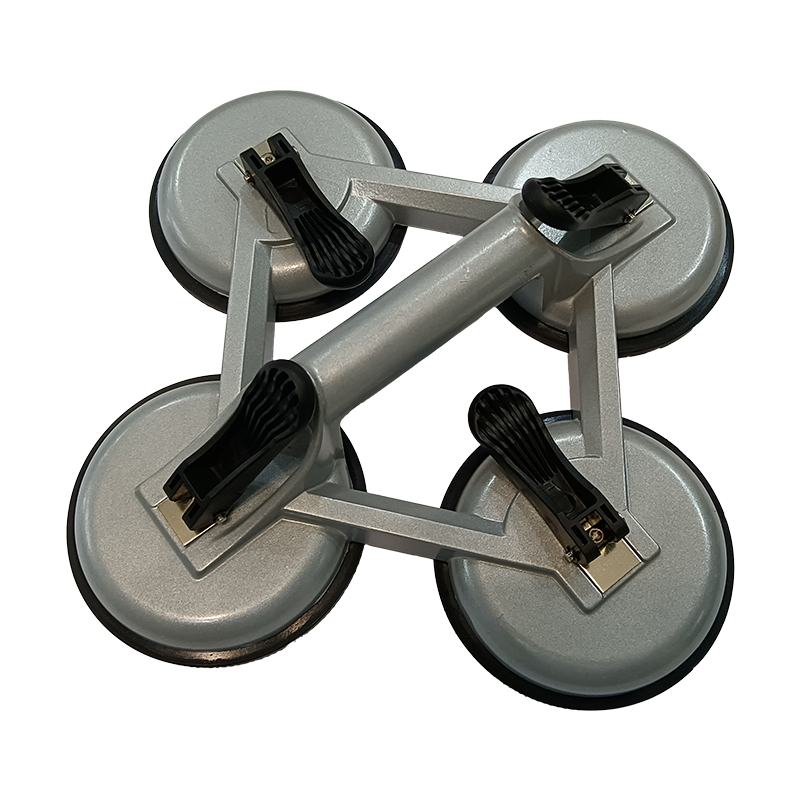
From basic cordless cups to multi‑claw tools, you can choose models that match your glass, tile, or stone jobs at home or on site.
- Options for small and large panels
- Tools for flat and slightly curved surfaces
- Models sized for DIY and professional use
Conclusion
Cordless vacuum suction cups give new users a safer, easier way to lift and clean glass, tiles, and stone. By understanding structure, setup steps, and limits, you reduce risk and improve results.
Choose well‑designed tools, keep pads clean, and respect load ratings. With steady practice, you will handle large, fragile panels with far greater confidence.
Frequently Asked Questions about Cordless Vacuum Suction Cup
1. Can I use a cordless vacuum suction cup on rough or painted walls?
No. These tools work best on smooth, non‑porous surfaces such as glass, polished tile, stone, and metal. Rough or flaky paint can break the seal and cause slipping.
2. How long can a cordless suction cup safely hold a load?
Holding time depends on seal quality, surface condition, and model. Always follow the maker’s guide, check the vacuum indicator often, and never leave loads hanging unattended.
3. Do I need more than one suction cup for large glass panels?
Yes. Large or wide panels should use multiple suction cups or multi‑claw tools. This spreads the weight, improves balance, and makes handling safer and easier.
4. How should I clean and maintain the suction pad?
Wipe the pad with mild soap and water, then let it dry fully. Avoid solvents, sharp tools, and rough scrubbing that may damage the sealing edge.
5. What should I do if the vacuum indicator drops during lifting?
Support the load immediately on a safe base. Once the weight is secure, check for dirt, surface defects, pad damage, or low battery before using the tool again.
Post time: 03-04-2026