

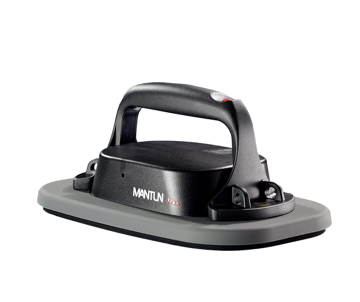
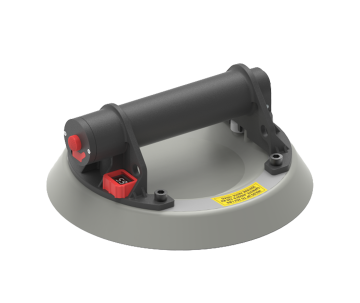
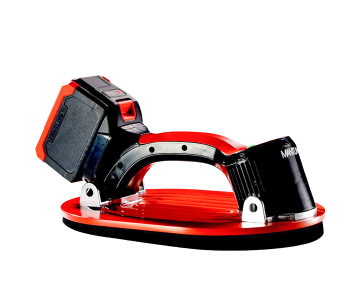

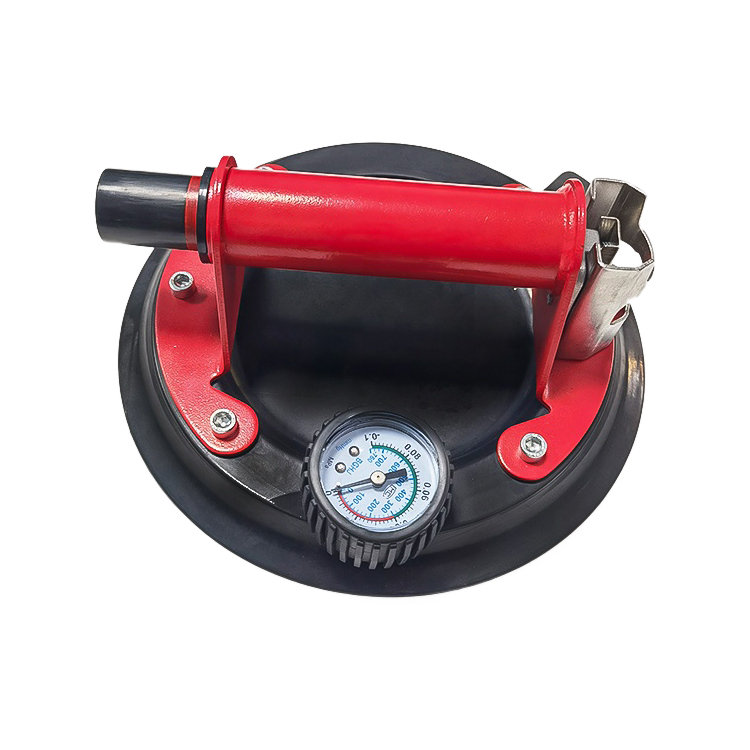











Электр пыяла сорау кубогы куркынычсызлык стандартлары буенча ак кәгазь
Гигант пыяла панельне эскиз сорау касәсе белән тигезләү, аз бюджетлы фильмда роль уйнаган кебек тоела, икеләтә һәм куркыныч түләү.
This white paper turns chaos into control, guiding safer gear choices with clear standards (seeОША пыяла эшкәртү отчеты).
1. electric Электр пыяла сорау касәсенең куркынычсызлык кагыйдәләре һәм җитешсезлекләре
Global safety rules for electric glass suction cups remain scattered. Many sites use mixed local standards, leaving gaps in load testing, emergency alarms, and inspection frequency.
This white paper reviews current codes, highlights missing rules, and offers a roadmap to guide safer design, purchase, and use across glass lifting projects.
1.1 Fragmented national and regional standards
Many regions adapt crane and manual lifter rules for electric cups. This creates uneven safety levels and confusion for cross-border suppliers and contractors.
- No unified electric vacuum category
- Different load factors and test cycles
- Unequal rules for alarms and power loss
1.2 Lack of clear lifecycle maintenance rules
Most codes speak about design, but few define seal life, pump overhaul periods, or traceable maintenance logs for daily on-site work.
| Element | Typical Gap |
|---|---|
| Seals | Туры алыштыру интервалы юк |
| Pumps | No cycle-based overhaul rule |
| Logs | Paper only, not audited |
1.3 Inconsistent operator training requirements
Some markets require formal training for vacuum lifters, while others allow untrained workers to lift large glass panels with minimal instruction.
- Different training hours
- Стандарт осталык исемлеге юк
- Very limited refresh courses
1.4 Технология стандартлардан тизрәк хәрәкәт итә
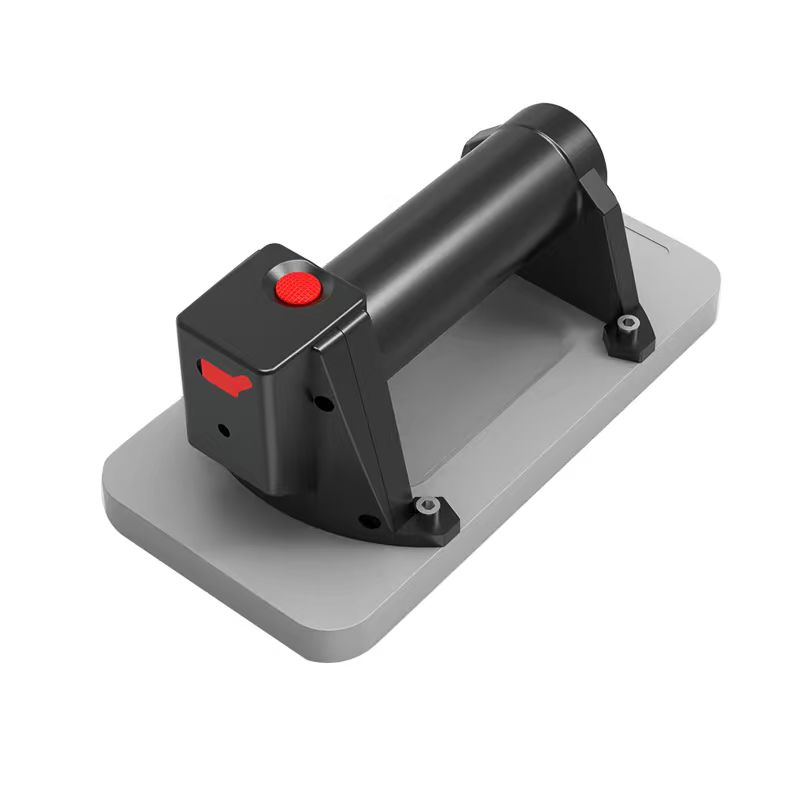
Smart sensors, battery systems, and digital controls outpace rule updates. Products like theYG2005-1 Single-head Electric Vacuum LifterКуркынычсызлык электроникага ничек бәйле икәнен күрсәт.
2. ⚙️ Key structural safety requirements for electric glass suction cup design
Safe design starts with strong frames, stable suction pads, reliable power, and clear alarms. Standards must define safety margins and practical tests for each part.
Designers should use simple layouts, reduce failure points, and support real-time monitoring so operators can react fast when glass movement becomes unsafe.
2.1 Frame strength and safety factor
Frames must withstand static and dynamic loads with clear labeled capacity and safety factor.
| Rated Load (kg) | Minimum Safety Factor |
|---|---|
| ≤150 | 2.5 |
| 150–500 | 3.0 |
| >500 | 3.5 |
2.2 Саклау тактасы макеты һәм мөһер дизайны
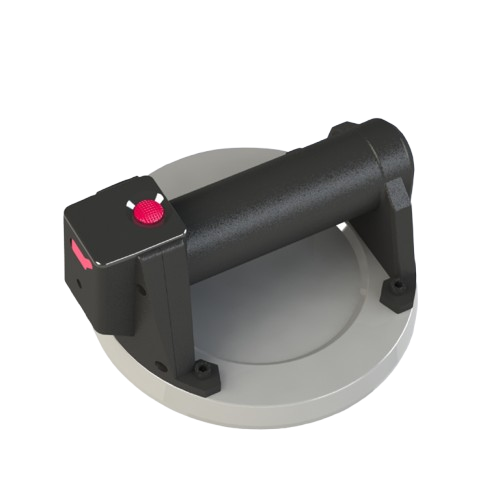
Suction pads must spread load evenly and limit damage if one pad fails. Products like theYG2007 MINI strip Electric Vacuum Suction Cupuse compact layouts for narrow glass.
- Anti-slip pad surface
- Easy-to-inspect seals
- Clear pad wear limits
2.3 Power, vacuum redundancy, and alarms
Battery and pump systems should support backup power and automatic alarms before vacuum levels fall to unsafe values.
2.4 Control interface and human factors
Controls must be clear, with large buttons, visible status lights, and simple error messages that any trained worker can understand quickly.
3. 📊 Risk assessment methods for electric glass suction cup operation environments
Structured risk methods help teams plan safe glass lifting jobs by reviewing loads, paths, weather, and worker skills before the first lift.
Sites that follow repeatable risk checks see fewer dropped loads and near misses, especially when handling large facade glass and roof panels.
3.1 eachәр проект алдыннан эш куркынычсызлыгын анализлау (JHA)
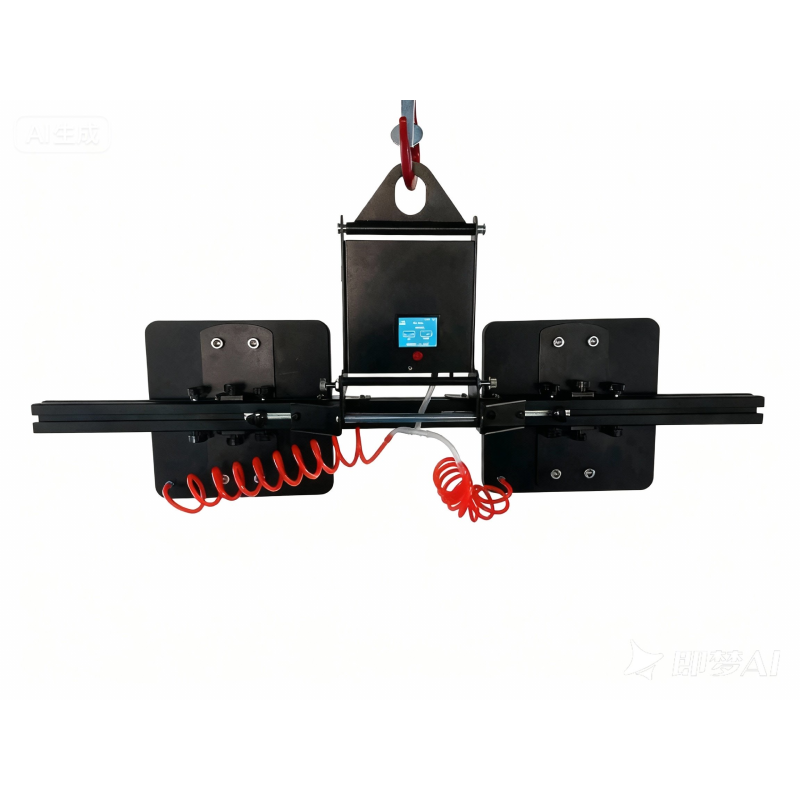
Командалар лифт юлларын, пыяла зурлыгын, җиһазларны карыйларY1689 8инч электр вакуум сорау кубогы, and crane limits in a short meeting.
- Identify hazards
- Set control measures
- Assign clear roles
3.2 Environmental and surface condition checks
Assess wind, rain, dust, and glass cleanliness since these directly affect suction performance and handling stability.
| Factor | Risk | Action |
|---|---|---|
| Wind >8 m/s | Swing, impact | Delay lift |
| Wet glass | Low friction | Dry and recheck |
3.3 Quantitative risk ranking and record keeping
Rate each risk by likelihood and impact, then document lift plans for later review and training updates.
4. 🧪 Standardized testing procedures for electric glass suction cup reliability
Standard tests give buyers clear benchmarks for strength, endurance, and alarm performance under normal and fault conditions.
Reliable testing also supports fair comparison between brands and models, helping engineers specify the right cup for each job.
4.1 Static and dynamic load testing
Apply test loads above rated capacity, hold for set times, and repeat cycles to confirm structural integrity and pad grip.
- Static overload tests
- Йөк астында динамик хәрәкәт
- Пост - визуаль тикшерү
4.2 Вакуум тоту һәм агып чыгу тестлары
Measure vacuum decay over time at set temperatures to define safe working limits and maintenance needs.
| Тест | Duration | Max Loss |
|---|---|---|
| Room temp hold | 30 min | ≤10% |
| Hot surface | 30 min | ≤15% |
4.3 Electrical, battery, and alarm verification
Test low-battery cases, sensor faults, and cable damage to ensure alarms trigger early and in a clear, repeatable way.
5. 📘 Best safety practices and training guidelines for on-site suction cup operators
Practical rules and skills-based training reduce human error, the most common cause of dropped glass during lifting tasks.
Operators must understand both the equipment and the environment so they can spot problems early and stop unsafe lifts.
5.1 Pre-use inspection and start-up routine
Workers follow a short checklist before every shift to confirm pads, seals, hoses, power, and alarms are ready.
- Check pad wear and cracks
- Inspect hoses and cables
- Test alarm and release
5.2 Куркынычсыз күтәрү, сәяхәт һәм урнаштыру техникасы
Training should cover slow lifts, tag line use, clear signals with crane operators, and step-by-step placement methods.
5.3 Даими күнегүләр, күнегүләр, күзәтчелек
Sites should run refresh sessions, record incidents, and use near-miss data to update rules and toolbox talks.
Йомгаклау
Electric glass suction cup safety depends on strong design rules, clear tests, and disciplined site practice. This white paper outlines key needs for frames, vacuum systems, and alarms.
By adopting unified standards, structured risk assessment, and real operator training, the industry can cut accidents, protect workers, and increase confidence in glass lifting work.
Электр пыяла сорау кубоклары турында еш бирелә торган сораулар
1. Электр пыяла сорау касәләрен ничә тапкыр тикшерергә кирәк?
Inspect before each shift and after any unusual event, such as an impact or power loss. Perform a detailed technical inspection at least every six months or as the manufacturer advises.
2. Бер оператор сорау касәсен дә, кранны да куркынычсыз контрольдә тота аламы?
In most cases, no. Best practice is one trained operator for the suction cup and one for the crane, using clear hand or radio signals between them.
3. Пыяла төшү очракларының иң еш очрый торган сәбәпләре нинди?
Common causes include dirty or wet glass surfaces, worn seals, overloading beyond rated capacity, poor wind assessment, and skipped pre-use inspections or alarm tests.
4. Are battery-powered suction cups safe for outdoor facade work?
Yes, if they meet proper structural and electrical standards, have strong alarms, and operators monitor battery status and wind speed throughout the lift.
5. What documents should be kept for compliance and audits?
Keep equipment manuals, test and certification records, maintenance logs, operator training records, job risk assessments, and any incident or near-miss reports.
Post time: 06-28-2026